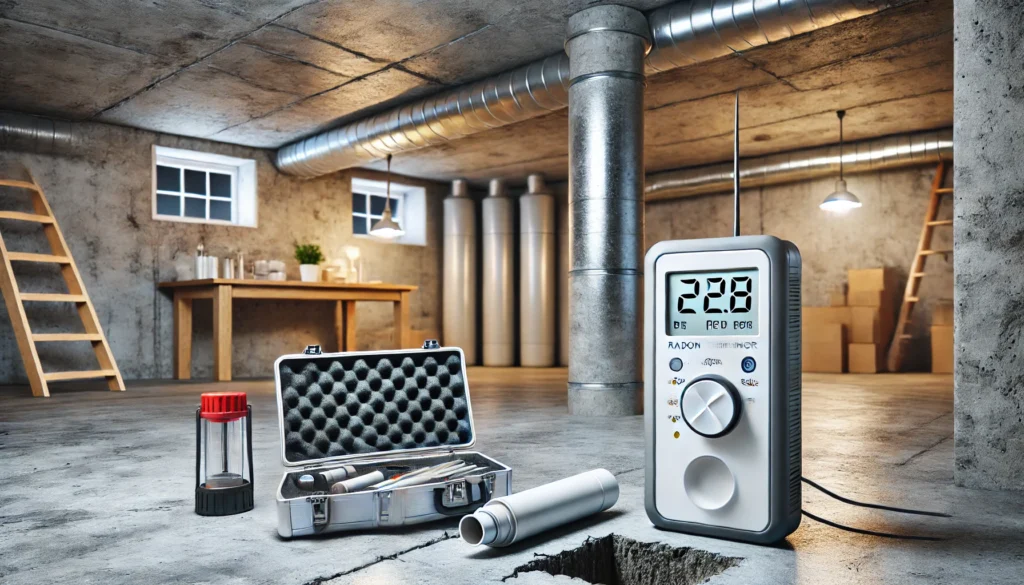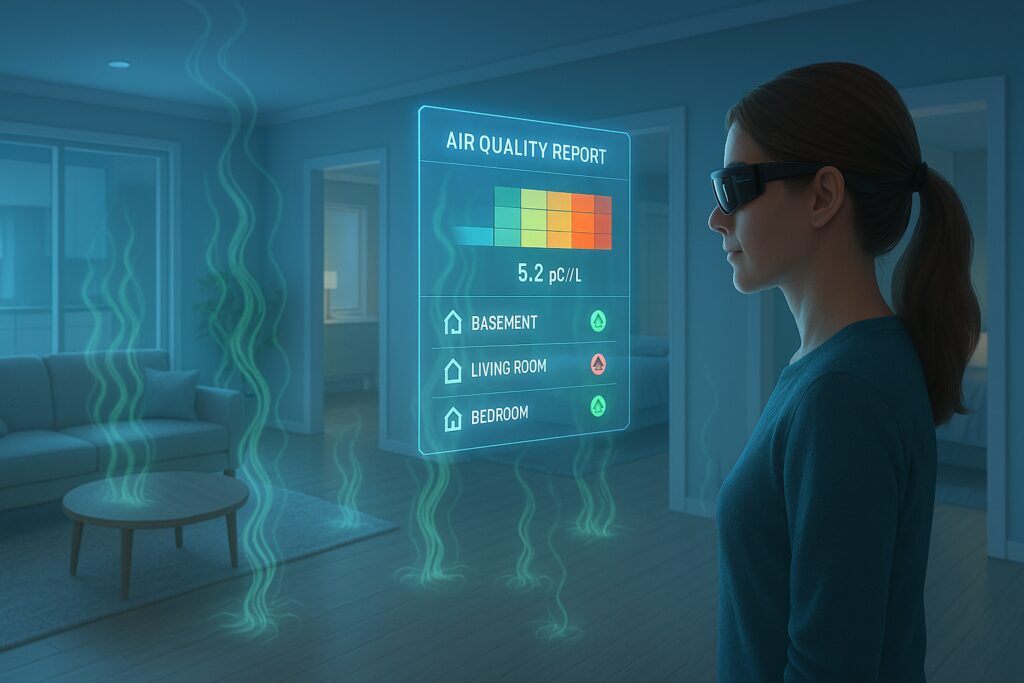
Consider this scenario: a homeowner in Richmond County tested for radon eight years ago. The result was 5.6 pCi/L (picocuries per liter, the standard unit for radon measurement), above the EPA action level of 4.0 pCi/L. He meant to get it mitigated. Life got busy. He filed the test result in a drawer and forgot about it.
Eight years at 5.6 pCi/L. According to the EPA’s own risk models, that exposure level carries roughly the same lung cancer risk as smoking ten cigarettes per day. He does not smoke. He runs three miles every morning. He has no idea that his biggest health risk is the air in his own home.
Now he is ready to sell the house, and his agent tells him the buyer will almost certainly request a radon test. He is looking at either disclosing an eight-year-old elevated result or testing again and hoping the number went down. Either way, the mitigation he could have done for $1,200 eight years ago is now a negotiation liability.
The Health Cost of Waiting
Radon is the second leading cause of lung cancer in the United States, behind smoking. The EPA estimates that radon causes approximately 21,000 lung cancer deaths annually. Unlike smoking, radon exposure produces no symptoms — no coughing, no burning sensation, no discomfort of any kind until disease develops, often 15 to 25 years after exposure begins.
The CDC states clearly that the risk of lung cancer from radon can be reduced by testing and taking action when levels are elevated. The EPA publishes a radon risk comparison chart that quantifies the relationship between concentration, duration, and cancer risk:
- At 4.0 pCi/L: approximately 7 out of 1,000 non-smokers will develop lung cancer from radon exposure over a lifetime
- At 8.0 pCi/L: approximately 15 out of 1,000 non-smokers
- At 20 pCi/L: approximately 36 out of 1,000 non-smokers
Each year without mitigation is another year of elevated exposure that cannot be recovered. The consequences are statistical and delayed, which makes them easy to deprioritize — right up until they are not.
The Financial Cost at Sale Time
Radon has increasingly become a standard part of real estate due diligence. In many markets, including the CSRA, informed buyers and their agents include radon testing alongside the standard home inspection. The following illustrates how an elevated result affects a transaction:
Negotiation Leverage Shifts to the Buyer
A radon test result above 4.0 pCi/L gives the buyer a documented, quantifiable issue to negotiate around. Common outcomes:
- Buyer requests seller-funded mitigation before closing. The seller pays for a mitigation system ($800 to $1,500 typically) and a post-mitigation test. This adds two to three weeks to the closing timeline.
- Buyer requests a price credit. The seller reduces the price by the estimated cost of mitigation. The buyer handles installation after closing.
- Buyer walks away. Some buyers, particularly those with young children, will not proceed with a home that has a known radon issue, even if mitigation is offered. The seller loses the deal and must re-list with a material fact requiring disclosure.
Disclosure Obligations
Once a homeowner has tested and found elevated radon, general disclosure requirements obligate them to share that information with prospective buyers. Georgia does not have a radon-specific disclosure law, but the general duty to disclose known material defects applies. If a homeowner tested, received an elevated result, and did not mitigate, future buyers and their agents will want to know why.
Proactive vs. Reactive: Two Different Positions
A seller who mitigates before listing can market the home with a clean radon test result. “Radon mitigation system installed, tested at 1.4 pCi/L” is a selling point, not a liability. It demonstrates that the homeowner identified a concern and addressed it, which is exactly what informed buyers want to see.
A seller who discovers elevated radon during the buyer’s inspection is in a defensive position, reacting to a problem rather than having already resolved it.
The Cost of Mitigation vs. The Cost of Doing Nothing
Consider the actual numbers:
- Mitigation system installation: $800 to $1,500 for a standard sub-slab depressurization system in most Augusta-area homes
- Annual operating cost: $50 to $80 in electricity (the fan uses about as much power as a light bulb running continuously)
- System lifespan: 20+ years for the piping; 5 to 10 years for the fan (replacement cost: $150 to $300)
- Total 10-year cost of mitigation: approximately $1,500 to $2,500
Compare that to the costs of inaction:
- Health cost: increased lifetime lung cancer risk that cannot be reduced retroactively
- Sale price impact: a home with an unmitigated elevated radon result will sell for less — by at least the cost of mitigation — or will not sell at all to certain buyers
- A properly installed system as a selling feature: documentation showing the home was tested, the issue was addressed, and the system is verified and functioning is a selling advantage, not a liability
Why People Wait
Radon procrastination is remarkably common, and the reasons are understandable even if they are not rational:
- No symptoms. Radon produces no immediate discomfort. Unlike a leaky roof or a broken furnace, it does not demand attention. The consequences are statistical and delayed, which makes them easy to deprioritize.
- Cost perception. Some homeowners assume mitigation is expensive. It is not. It costs less than most appliance replacements.
- “Maybe it will go down.” Radon levels do fluctuate seasonally, but a home with elevated levels generally stays elevated. A retest might show 4.8 instead of 5.6, but it is unlikely to drop below the action level on its own.
- “I will do it before I sell.” This works if the timing is right. It also means the family absorbs the exposure in the meantime, and it leaves the seller in a reactive position rather than a proactive one at closing.
What to Do
If you have tested above 4.0 pCi/L and have not mitigated, the next step is to get quotes from certified mitigation contractors. Installation takes less than a day, the cost is modest, and the system starts reducing exposure immediately.
If you have never tested, the first step is a professional radon test. A 48-hour continuous radon monitor test gives you definitive data. A decision about a problem that has not been measured cannot be made with any confidence.
If you are planning to sell in the next few years, testing and mitigating now puts you in a stronger position at closing than waiting to address the issue reactively during the buyer’s inspection period.
Contact EnviroPro 360 to schedule radon testing for your Augusta-area home and get results that give you the information you need to act.