If you have tested your home for radon once, that is a meaningful step. But radon levels are not fixed. They change over time, sometimes significantly, due to shifts in the structure of the home, modifications to the HVAC system, and changes in the soil beneath the foundation. A result from several years ago does not tell you what is in your air today.
This post covers how often to retest, what circumstances call for immediate retesting, and why homes in the Augusta and CSRA region face specific retesting considerations.
Why Radon Levels Change Over Time
Radon enters a home through pathways between the soil and the interior: foundation cracks, sump pits, crawl space gaps, utility penetrations, and construction joints. These pathways are not static. As a home settles over years, new cracks form in slabs and foundation walls. Renovation work opens walls and floors, creates new penetrations, and can alter how air moves through the structure.
HVAC changes also matter. Replacing a system, rebalancing ductwork, or converting from a vented crawl space to a conditioned crawl space all affect how air is distributed and exhausted. Any of these changes can shift radon behavior in ways that a previous test would not reflect.
Beyond structural changes, seasonal pressure variations affect how much radon enters through the foundation. Homes in the CSRA tend to run their HVAC systems for extended periods due to the region’s long warm seasons. Continuous mechanical ventilation patterns influence stack effect and, in turn, how radon accumulates.
The Standard Retesting Schedule
According to the EPA, homeowners who have tested below the action level of 4.0 pCi/L should retest every two years. This schedule accounts for the kinds of gradual changes that accumulate over time without triggering an obvious reason to retest sooner.
Testing should happen sooner than the two-year interval in specific situations:
- After any renovation that opened the foundation, slab, or crawl space
- After installing new insulation, weatherproofing, or air sealing that reduces natural air exchange
- After replacing or significantly modifying an HVAC system
- When buying or selling the home
- When converting unfinished basement space into living or sleeping space
Retesting After a Mitigation System Is Installed
Homes with radon mitigation systems require their own retesting schedule. After a mitigation system is installed, the EPA recommends testing within 30 days to confirm the system is performing as expected. Because mitigation systems use fans and ductwork that can be affected by normal wear, clogging, or fan failure, retesting every two years confirms the system is still functioning.
A mitigation system that is no longer working correctly will not announce itself. Radon levels can climb back toward previous readings without any visual sign that the system has failed. Regular retesting is the only verification that the system is still doing its job.
Seasonal Testing Considerations in the CSRA
Radon levels are not uniform across seasons. They tend to be higher in colder months when homes are sealed tightly and the stack effect draws more soil gas through the foundation. Testing during winter provides a clearer picture of peak-year exposure. Testing only in summer may underrepresent actual risk.
For homeowners in Augusta and surrounding areas, this means the best time to schedule a long-term test is during the fall-to-winter transition, when closed conditions more accurately represent how the home operates for most of the year.
According to the CDC, there is no known safe level of radon exposure, and long-term exposure at levels well below the EPA action threshold still carries cumulative lung cancer risk. Regular testing is the only way to track how your home’s radon level changes over time and whether action is warranted.
DIY Kits Versus Professional Testing
Short-term test kits from hardware stores can provide a general indication of radon levels and are a reasonable starting point. They are less useful for post-mitigation confirmation, real estate transactions, or situations where accurate long-term data is needed.
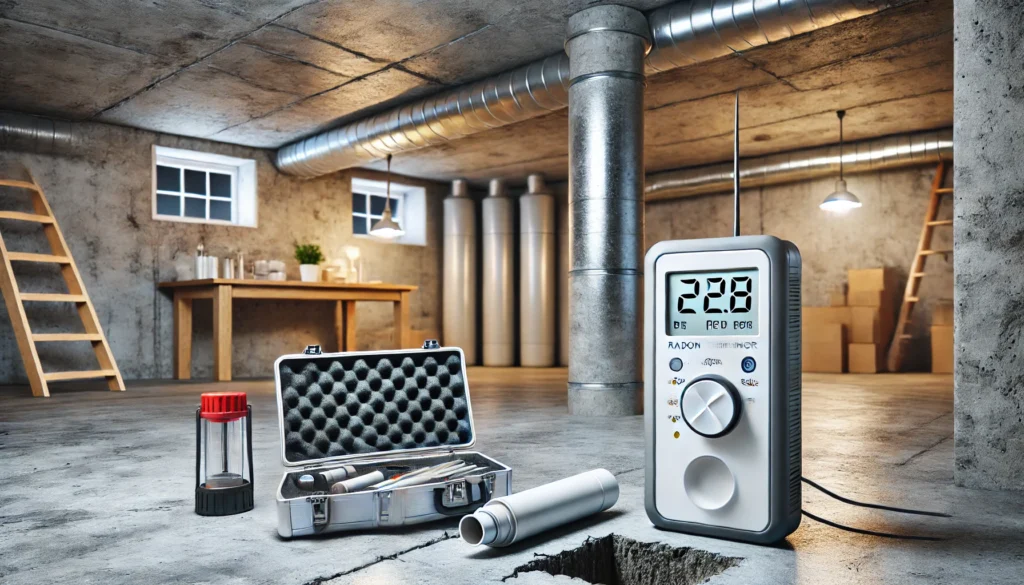
Professional testing using continuous electronic radon monitors provides more precise readings and generates certified documentation. This is particularly important during real estate transactions, where buyers and sellers both benefit from defensible, independently verified data.
EnviroPro 360 provides certified radon testing for homeowners and real estate clients throughout Augusta, Evans, Martinez, Grovetown, North Augusta, Aiken, and surrounding communities in Georgia and South Carolina. Whether you are due for a routine retest, have made changes to your home, or are buying or selling a property, contact us to schedule testing and get accurate results.