Radon is responsible for approximately 21,000 lung cancer deaths in the United States annually, yet most people who have elevated radon levels in their homes have no idea. That is because radon exposure does not produce immediate symptoms. The gas itself does not cause coughing, burning, or any sensation that something is wrong. The health damage accumulates silently over years and decades, making it one of the most underestimated environmental health hazards in residential settings.
Why Radon Does Not Produce Immediate Symptoms
Radon is a radioactive gas produced by the natural decay of uranium in soil and rock beneath homes. When it seeps indoors and concentrations build up, radon and its decay products are inhaled into the lungs. Once there, they emit alpha radiation that damages lung tissue at the cellular level. This process is ongoing but slow, and the cellular damage that results in lung cancer typically takes 15 to 25 years to manifest as detectable disease.
There is no radon smell, no radon rash, no acute warning sign. Unlike carbon monoxide, which can cause symptoms within hours at high concentrations, radon exposure leaves no fingerprint until the long-term damage has already accumulated. A person living in a home with radon levels of 8.0 pCi/L for fifteen years may feel completely healthy right up until lung cancer is already established.
Symptoms That Develop After Long-Term Radon Exposure
The Centers for Disease Control and Prevention identifies radon as the second leading cause of lung cancer in the United States. The symptoms associated with radon exposure are the symptoms of lung cancer, because radon-related illness is lung cancer. These symptoms typically include:
- Persistent cough that does not resolve or worsens over time
- Shortness of breath with activities that previously caused no difficulty
- Chest pain that may worsen with breathing, coughing, or swallowing
- Hoarseness or unexplained changes in the voice
- Coughing up blood, even in small amounts
- Recurring respiratory infections such as pneumonia or bronchitis that keep returning despite treatment
- Unexplained fatigue and weight loss in later stages of disease
If you or a family member experience any of these symptoms, consult a physician and mention the possibility of radon exposure in your home history — particularly if the home was never tested or if you spent many years in a basement or ground-floor living space.
Who Faces the Highest Risk
The Environmental Protection Agency quantifies radon risk based on concentration and duration of exposure. The individuals at greatest risk are:
- Smokers: The combination of smoking and radon exposure creates substantially higher lung cancer risk than either factor alone. The EPA estimates that smokers living at 4.0 pCi/L face approximately 62 out of 1,000 lifetime lung cancer deaths from radon, compared to 7 out of 1,000 for non-smokers at the same concentration.
- Children: Children have developing lungs and higher respiratory rates relative to body size, meaning they inhale more air volume per pound of body weight than adults. Elevated radon exposure during childhood carries meaningful long-term risk that manifests decades later.
- Long-term residents: Risk accumulates with time. Twenty years in a home with elevated radon represents far greater cumulative exposure than two years in the same home. People who have lived in the same residence for many years without testing should treat that as a specific reason to test now.
Why Testing Is the Only Meaningful Response
Because radon produces no immediate symptoms, waiting to feel ill before addressing it is not a viable strategy. By the time symptoms of radon-related lung cancer appear, the exposure responsible for the disease occurred years or decades earlier. The only way to interrupt this progression is to test your home now and, if levels are elevated, reduce the radon concentration before cumulative exposure reaches dangerous levels.
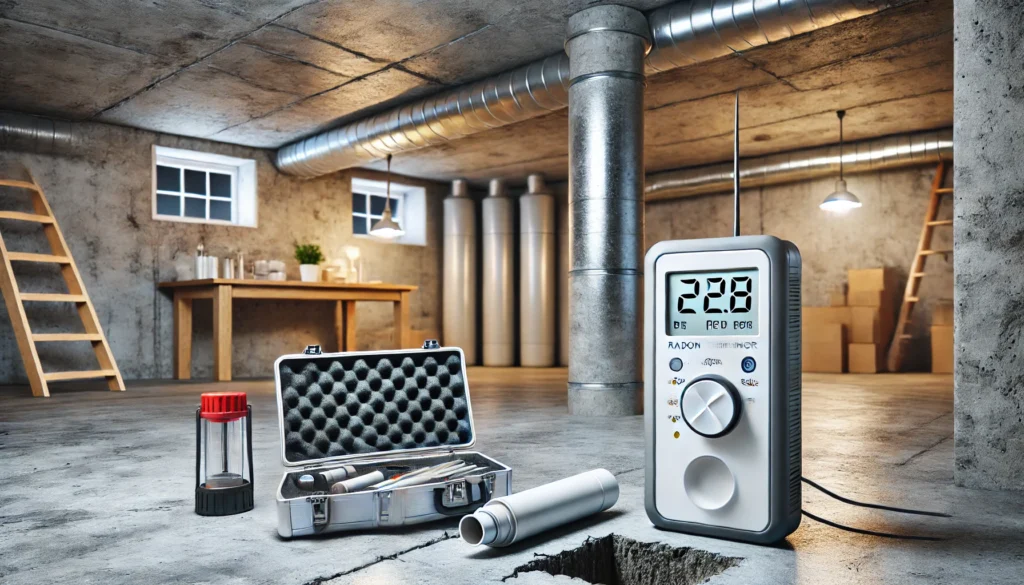
The EPA recommends that every home below the third floor be tested for radon. The action level is 4.0 pCi/L. A professional radon test places a calibrated monitor in the lowest livable level of your home, maintains closed-building conditions to ensure an accurate reading, and produces a result that tells you exactly where you stand. If levels are at or above 4.0 pCi/L, a certified mitigation contractor can install a system that reduces radon concentration by 80% to 99% in most homes.
Schedule a Radon Test in Augusta or the CSRA
EnviroPro 360 provides professional radon testing for homeowners throughout Augusta, Evans, Martinez, Grovetown, North Augusta, Aiken, and the broader CSRA. Testing results are provided with a plain-language explanation of what the number means and what the EPA action level indicates about next steps.
Do not wait for symptoms that may not arrive until significant damage has already occurred. Contact EnviroPro 360 to schedule a professional radon test and know the air quality in your home.