EnviroPro 360

Asbestos Testing and Detection

Asbestos testing and detection services in Georgia and South Carolina. Learn how professional asbestos inspections protect your home and health.

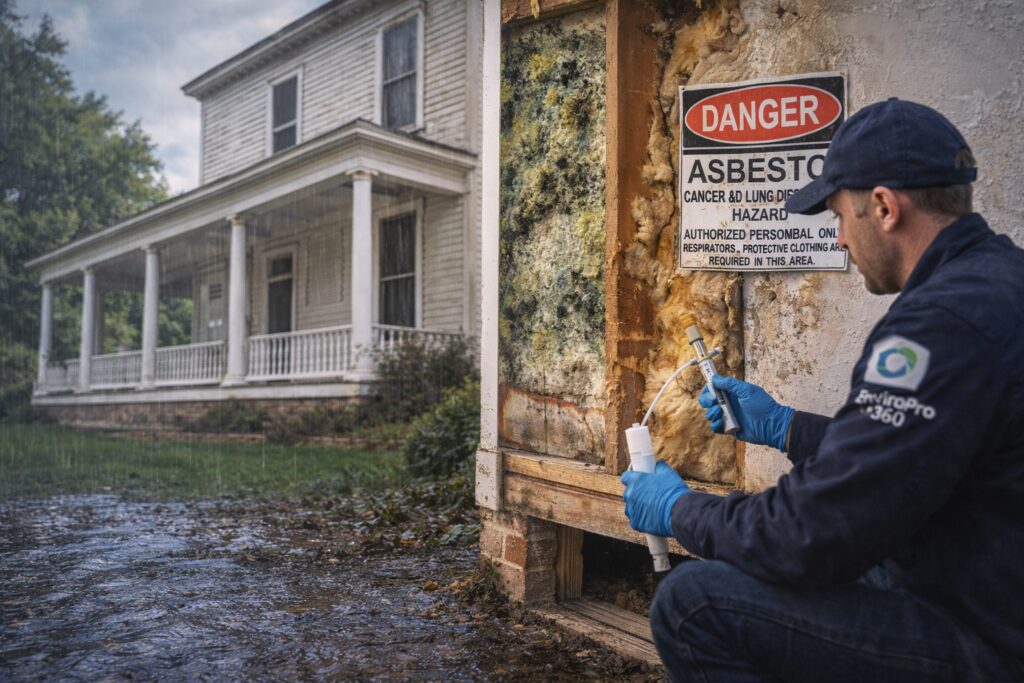
Historic homes are full of charm—but they may also hide mold and asbestos. Before you buy or renovate, here’s why expert testing matters more than ever.

When Old Homes Hide New Hazards: Why Pre-1940s Properties Need Mo …

Augusta and the CSRA are full of pre-1940s homes with wide porches, original hardwoods, and the kind of architectural character that newer construction rarely matches. But those same homes were built before modern safety regulations existed. Asbestos was a standard construction material, moisture barriers were not required, and ventilation standards were decades away from being

When Old Homes Hide New Hazards: Why Pre-1940s Properties Need Mo … Read More »

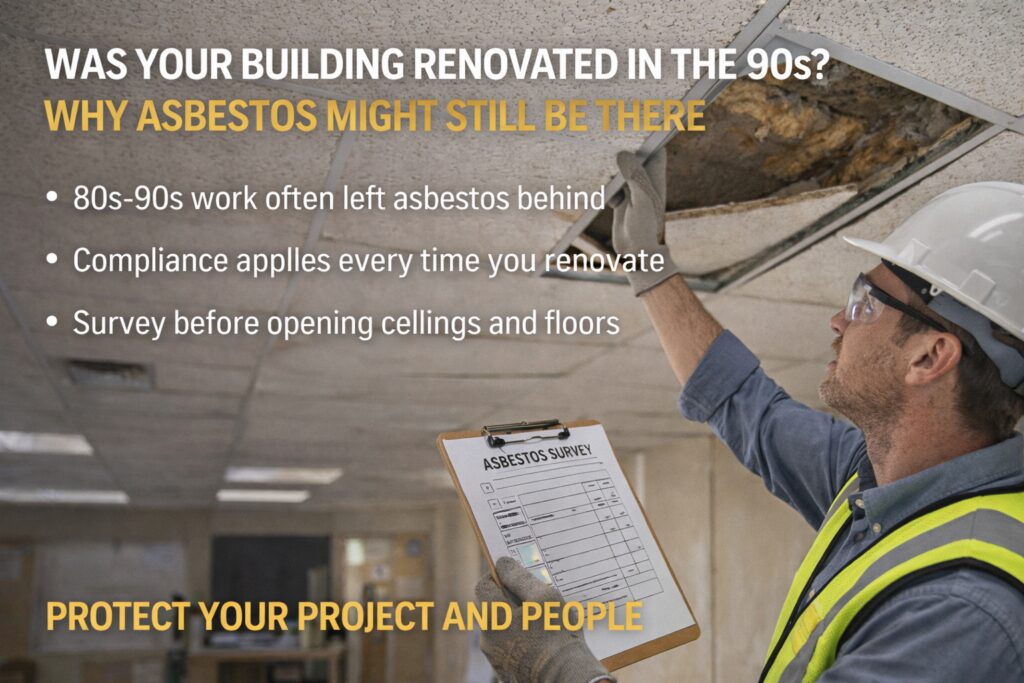
Renovated ≠ asbestos-free. 80s–90s projects often encapsulated asbestos instead of removing it. Here’s where it still hides, what triggers testing today, and how EnviroPro 360 keeps GA & SC properties compliant

Was Your Building Renovated in the 90s? Why Asbestos Might Still …

The 90s remodel myth: “We already took care of asbestos.” A lot of commercial and institutional properties across Georgia and South Carolina got facelifts in the late 80s and 90s—new ceilings, carpet over tile, mechanical upgrades. But many of those projects encapsulated asbestos-containing materials (ACM) rather than removing them, because leaving intact ACM and sealing

Was Your Building Renovated in the 90s? Why Asbestos Might Still … Read More »

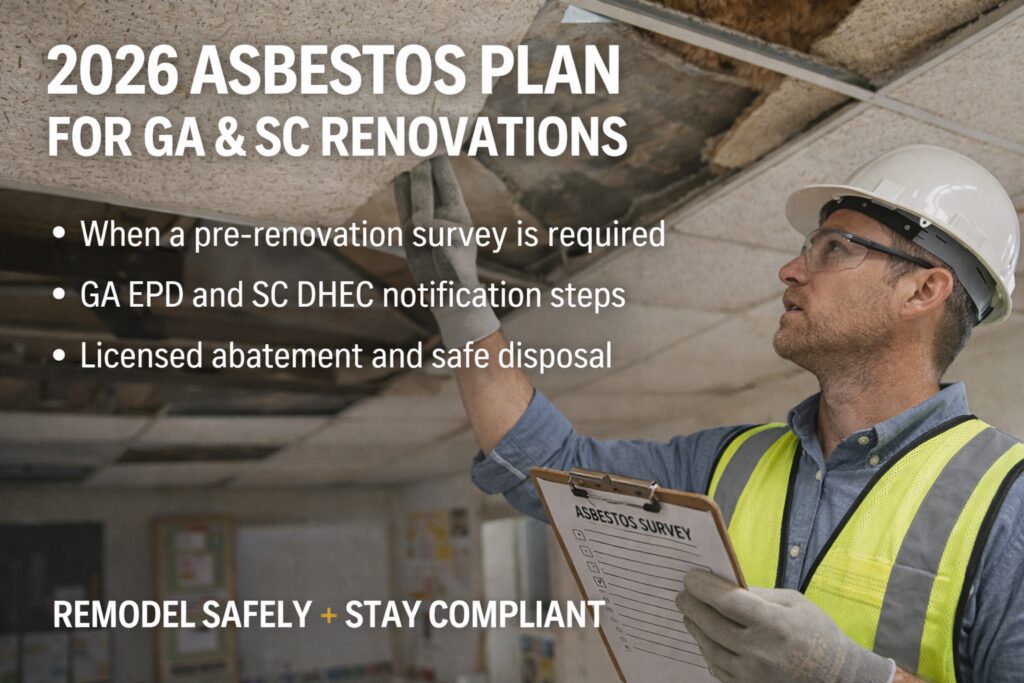
Winter fit-outs move fast. Use this step-by-step plan to meet asbestos survey, notification, and work-practice rules in Georgia and South Carolina—before demo or renovation starts.

Your NESHAP-Ready Asbestos Plan for Renovations in Georgia and So …

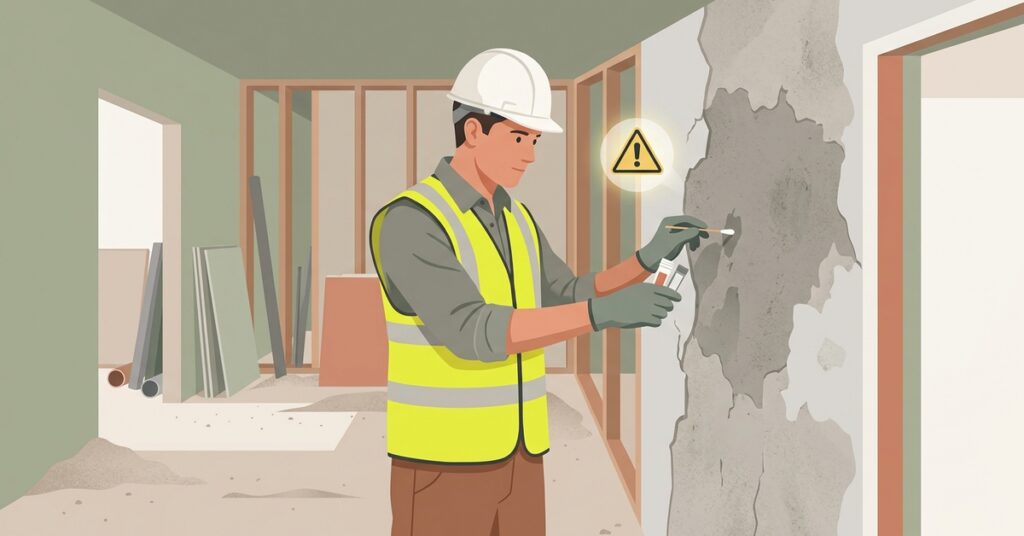
EPA’s Asbestos NESHAP sets work practices that must be followed during demolition and renovation of facilities — institutional, commercial, industrial, public, and most multi-unit residential buildings. There is a limited exemption for residential buildings of four or fewer dwelling units, but that exemption has edges that trip up project managers regularly. If you’re planning a

Your NESHAP-Ready Asbestos Plan for Renovations in Georgia and So … Read More »

Before any demo or renovation, a certified asbestos survey is required. Use this practical checklist to plan, notify, and document work in Georgia and South Carolina.

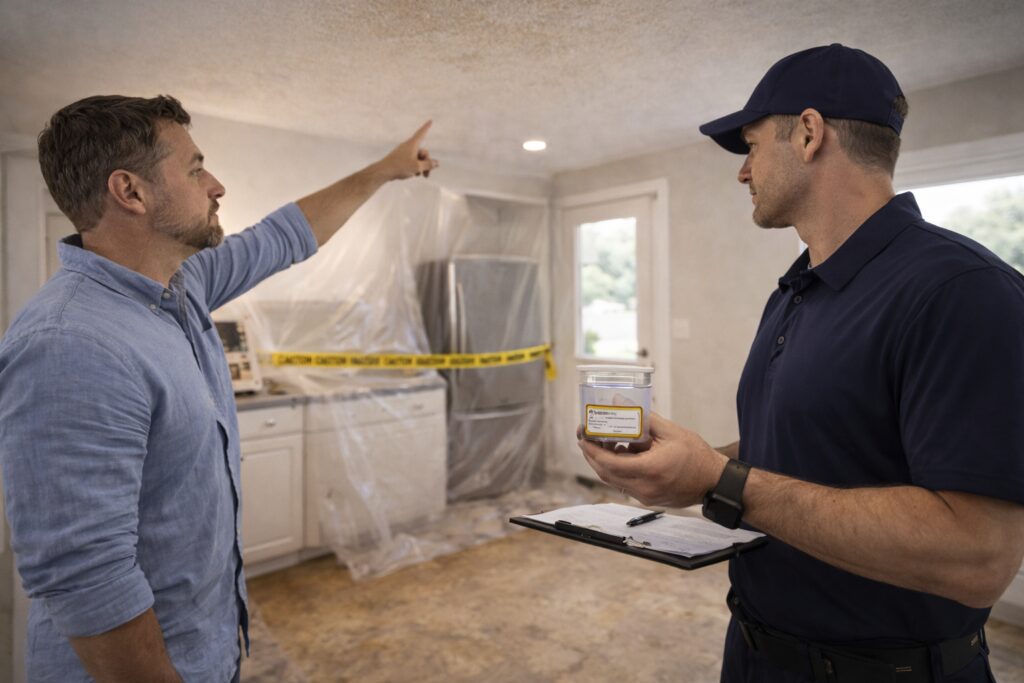
Pre-Renovation Asbestos Survey Checklist for Property Managers in …

A property manager in Augusta schedules a contractor to renovate three units in a 1968 apartment building. The contractor starts demoing the bathroom tile on day one. On day two, the property manager gets a call — the material contains asbestos. The contractor walks off the job. The units are contaminated. Tenants can’t return. State

Pre-Renovation Asbestos Survey Checklist for Property Managers in … Read More »

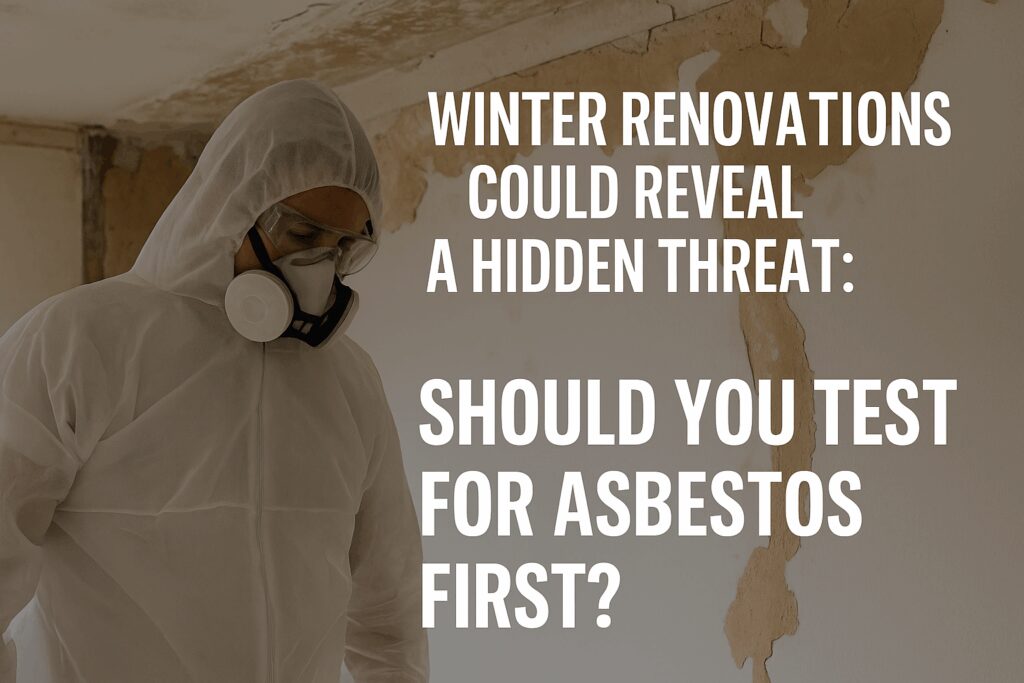
Winter is prime time for indoor renovations—but don’t start ripping out walls just yet. Learn why asbestos testing should be your first step before any remodeling project begins.

Winter Renovations Could Reveal a Hidden Threat: Should You Test …

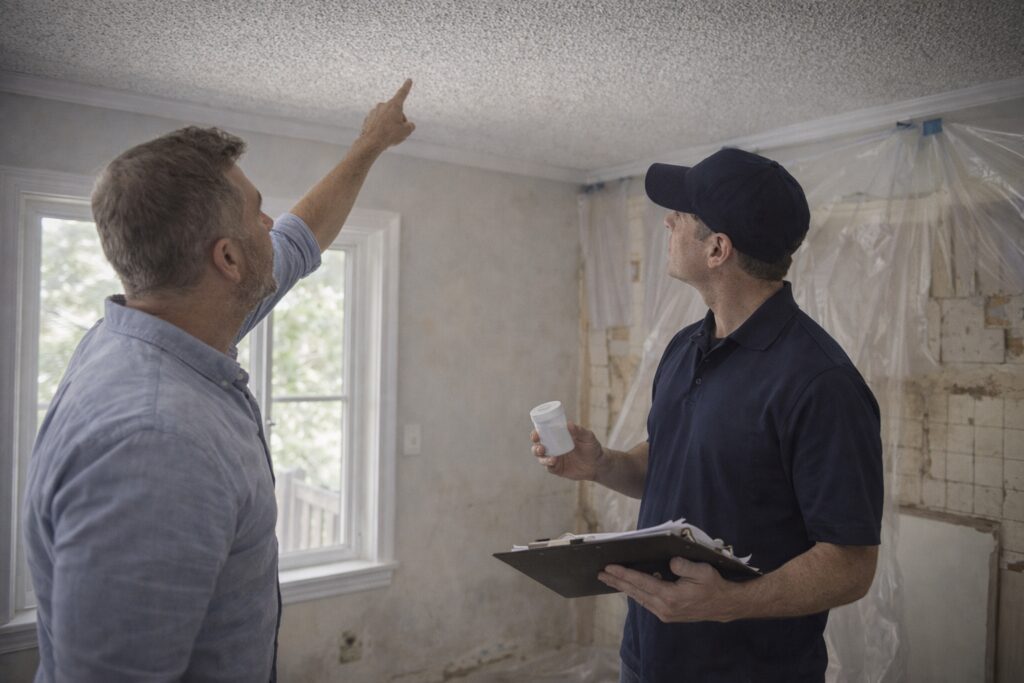
Winter is when indoor renovation work picks up in Augusta and the CSRA. Outdoor projects wind down, attention shifts inside, and contractors fill their schedules with flooring replacements, basement builds, HVAC upgrades, and ceiling work. Many of those projects happen in homes and commercial buildings constructed before 1985, which means asbestos-containing materials are likely present

Winter Renovations Could Reveal a Hidden Threat: Should You Test … Read More »

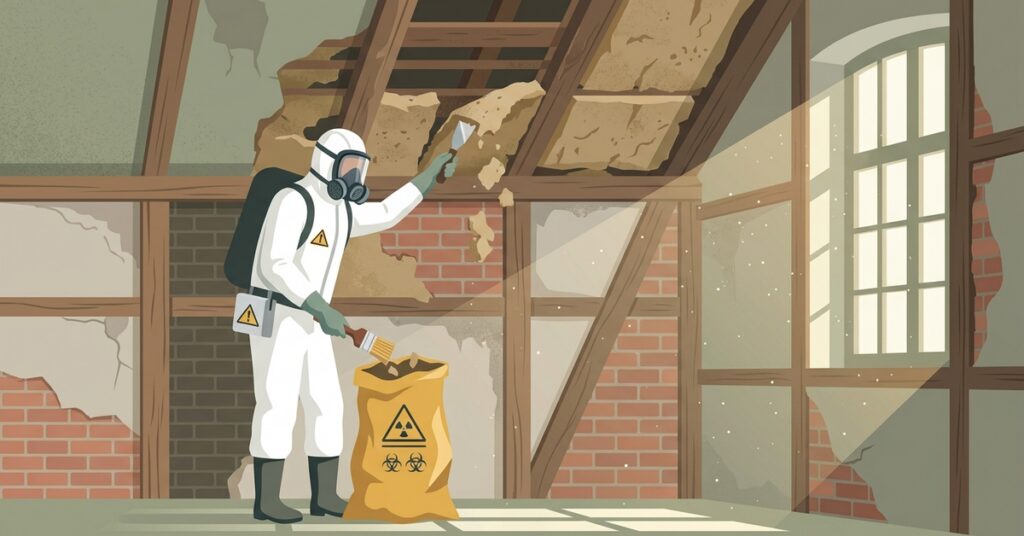
If your property was built before 1980, that “old insulation” could be asbestos. Learn how to recognize the warning signs and protect your building from hidden health risks.

The Hidden Health Risks of Old Insulation

Most asbestos exposure in commercial buildings doesn’t happen during formal demolition projects. It happens during routine maintenance — a plumber cutting into insulated pipe, an HVAC technician repositioning ductwork, a contractor removing a ceiling tile. The asbestos was already there, often in plain sight, and no one thought to question it. If you manage or

The Hidden Health Risks of Old Insulation Read More »

Asbestos Exposure Symptoms: What to Watch For

Asbestos-related diseases are unusual in one critical way: the symptoms often do not appear until 20 to 50 years after initial exposure. Someone who worked around asbestos-containing materials in the 1970s or 1980s may only now be developing signs of disease. Understanding what symptoms to watch for — and knowing which conditions they indicate —

Asbestos Exposure Symptoms: What to Watch For Read More »

Asbestos in Your Home: Identifying Common Sources

If your home was built before 1980, there is a reasonable chance that asbestos-containing materials are somewhere in it. That is not cause for immediate alarm — asbestos that is intact and undisturbed generally does not release fibers at harmful levels. The risk comes when those materials are cut, drilled, sanded, broken, or removed, as

Asbestos in Your Home: Identifying Common Sources Read More »

Popcorn Ceilings and Asbestos: What Homeowners Need to Know

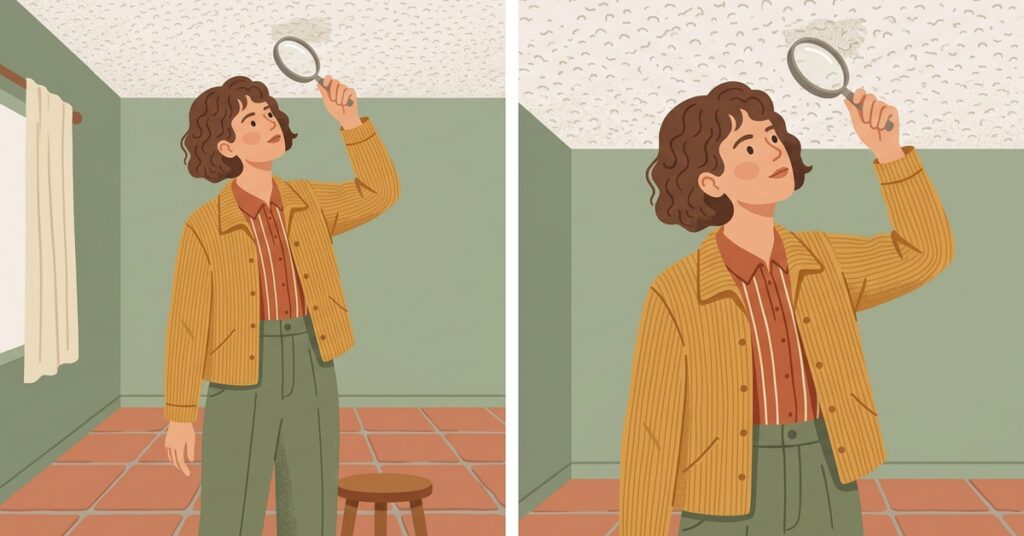
If your home has a popcorn ceiling, you’ve probably wondered: “Could this stuff have asbestos in it?” It’s a smart question — and one we hear regularly from homeowners across Georgia and South Carolina. Popcorn ceilings were incredibly popular through the mid-1900s, but many were made with asbestos before the health risks were widely understood.

Popcorn Ceilings and Asbestos: What Homeowners Need to Know Read More »

Scroll to Top