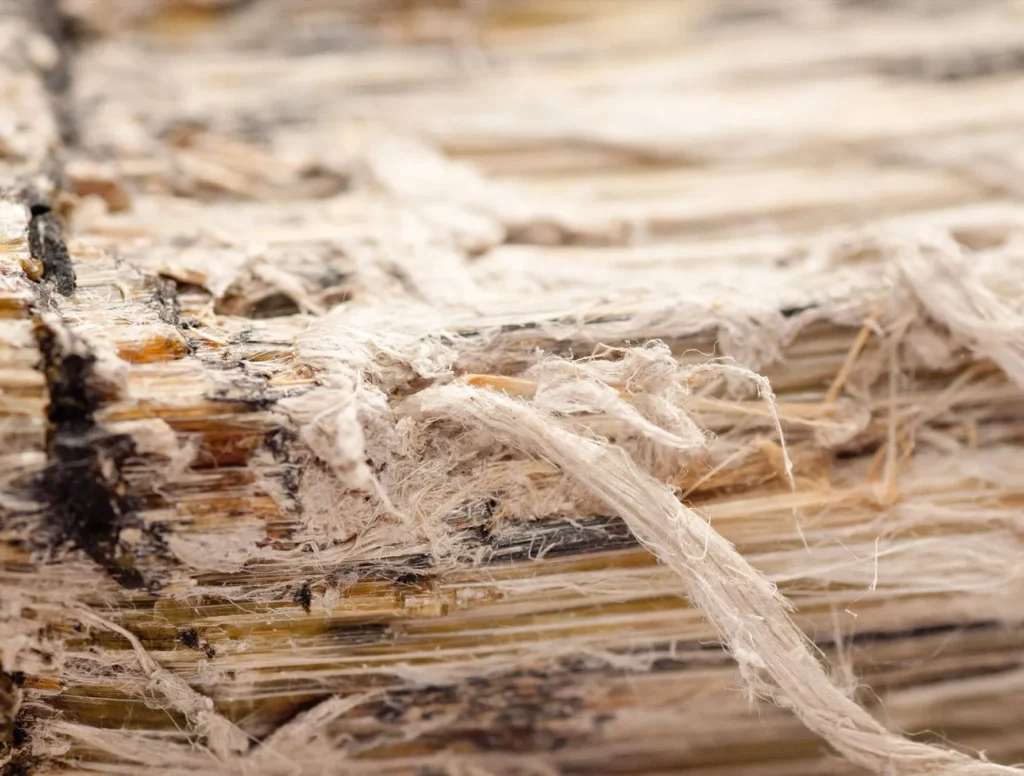
Most homeowners who find out their home may contain asbestos go through the same sequence: surprise, concern, then uncertainty about what to actually do next. The good news is that finding asbestos in your home does not mean your renovation is cancelled or your family is in immediate danger. It means you need accurate information before you proceed — which is exactly what testing provides.
This post is written for homeowners specifically: when to test, how to prepare, what the process involves from your perspective, what to do with the results, and how asbestos affects home buying, selling, and renting. For the technical details of how laboratory analysis works, see our post on how asbestos testing works step by step. For a full guide to where asbestos is commonly found in homes, see our post on identifying common asbestos sources in homes.
When testing is worth doing — and when it is not
Not every home built before 1980 needs an asbestos inspection right now. The guiding principle is disturbance: asbestos-containing materials that are intact, in good condition, and will not be touched do not pose a significant day-to-day risk. The risk comes when those materials are cut, drilled, sanded, scraped, or broken.
Testing is strongly recommended before:
- Any renovation that will disturb walls, ceilings, or floors in a pre-1980 home — including flooring replacement, ceiling texture removal, bathroom or kitchen remodels, and window replacements
- HVAC or plumbing work that will disturb ductwork, pipe insulation, or mechanical chases
- Attic work including adding insulation, running cables, or installing recessed lighting
- Partial or full demolition of any structure built before 1980
- Buying a pre-1980 home where you plan to renovate — testing before you close gives you accurate information before you are committed
Testing is worth considering even without immediate renovation if:
- You notice damaged or crumbling insulation around basement pipes
- Old floor tiles are cracking, lifting, or coming loose on their own
- A previous owner did partial renovations without documentation of asbestos testing
- You are preparing to sell and want to understand what a buyer’s inspector might flag
Testing is generally not urgent if:
- You are not planning any renovation and materials are in good, intact condition
- Your home was built after 1990 — asbestos use in residential construction was largely phased out by then
The single most important rule before testing
Do not disturb suspect materials before the inspector arrives. This means no scraping, sanding, drilling, cutting, or pulling apart of anything you think might contain asbestos. Do not sweep debris or vacuum it with a household vacuum — standard vacuums recirculate fine particles rather than capturing them, and asbestos fibers are small enough to pass straight through standard filters.
If you have already disturbed a suspect material — pulled up a tile that crumbled, scraped a ceiling, broken into pipe insulation — stop the work and close off the area. Limit movement through the space to reduce fiber spread. Contact a licensed inspector to assess the situation before resuming any activity in that area. What feels like a minor disturbance can release enough fibers to require professional assessment; stopping early is almost always less costly than continuing.
How to prepare for an inspector visit
A professional asbestos inspection typically takes one to three hours for a standard single-family home. You can help the process go smoothly and ensure complete coverage by doing the following before the inspector arrives:
- Make all areas accessible. The inspector needs to reach crawl spaces, attic access points, basement utility areas, and mechanical rooms. If access panels are covered by furniture or storage, clear them before the visit.
- Know your home’s construction history. If you have records of prior renovations, permits, or any previous asbestos testing, have them available. The inspector will review them before sampling.
- Identify which areas your planned project will affect. The more specific you can be about your renovation scope, the more focused the inspector can be about which materials to prioritize. If you know you are replacing the kitchen floor and removing a wall, tell the inspector — they will make sure those specific materials are sampled.
- Plan to be present or have someone available. The inspector will walk through the home with you (or your representative) and explain what they are sampling and why. This is your opportunity to ask questions before results come back.
- Keep pets and children out of areas being sampled. The sampling process is low-risk with proper technique, but limiting foot traffic during and immediately after sampling is prudent.
What happens during the inspection — from the homeowner’s perspective
When the inspector arrives, they will review the age of the home and any renovation records, then walk through all areas to identify materials that match the known profiles of asbestos-containing products. They will note the condition of each suspect material — whether it is intact, damaged, or deteriorating — because condition affects both risk level and what happens after results come back.
Sampling is quick. For each material being tested, the inspector wets a small area, cuts a sample no larger than a coin, seals it immediately in a labeled container, and patches the sampling point with tape or compound. You will not see a large hole or significant disruption. The inspector cleans the sampling area before leaving.
After the visit, samples go to an accredited laboratory. Standard results take 3 to 7 business days. Rush processing — 24 to 48 hours — is available if your project is time-sensitive. The inspector will contact you when results are ready and explain what each finding means for your specific situation and plans.
Understanding your results: three outcomes and what each means
All samples came back negative. The tested materials do not contain asbestos above the regulatory threshold. You can proceed with your renovation. Keep the lab report in your home file — it documents that testing was done and what materials were cleared, which is useful if you sell the home or do future renovations.
Asbestos was found in materials you are not planning to disturb. This is more common than most homeowners expect, and it is not necessarily a problem. Intact, undisturbed asbestos-containing material does not require immediate removal. Your inspector will note the location and condition in their report. The practical guidance is: leave it alone, keep it undamaged, and make sure any future contractors who work in that area know about it before they start. Update the information any time the home changes hands.
Asbestos was found in materials you need to disturb. This is where next steps require a decision. You have two main paths: encapsulation, where the material is sealed in place with a bonding agent to prevent fiber release (appropriate when the material is structurally sound and removal is not necessary); or removal by a licensed abatement contractor, which is required when the material is deteriorating, cannot be left in place, or when renovation requires that it be moved. Your inspector can advise on which approach is appropriate and refer you to licensed abatement contractors. Your renovation can still happen — it just requires an additional step before the general contractor starts work.
Asbestos and home buying: testing before you close
Standard home inspections do not test for asbestos. A general home inspector will note visible suspect materials and recommend further evaluation, but they do not collect samples or provide laboratory analysis. If you are buying a pre-1980 home and you plan to renovate, the due diligence period before closing is the right time to schedule an asbestos inspection.
Testing before closing gives you three practical advantages:
- Accurate renovation budgeting. If asbestos is present in materials you plan to remove, abatement is an additional cost that should be in your renovation budget from the start — not discovered mid-project.
- Negotiating information. A positive asbestos finding in materials that will require abatement is legitimate information to bring back to the seller for price adjustment or credits, depending on what was disclosed and what your purchase agreement allows.
- No surprises after you own it. Discovering asbestos after closing, mid-renovation, with contractors already on-site and a schedule in place is the most disruptive and expensive scenario. Testing before closing eliminates that risk.
Ask your real estate agent about including an asbestos inspection contingency in your offer on any pre-1980 property where you intend to renovate.
Asbestos and home selling: what Georgia and South Carolina require you to disclose
Georgia’s Seller’s Property Disclosure Statement asks sellers to disclose known environmental hazards on the property. If you know asbestos-containing materials are present in your home — because you had it tested, or because a prior inspection documented it — that information is part of your disclosure obligation. Failing to disclose known material defects, including environmental hazards, can expose a seller to post-closing claims from the buyer.
South Carolina has similar disclosure requirements under the South Carolina Residential Property Condition Disclosure Statement.
The practical implication: having your home tested before listing gives you a documented, accurate picture of what is present. You can then address known issues on your own terms — through remediation, price adjustment, or buyer disclosure with documentation — rather than having a buyer’s inspector raise concerns mid-transaction without a clear record of what was found and when.
Sellers who have documentation of prior asbestos testing, even when results were positive and the material was left in place, are in a much stronger position than sellers who have no documentation at all. Known and documented is always preferable to unknown and undisclosed.
Renters and asbestos: who is responsible
If you rent a home or apartment and you are concerned about asbestos in the building, the responsibility for managing known asbestos-containing materials lies with the landlord — not the tenant. Georgia and South Carolina landlords have a legal obligation to maintain rental properties in a habitable condition, which includes managing known environmental hazards.
As a renter, you should:
- Not disturb any materials you suspect may contain asbestos — report damaged or deteriorating insulation or ceiling material to your landlord in writing rather than attempting to fix it yourself
- Request in writing that the landlord inspect and address materials that appear to be deteriorating or damaged
- Document any concerns with photos and written communication to your landlord
- Contact your local health department or Georgia EPD / South Carolina DHEC if you believe your landlord is not addressing a legitimate asbestos hazard in habitable spaces
Tenants do not have the right to commission asbestos testing of a landlord’s property without permission, but they do have the right to a safe living environment and to information about known hazards in their home.
Talking to your contractor about asbestos testing
Many homeowners assume their contractor will handle asbestos concerns automatically. Some will — but many general contractors are not licensed for asbestos work and may not know to stop if they encounter suspect materials mid-project. The result can be an accidental disturbance that turns a straightforward renovation into a contamination event.
Before any contractor starts work in a pre-1980 home, ask directly: has asbestos testing been done for the materials you will be disturbing? If the answer is no, make testing a precondition for starting work. A contractor who pushes back on that request is not someone you want doing renovation work in your home.
Under OSHA 1926.1101, contractors are required to treat pre-1981 thermal system insulation and surfacing materials as presumed asbestos-containing unless testing demonstrates otherwise. The obligation to know what they are working near falls on the contractor — but as a homeowner, ensuring testing is done before work begins protects you as well.
Homes in Augusta and the CSRA
The Augusta area and surrounding CSRA communities — Evans, Martinez, North Augusta, Aiken, Grovetown — include a significant number of homes built during the peak asbestos-use decades. Established neighbourhoods in Augusta itself, particularly Summerville, Walton Way, and older areas near downtown, have substantial housing stock from the 1950s through the 1970s where asbestos-containing materials are commonly found.
Homeowners in these areas who are planning renovations, buying older properties, or managing aging housing stock benefit from having a local testing provider who knows both Georgia EPD and South Carolina DHEC requirements and can turn results around quickly for active projects.
FAQ
How much does a residential asbestos inspection cost in Georgia or South Carolina?
A professional residential asbestos inspection including bulk material sampling typically ranges from $300 to $800 depending on the size of the home and the number of suspect materials. Laboratory analysis is included in most inspectors’ fees. Rush processing adds $30 to $60 per sample if you need results faster than the standard 3 to 7 business day turnaround.
I already pulled up some old floor tile before I knew it might contain asbestos. What should I do?
Stop work in that area immediately. Do not sweep or vacuum the debris with a regular household vacuum. Limit foot traffic through the space. Contact a licensed asbestos inspector to assess the situation — they can evaluate whether air testing is warranted and advise on whether professional cleanup is needed before you resume work. The sooner you stop and get an assessment, the more contained the situation is likely to be.
My home was built in 1982. Does it need asbestos testing before renovation?
Homes built after 1980 carry significantly lower risk than pre-1980 construction, but some asbestos-containing products remained in use into the early 1980s as manufacturers worked through existing inventory. For routine renovations in a 1982 home, formal asbestos testing is not usually required, but if you encounter materials that match the visual profile of older asbestos-containing products — particularly 9×9 floor tile or corrugated pipe insulation — having them tested before disturbing them is a low-cost precaution.
Can I stay in my home while asbestos testing is being done?
Yes. Professional bulk sampling is a low-disturbance process — each sample is collected with wet methods and the area is patched and cleaned before the inspector moves on. You do not need to vacate during a standard inspection. If abatement work is required after testing, your abatement contractor will advise on whether occupancy restrictions apply during the project, which depends on the scope and location of work.
Does homeowner’s insurance cover asbestos testing or removal?
Standard homeowner’s insurance policies generally exclude environmental hazards including asbestos under pollution exclusions. Some policies cover asbestos removal when the disturbance results from a covered peril such as fire or storm damage — check your policy language directly. Testing costs are typically out of pocket. Factor them into your renovation budget from the start rather than treating them as an unexpected expense.
My home inspector mentioned possible asbestos but did not test. What should I do?
A general home inspector typically flags suspect materials and recommends further evaluation — they do not collect samples or provide laboratory analysis. The next step is to schedule a separate asbestos inspection with a state-licensed inspector who will sample the specific materials flagged. If you are still in the due diligence period on a home purchase, request an extension if needed to complete the asbestos evaluation before closing.
EnviroPro 360: Residential asbestos testing across Augusta and the CSRA
EnviroPro 360 provides residential asbestos inspections and testing for homeowners, buyers, and sellers across Augusta, GA and the Central Savannah River Area. Our state-licensed inspectors work around your schedule, explain results in plain language, and give you a clear picture of what is in your home and what your options are.
- Pre-renovation asbestos inspections for single-family homes
- Pre-purchase testing during due diligence periods
- Pre-listing inspections for sellers wanting documentation before listing
- Accredited laboratory analysis with standard 3–7 day turnaround; rush available
- Written reports formatted for real estate transactions and contractor use
- Add-on testing: mold, radon, lead paint, and Legionella
If you are planning a renovation, buying or selling an older home, or simply want to know what materials are in your house before you start any work, contact EnviroPro 360 to schedule a residential inspection.