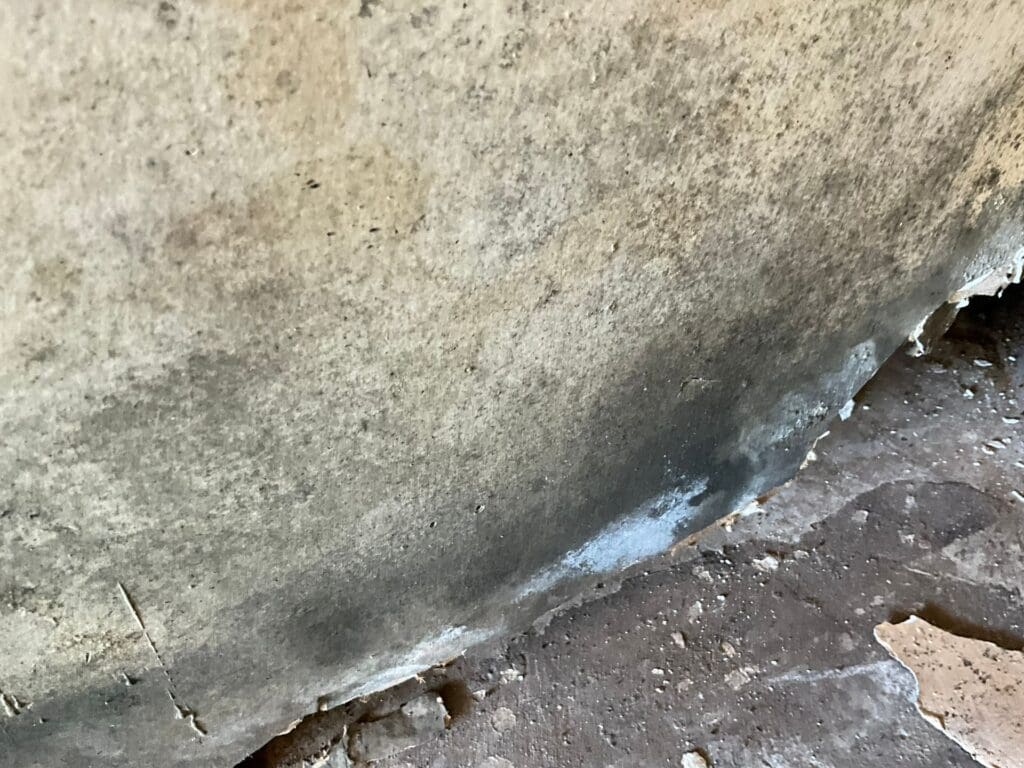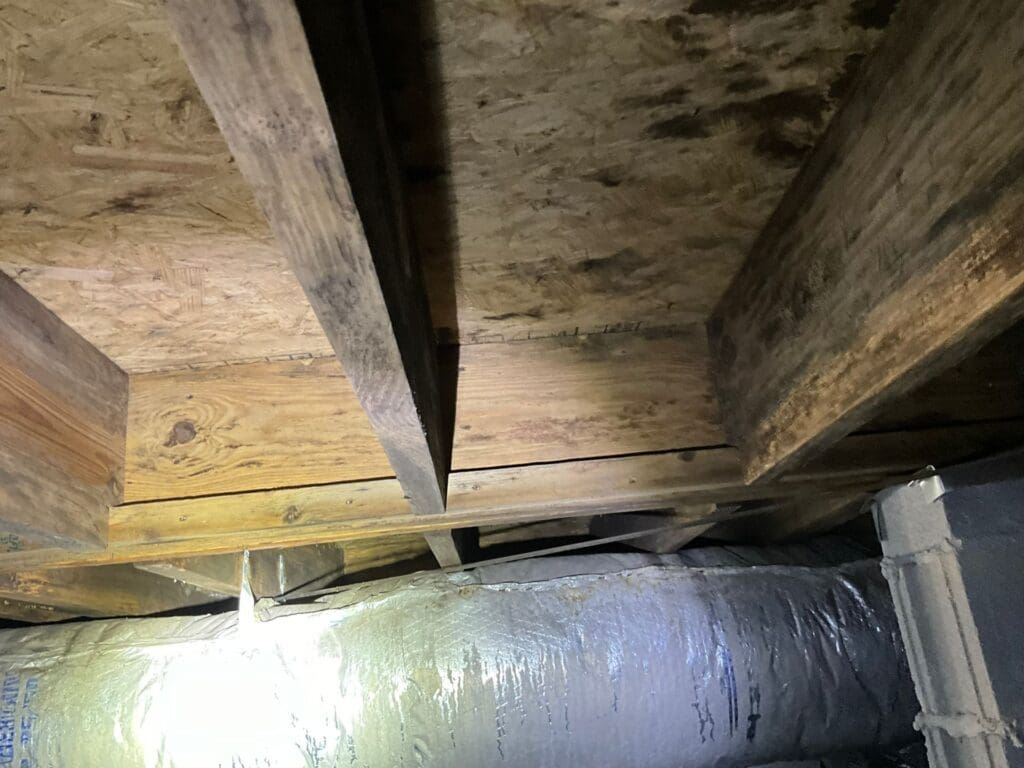
If you have ever walked into a damp room and immediately felt your throat tighten, your nose clog up, or your chest feel heavy, you are not imagining things.
Mold can affect the respiratory system, especially when spores and fragments become airborne and circulate through your home or workplace.
This blog is not medical advice and it cannot diagnose illness. But it can help you understand common respiratory risks people report with mold exposure, what situations tend to trigger them, and when professional testing makes sense.
If you live in Augusta, Aiken, or anywhere in the CSRA, this topic matters even more because humidity, crawl spaces, and seasonal storms often create the conditions mold needs.
How Mold Exposure Affects Breathing
Mold reproduces by releasing tiny spores into the air. These spores can be inhaled and may irritate the airways.
Mold can also produce fragments and, in some situations, compounds that people describe as harsh or irritating to breathe around. Not everyone reacts the same way. Some people have no symptoms at all, while others react quickly.
A person’s response often depends on:
- How sensitive their immune system is
- Whether they have asthma or allergies
- How long they are exposed
- Whether mold is being disturbed or circulated through HVAC
Common Respiratory Symptoms People Report
People who suspect mold exposure commonly describe symptoms like:
- Persistent coughing
- Nasal congestion or post nasal drip
- Sneezing that feels like allergies but never goes away
- Wheezing or chest tightness
- Shortness of breath during normal activity indoors
- Sore throat or throat irritation
- Frequent sinus pressure
A key pattern to watch for is location based symptoms. Many people notice they feel worse:
- In one specific room
- At home but not at work
- At work but not at home
- When the HVAC turns on
- After rain or after using showers and laundry
If symptoms improve when you leave the building and return when you come back, indoor air quality becomes a reasonable thing to investigate.
Who Is More Vulnerable To Respiratory Issues From Mold
Some people are more likely to react strongly, including:
- Children
- Older adults
- People with asthma
- People with allergies or chronic sinus issues
- Individuals with weakened immune systems
If a child is coughing at night, wheezing more than usual, or frequently congested at home, it is worth checking for environmental triggers. Pets can also react first and may show more sneezing or breathing irritation in certain areas.
Why Mold In HVAC Systems Can Make Symptoms Worse
One of the most common ways mold becomes a whole house issue is through HVAC circulation.
If mold is present in or near:
- Air handlers
- Ductwork
- Return vents
- Drip pans or condensate lines
spores can move throughout the property. That means even if mold started in one damp corner, respiratory symptoms may show up across multiple rooms.
A musty smell when the heat or AC kicks on can be an early clue that something is happening in the system or in a connected area like an attic.
Common Home Conditions That Increase Mold Related Respiratory Risk
You do not need a flood to create a respiratory issue. Many cases start with common moisture conditions, such as:
- Slow leaks under sinks or behind walls
- High humidity that stays elevated indoors
- Damp crawl spaces that feed musty air upward
- Attic moisture from roof leaks or ventilation problems
- Bathrooms without proper exhaust ventilation
- Water damage that was repaired cosmetically but not dried fully
These problems often create mold growth that is hidden, which is why people may feel symptoms before they ever see visible mold.
How To Tell If Mold Might Be Part Of The Problem
You cannot diagnose mold exposure with symptoms alone. Colds, allergies, and other conditions can cause similar issues.
But you can look for a combination of clues:
- Symptoms worsen indoors and improve when away
- Musty odors are present in the home
- There has been water damage, leaks, or dampness
- You see recurring staining on ceilings, baseboards, or around vents
- A particular room feels humid or stale compared to others
When these clues stack up, testing can provide clarity.
What Testing Can Do That Symptoms Cannot
This is where EnviroPro 360 helps. Instead of guessing, we can measure and document what is in the environment.
Depending on your situation, we may recommend:
- Mold air sampling to evaluate airborne spores in specific rooms
- Surface sampling for visible suspect growth
- Moisture detection and thermal imaging to locate hidden damp areas feeding mold
- HVAC focused evaluations when symptoms spike with system use
- Air allergen testing when symptoms persist but mold results are unclear, since other irritants like pollen, fibers, or insect debris can also trigger respiratory symptoms
- ERMI or ARMI in select cases where long term moisture history needs deeper analysis
All results are processed through accredited labs and explained in clear language.
When To Call EnviroPro 360
Consider scheduling an inspection if:
- You have ongoing respiratory irritation that seems linked to being indoors
- Your home has had leaks, storm damage, or chronic humidity
- A musty smell persists even after cleaning
- You suspect mold in a crawl space, attic, or HVAC system
- You are a property manager and tenants are reporting symptoms and odors
Testing is also useful when you need documentation for next steps, whether that is repairs, remediation, or a documented record of indoor air quality for the property.
Breathe Easier With Real Answers
Respiratory symptoms can be frustrating, especially when you cannot pinpoint the cause. Mold may be part of the problem, or it may not, but you deserve clarity.
EnviroPro 360 provides mold inspection, indoor air quality testing, and moisture detection across Augusta, Evans, Martinez, North Augusta, Aiken, and surrounding CSRA communities.
If your home or business is making it hard to breathe comfortably, contact EnviroPro 360 and let us help you find out why.