If you live in the Augusta or Aiken area, you already know what a humid day feels like. The air feels heavy, your skin feels sticky, and nothing quite dries the way it should.
Your house feels that too.
High humidity is one of the biggest reasons mold shows up in homes, even when there are no obvious leaks or floods. Moisture in the air slowly settles into walls, carpets, closets, and crawl spaces until mold finds the perfect place to grow.
Understanding how humidity works inside your home is one of the best ways to stay ahead of mold problems.
What Humidity Really Is And Why It Matters
Humidity is simply the amount of moisture in the air. When indoor humidity is too high, your home cannot dry out properly.
Mold spores are always present in small amounts. They float in from outside, ride in on clothes, or come through doors and windows. On their own, that is normal.
The problem starts when the air in your home holds more moisture than it should. Moist air:
- Takes longer to dry wet surfaces
- Condenses on cooler surfaces like windows and exterior walls
- Keeps fabrics, carpets, and wood slightly damp
That is when mold finds what it needs to wake up and spread.
Ideal Indoor Humidity For Mold Prevention
A good target for most homes is indoor humidity between 30 and 50 percent.
If humidity regularly creeps above 60 percent indoors, the risk of mold climbs quickly, especially in:
- Bathrooms and laundry rooms
- Crawl spaces and basements
- Attics and closed up bonus rooms
- Home offices with poor ventilation
You can use a simple hygrometer, often available in hardware stores, to get a basic idea of humidity in different rooms.
If the numbers are always high or certain rooms are much higher than others, moisture is hanging around longer than it should.
How Everyday Activities Raise Indoor Humidity
You do not need a major weather event to create a moisture problem. Normal life adds water to the air every day.
Examples include:
- Hot showers and baths
- Boiling water and cooking
- Running dishwashers and washing machines
- Drying clothes indoors
- Lots of people and pets in a small space
If exhaust fans are weak, windows stay closed, or vents are blocked, all of that moisture has nowhere to go. Over time, it soaks into surfaces and creates mold friendly conditions.
Where Humidity Driven Mold Often Shows Up
Even if you never see standing water, humidity can quietly feed mold in certain areas.
Around Windows
When warm indoor air meets a cooler window surface, condensation forms. If it happens often, you may see:
- Mold on window sills and trim
- Stained or soft drywall under windows
- Peeling paint around frames
On Exterior Walls And Corners
Rooms where furniture is pushed tight against exterior walls often have poor air flow. Humidity gets trapped and can cause:
- Dark or discolored spots in corners
- Musty smells inside closets
- Cold, clammy patches on the wall
In Closets And Small Rooms
Closets on outside walls or small rooms with closed doors, like home offices or half baths, are humidity hot spots. They often feel stuffy, and items inside can start to smell stale.
In Crawl Spaces And Basements
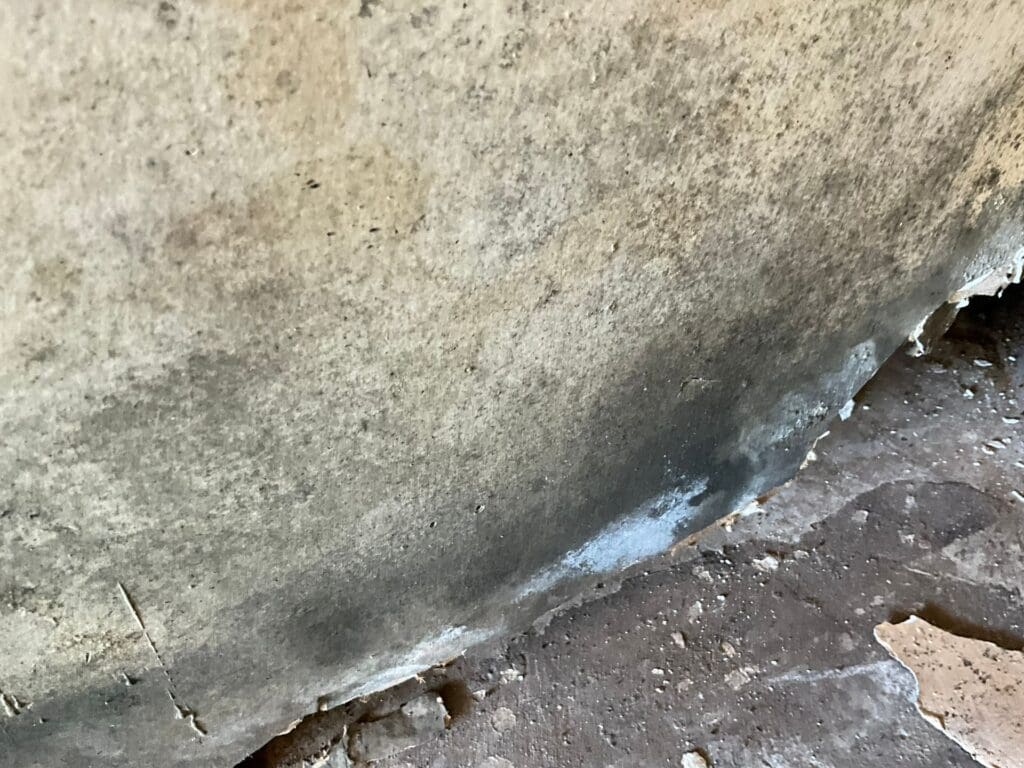
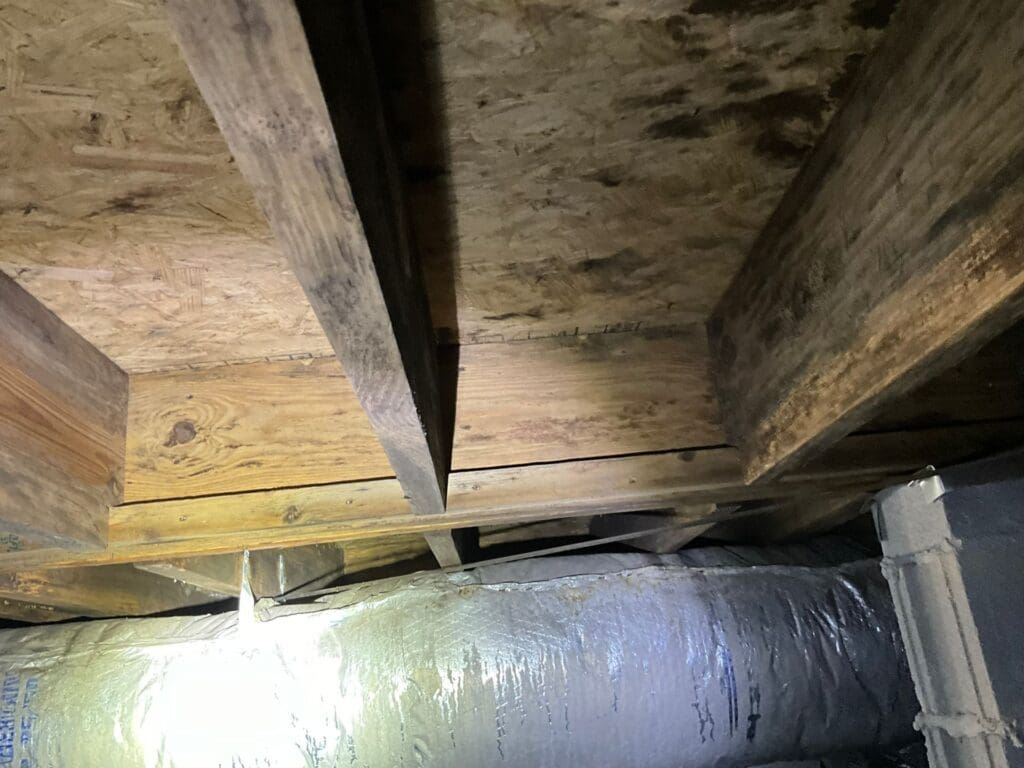
Warm outdoor air entering a cool crawl space or basement can cause condensation on wood and concrete. That moisture is a major reason so many homes in the CSRA develop:
- Mold on joists and subflooring
- Musty odors that rise into the living space
- Long term structural and air quality issues
Signs Humidity May Be Fueling Mold In Your Home
Pay attention if you notice:
- A general feeling of dampness indoors
- Persistent musty smells in one or more rooms
- Foggy or wet windows, especially in the morning
- Spots on ceilings, walls, or around vents that slowly grow
- Increased allergy or asthma symptoms at home
These are often early warnings that humidity and mold are working together behind the scenes. The CDC notes that mold exposure can cause respiratory symptoms, eye irritation, and worsened asthma — which is why symptoms that are consistently worse at home and better away are worth taking seriously.
Simple Ways To Reduce Humidity And Slow Mold Growth
There are several practical steps homeowners can take:
- Use bathroom and kitchen exhaust fans during and after showers or cooking
- Open interior doors to improve air flow between rooms
- Run a dehumidifier in problem areas like basements or some crawl space conversions
- Keep furniture a little bit away from exterior walls so air can move
- Avoid drying laundry indoors whenever possible
- Make sure dryer vents are properly connected and exhausted outside
These habits help, but if humidity has been high for a long time, you may also need a professional evaluation.
When To Call EnviroPro 360 About Humidity And Mold
It is time to bring in a specialist if:
- You have visible mold that keeps coming back after cleaning
- Certain rooms always smell musty or feel damp
- Your home has a history of leaks, storms, or crawl space problems
- Family members feel worse at home but better outside or away
- You want a clear picture of mold and moisture levels before a renovation or sale
At that point, you do not just need a dehumidifier. You need to know what is already happening in your home.
How EnviroPro 360 Checks Humidity And Mold In Your Home
EnviroPro 360 focuses on environmental testing and inspection, not guesswork.
When you call us about humidity and possible mold, we can:
- Perform a full mold inspection, focusing on high risk areas like bathrooms, crawl spaces, attics, and home offices
- Use moisture meters and, when needed, thermal imaging to find hidden dampness inside walls and floors
- Collect air samples to measure mold spores and overall air quality
- Take surface or dust samples in areas where growth is suspected
- Provide a written report from an AIHA accredited lab explaining what we found
You get clear information about whether humidity has already led to mold, how serious it is, and what steps to take next.
We serve homeowners and property managers throughout Augusta, Evans, Martinez, North Augusta, Aiken, and the surrounding CSRA.
Do Not Let Humidity Quietly Take Over Your Home
Humidity is a normal part of life in the Southeast, but it does not have to control the health of your house.
With smart daily habits and timely professional testing, you can keep moisture in check and mold growth under control.
If you are worried that humidity has already fueled mold in your home, or you want to be proactive before it does, contact EnviroPro 360 today to schedule a mold and moisture inspection and take the first step toward a safer, drier home.