EnviroPro 360

Mold Testing and Inspection

Mold testing and inspection in Georgia and South Carolina. Discover how certified mold assessments help protect your home and indoor air quality.

Winter humidifiers can improve comfort—but they can also become hidden sources of mold. Find out how to use them safely and when to call EnviroPro 360 for testing.

Why Your Humidifier Could Be Making You Sick: The Hidden Mold Ris …

You bought it to breathe easier. To fight off dry winter air. To help your sinuses, skin, or your kids sleep better. But what if that humidifier is doing more harm than good? Most homeowners don’t realize that improperly used humidifiers can create the perfect breeding ground for mold, especially in winter when windows are […]

Why Your Humidifier Could Be Making You Sick: The Hidden Mold Ris … Read More ยป

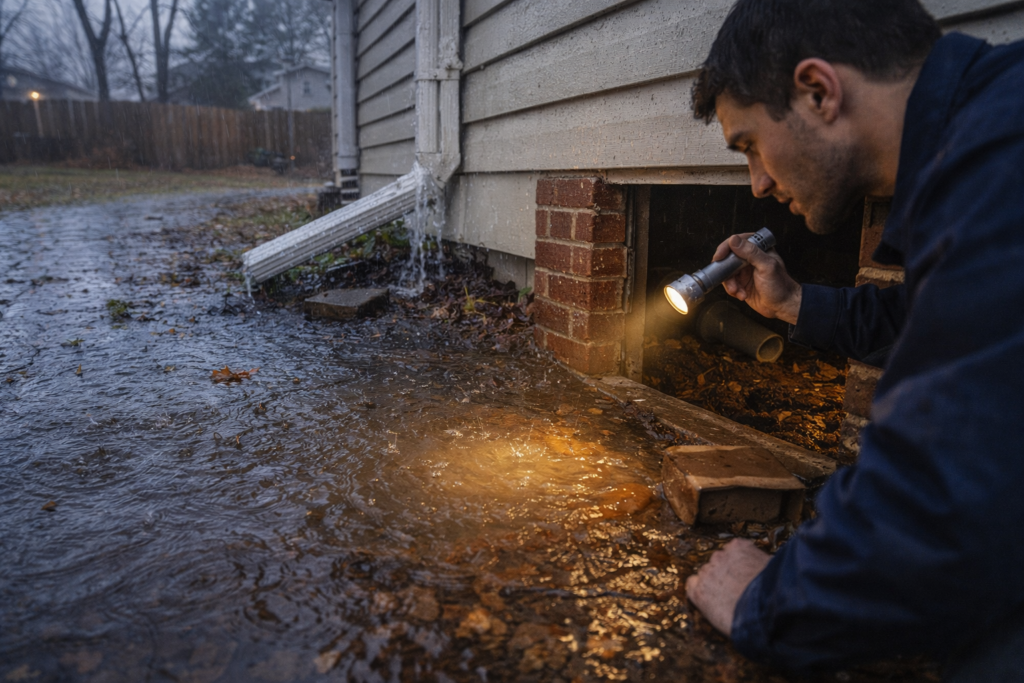
Man inspecting water accumulation near a home's foundation with a flashlight during heavy rain, highlighting potential mold growth risks.

Rainy Season Warning: Why February Showers Could Lead to March Mo …

The calendar says winter—but your roof, crawl space, and foundation are already dealing with spring-level rain. February in the Southeast often means unpredictable storms, damp ground, and temperature swings that invite moisture exactly where you don’t want it. And while you’re waiting for warmer days, that hidden moisture is already hard at work laying the

Rainy Season Warning: Why February Showers Could Lead to March Mo … Read More ยป

If holiday guests bring sneezes instead of cheer, your unused guest room may be to blame. Learn how mold and allergens build up—and how to fix it before visitors arrive.

What’s Lurking in Your Guest Room? Why Holiday Visitors Trigger …

It happens every year. Family arrives. The guest room is all made up. The air mattress is inflated. But within a few hours, someone is coughing, sneezing, or reaching for allergy meds. You cleaned. You vacuumed. So what’s the deal? The culprit might be mold or hidden allergens, stirred up after months of sitting untouched—and

What’s Lurking in Your Guest Room? Why Holiday Visitors Trigger … Read More ยป

Heating season can trap moisture and spores indoors. Use these practical, standards-informed steps to prevent mold and protect indoor air quality this winter in Georgia and South Carolina.

Winter HVAC & Indoor Air Quality: Stop Mold Before It Starts

Why winter raises mold risk Winter means closed windows, drier outdoor air, and long HVAC run times. Warm, humid indoor air meets cold surfaces (windows, exterior walls, poorly insulated ducts) and condenses, creating damp pockets inside walls, above ceiling tiles, and around supply diffusers. If wet materials aren’t dried within roughly 24–48 hours, mold can

Winter HVAC & Indoor Air Quality: Stop Mold Before It Starts Read More ยป

A tiny winter roof leak can become a full-blown mold problem by spring. Here’s how to spot issues early and prevent expensive damage before it spreads.

Winter Roof Leaks Can Lead to Spring Mold—Here’s How to Catch …

In the South, it’s easy to ignore your roof during winter. We don’t see much snow, and freezing temps are rare. But that doesn’t mean your home is in the clear. Even small roof leaks during colder months can lead to big mold problems by the time spring rolls around. Rain, wind, and temperature swings

Winter Roof Leaks Can Lead to Spring Mold—Here’s How to Catch … Read More ยป

Heating season can trap moisture and spores indoors. Learn practical, standards-based steps to prevent mold and protect indoor air quality this winter.

Winter HVAC & Indoor Air Quality: Stop Mold Before It Starts

Why mold risks rise in heating season Winter means closed windows, longer run times for heat, and temperature swings that push indoor moisture to cold surfaces. That combination creates condensation in ductwork, around windows, and inside wall cavities where mold can take hold. The EPA’s core rule of thumb is simple: control moisture, and dry

Winter HVAC & Indoor Air Quality: Stop Mold Before It Starts Read More ยป

Air allergen testing detects more than just mold. It reveals hidden irritants like pollen, insect debris, and fiberglass in your air. Here’s when to test your home or workplace.

What Is Air Allergen Testing—and Who Really Needs It?

You dust, you clean, and your home still triggers allergy symptoms. Ever wonder why? It might not be mold. It might not be pets. You could be breathing in invisible allergens that never crossed your mind—until now. Air allergen testing is a specialized environmental test that identifies non-mold airborne irritants, including: These particles float in

What Is Air Allergen Testing—and Who Really Needs It? Read More ยป

Scroll to Top