EnviroPro 360

Mold Testing and Inspection

Mold testing and inspection in Georgia and South Carolina. Discover how certified mold assessments help protect your home and indoor air quality.

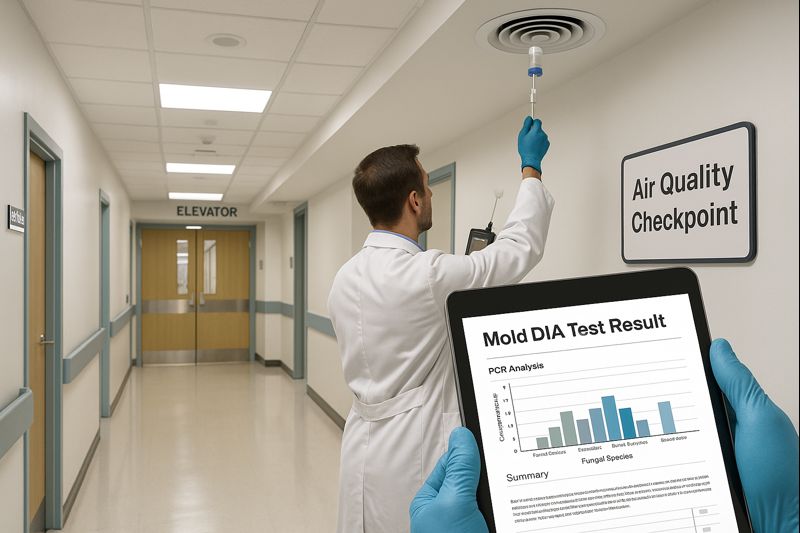
PCR testing for mold is ideal for hospitals and clinics where air quality is critical. Here’s what’s in the nosocomial panel and why proactive testing matters.

What Is PCR Mold Testing for Hospitals and Healthcare Spaces?

Healthcare environments have occupants with fundamentally different risk profiles than residential buildings. A homeowner with a mold problem has an unpleasant and potentially harmful situation. A hospital or dialysis clinic with an undetected fungal contamination issue has a patient safety emergency. That is the context in which PCR mold testing for healthcare spaces was developed.

What Is PCR Mold Testing for Hospitals and Healthcare Spaces? Read More »

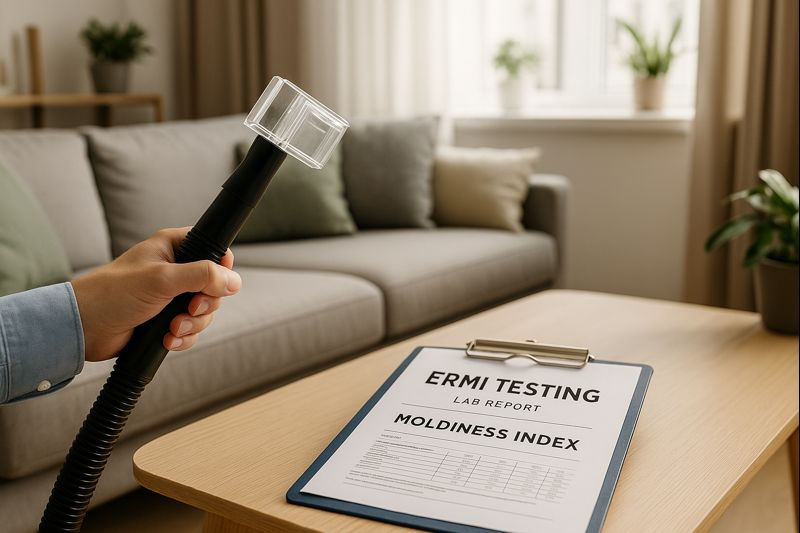
ERMI testing is one of the most advanced mold assessments available. Here’s what it means, how it works, and when to request it for your home or business.

What Is ERMI Testing—and Should You Use It for Mold Detection?

When a standard mold air test or visual inspection does not fully explain why someone keeps having respiratory symptoms in their Augusta home, or why a property smells musty even after cleaning, ERMI testing can provide a more complete picture of what has accumulated in the indoor environment over time. ERMI stands for Environmental Relative

What Is ERMI Testing—and Should You Use It for Mold Detection? Read More »

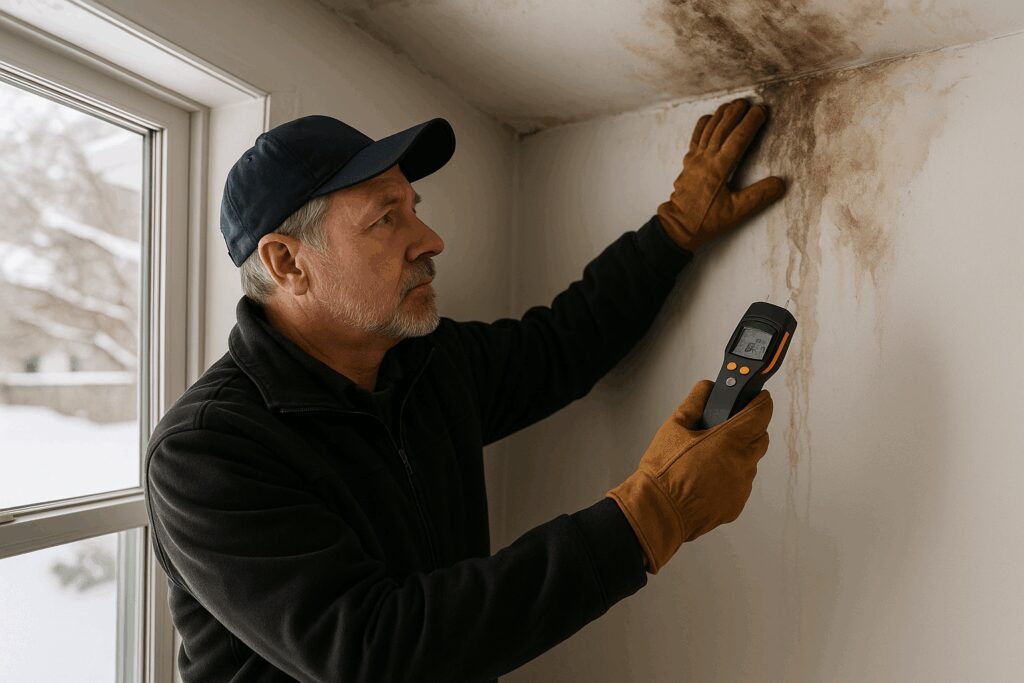
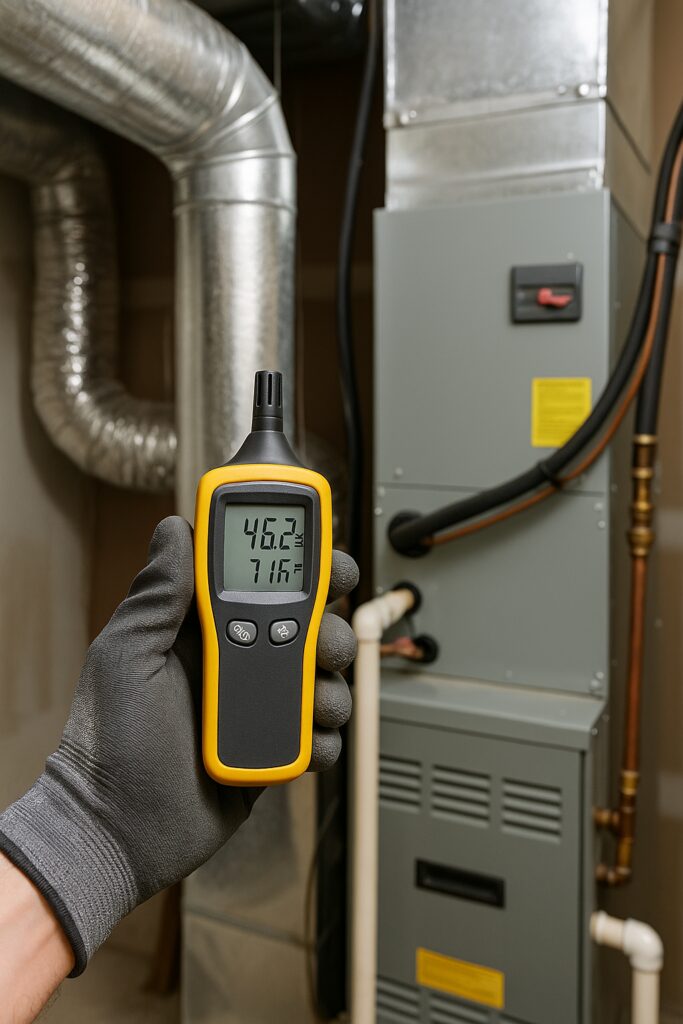
Winter leaks are silent troublemakers. Learn how hidden moisture inside walls or ceilings leads to mold, structural damage, and costly repairs — and how to catch them early.

Winter Leaks, Hidden Damage: How Small Drips Turn Into Big Proble …

When Winter Weather Turns Into Water Damage Winter in Georgia and South Carolina may not bring blizzards, but the season creates the perfect storm for hidden leaks. Cold snaps, freezing nights, heavy rain, and increased heater usage all put added stress on building materials and plumbing. The result is often silent: slow, unnoticed moisture behind

Winter Leaks, Hidden Damage: How Small Drips Turn Into Big Proble … Read More »

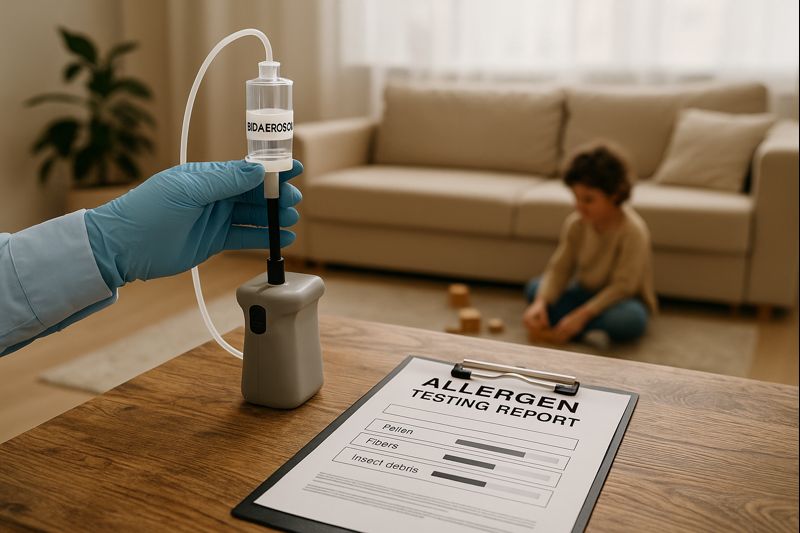
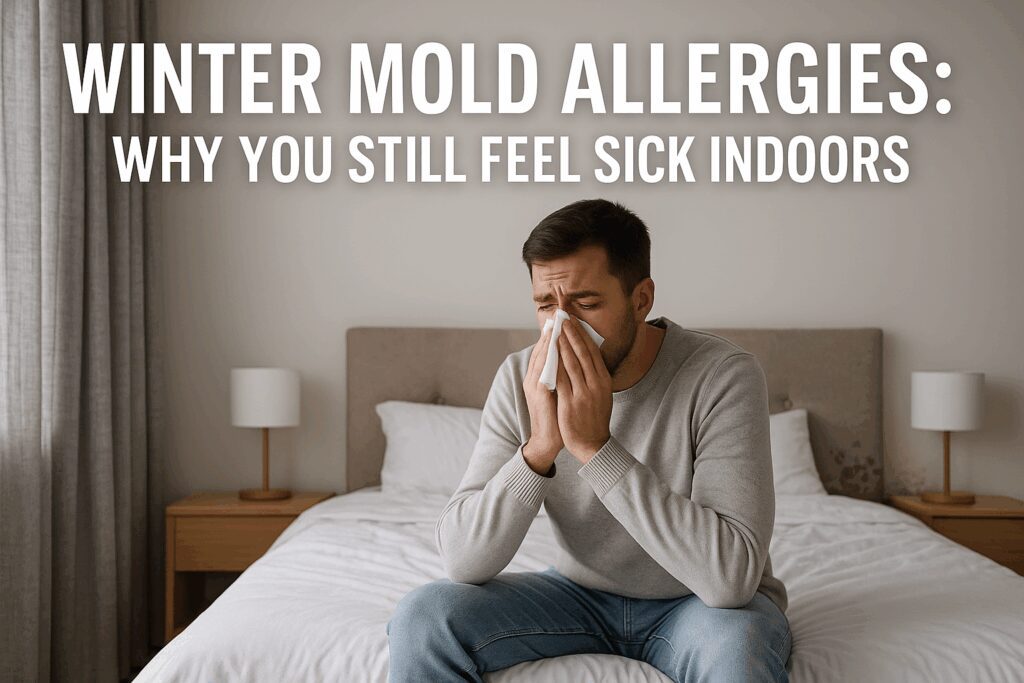
Allergy season might be over, but mold is still in the air. Learn how indoor mold during the winter months could be the reason you feel sick year-round.

Winter Mold Allergies: Why You Still Feel Sick Indoors

The pollen count drops in winter, windows stay closed, and most Augusta-area residents assume their indoor air quality improves during the colder months. For many, the opposite is true. Winter in Georgia and South Carolina creates conditions that favor indoor mold growth: sealed homes with reduced ventilation, condensation from heating systems on cool surfaces, and

Winter Mold Allergies: Why You Still Feel Sick Indoors Read More »

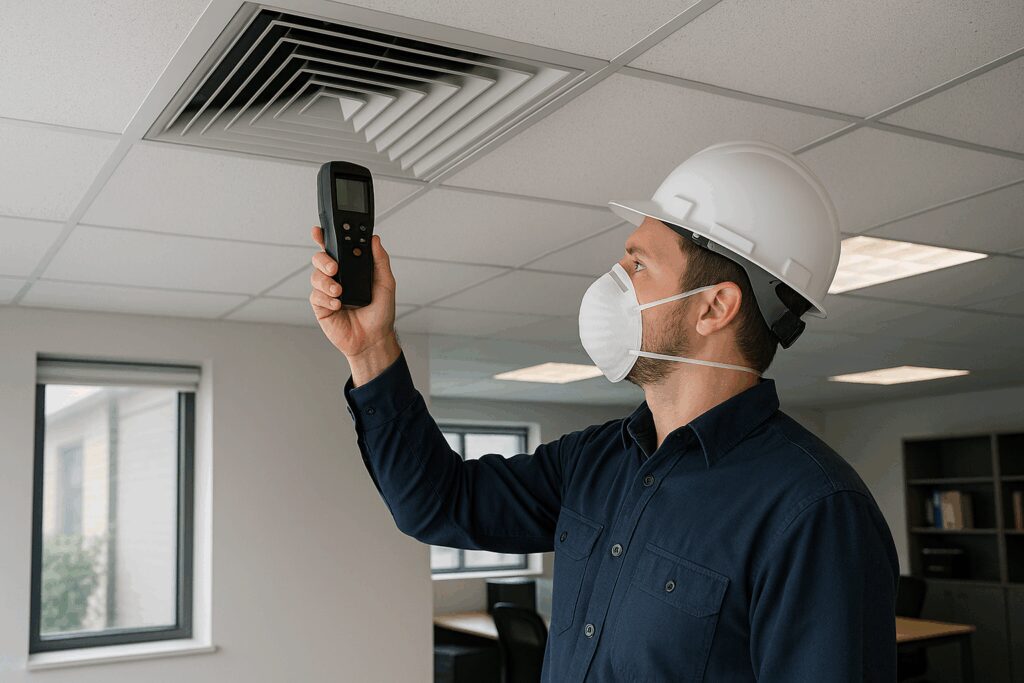
Musty smell at the office? It might not be “just the carpet.” Learn how to spot early signs of workplace mold before it impacts employee health or productivity.

How to Tell If Your Workplace Has a Mold Problem Before Employees …

Commercial buildings develop mold problems through the same mechanisms as residential properties — moisture intrusion, inadequate ventilation, and HVAC failures — but on a larger scale and with more complex consequences. In Augusta and the CSRA, where older commercial building stock intersects with a climate that delivers significant humidity and rainfall, mold in workplaces is

How to Tell If Your Workplace Has a Mold Problem Before Employees … Read More »

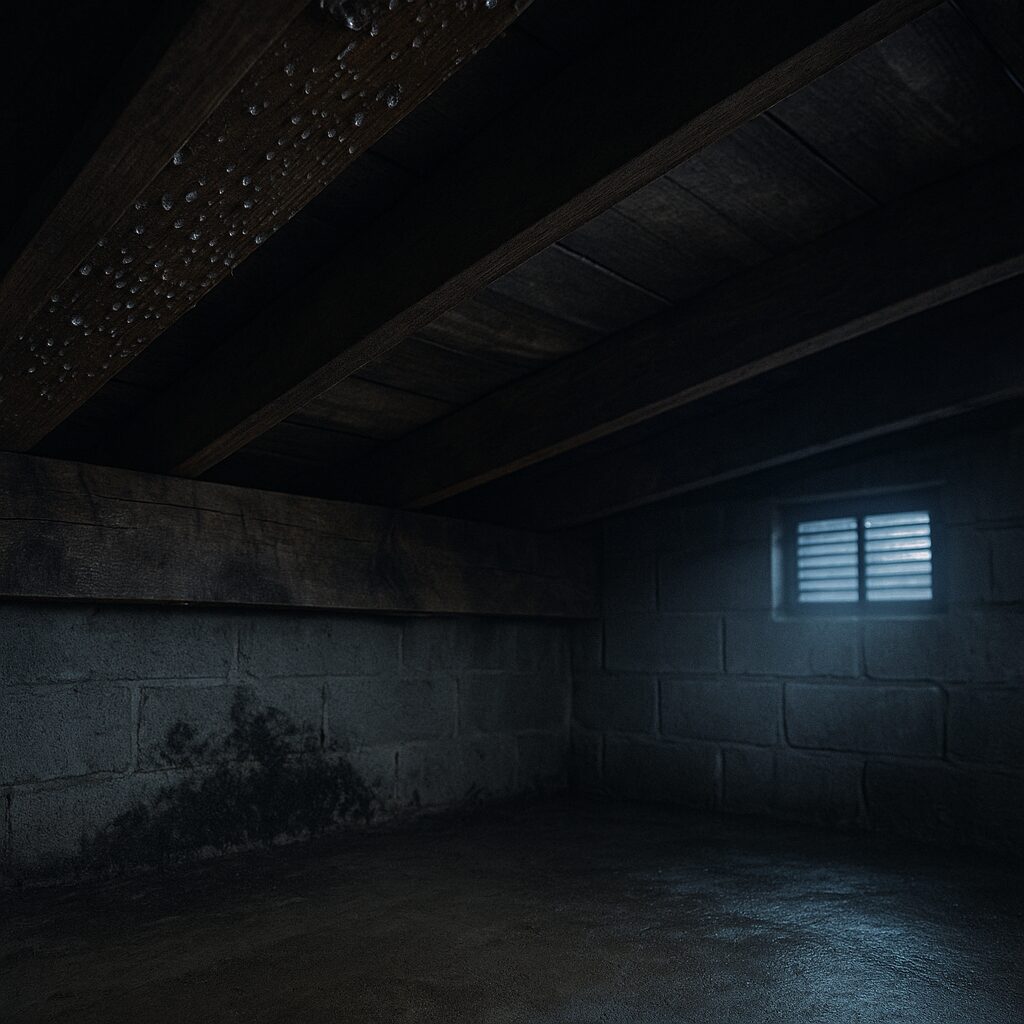
Holiday rainstorms can sneak water into your attic, walls, and crawl space. Use this post-rain checklist to catch leaks early and prevent mold growth before it starts.

Don’t Let Holiday Leaks Turn Into Mold: Post-Rain Inspection Ch …

Georgia and South Carolina get weather in November and December that homeowners outside the Southeast often underestimate. The CSRA does not have the hard freezes that protect northern homes from rain-related moisture intrusion, but it gets significant rainfall, occasional remnant tropical systems well into fall, and rapid temperature swings that drive condensation onto building materials.

Don’t Let Holiday Leaks Turn Into Mold: Post-Rain Inspection Ch … Read More »

Scroll to Top