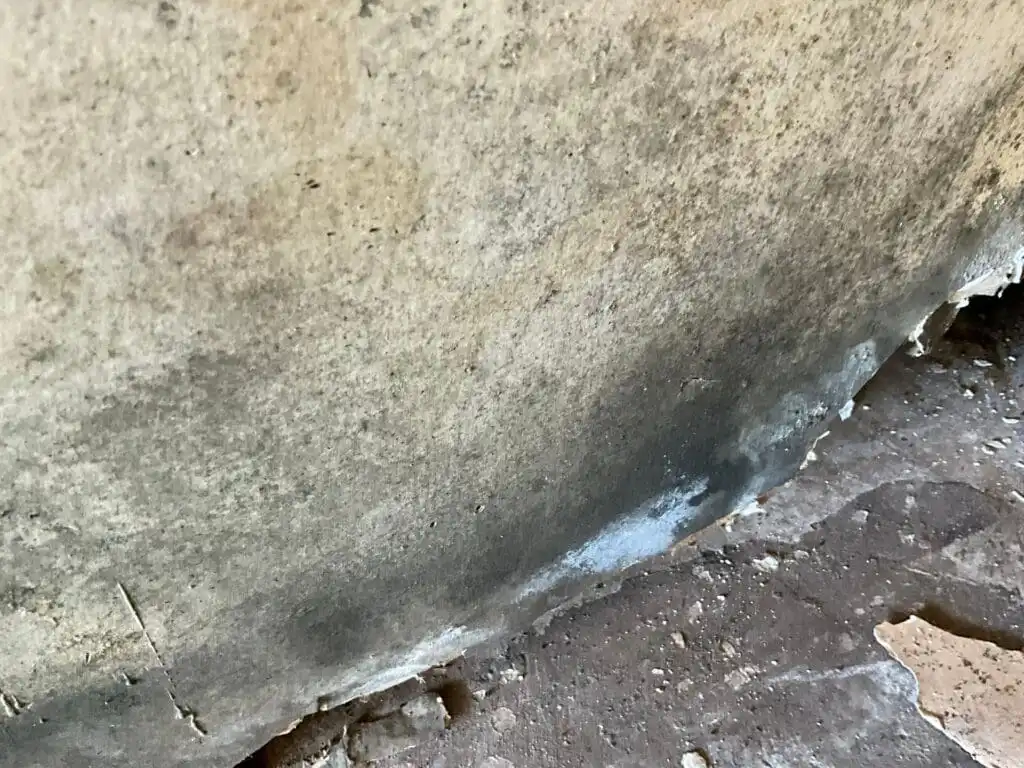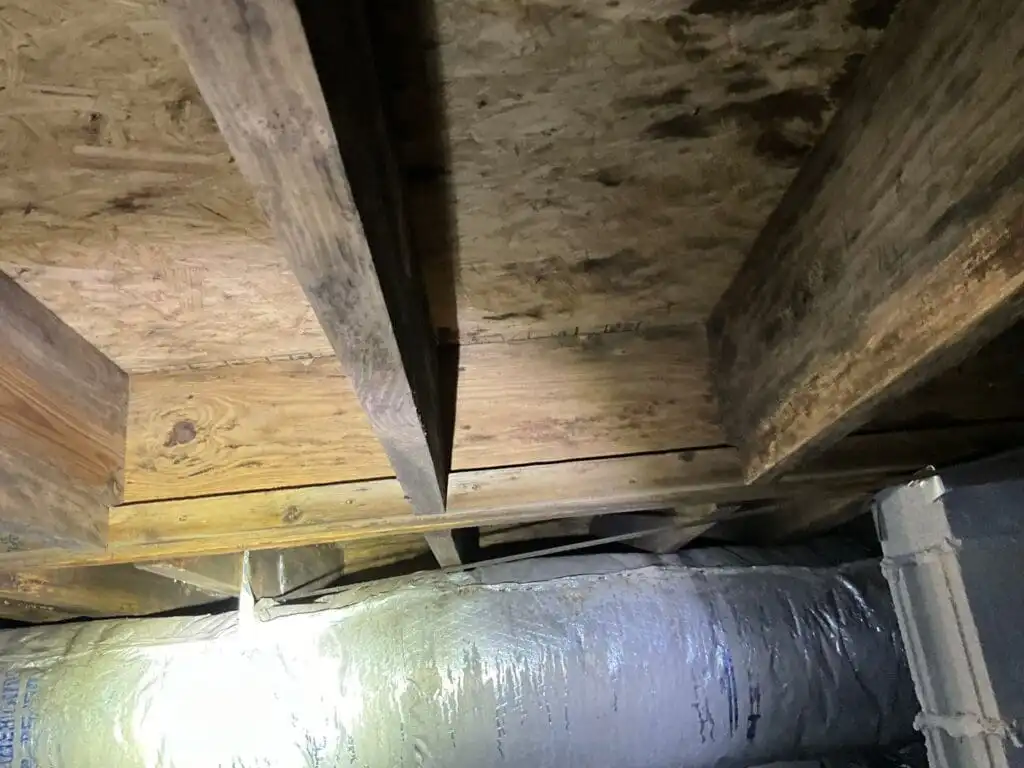
Most mold conversations focus on the acute: you discover growth, you remove it, you move on. But for many households in Augusta and the CSRA, mold is not a single event. It is a months-long or years-long exposure they did not know was happening because the source stayed hidden inside walls, crawl spaces, or HVAC systems.
Long-term mold exposure — repeated or continuous contact over weeks, months, or years — produces a different health picture than a brief encounter. Understanding that difference matters for recognizing what is affecting your household and deciding when professional testing is the right step.
What You Are Actually Being Exposed To
Indoor mold growth produces several biologically active compounds, not just visible spores. Depending on the species and moisture conditions, these include:
- Mold spores — microscopic reproductive units that become airborne and are inhaled
- Mycotoxins — chemical compounds produced by certain mold species that can persist on surfaces and in settled dust even after living mold is removed
- Microbial volatile organic compounds (MVOCs) — gases produced by active mold growth that cause the characteristic musty odor and can trigger symptoms at concentrations too low to detect through spore counts alone
Common indoor mold species in the CSRA include Cladosporium, Penicillium, Aspergillus, and Alternaria. In water-damaged homes with sustained heavy moisture, Stachybotrys chartarum (often called black mold) can develop as well, though it requires more extreme conditions than the others.
How Symptoms Develop Over Time
Short-term mold contact typically produces acute symptoms that resolve when exposure ends: sneezing, nasal irritation, watery eyes, coughing. Long-term exposure, according to the CDC, is associated with more persistent and harder-to-attribute effects:
- Chronic respiratory symptoms including persistent cough, wheezing, and recurring sinus infections
- Allergic sensitization, where someone who had no prior mold allergy develops a lasting immune response
- Asthma onset or significant worsening in people with existing asthma
- Hypersensitivity pneumonitis, a lung inflammation that can develop from high-level or long-duration mold exposure
The National Institute of Environmental Health Sciences (NIEHS) has also documented associations between long-term mold exposure and cognitive effects including difficulty concentrating and persistent brain fog, as well as heightened anxiety and depression. Researchers believe these effects are linked to neuroinflammatory responses to mycotoxins rather than to the spores themselves.
The critical difficulty with long-term exposure is that symptoms are often attributed to something else first: seasonal allergies, chronic stress, recurring colds. By the time the exposure source is identified, it has often been active for a year or more.
Who Carries the Most Risk
The EPA identifies several populations with heightened vulnerability to mold exposure:
- People with asthma, regardless of whether they have a known mold allergy
- Individuals with compromised immune systems, including those on immunosuppressant medications, undergoing chemotherapy, or living with HIV/AIDS
- Children, whose developing respiratory and immune systems respond more strongly to environmental exposures
- Older adults with reduced lung capacity or pre-existing respiratory conditions
- Anyone who has already developed hypersensitivity to fungi through prior exposure
Why the CSRA Creates Elevated Long-Term Exposure Risk
Augusta and the surrounding CSRA present specific conditions that make long-term mold exposure more likely than in drier climates:
- Crawl space construction is standard in much of the region’s housing stock, and vented crawl spaces can sustain year-round moisture levels sufficient for continuous mold growth
- HVAC systems run for nine to ten months out of the year to manage both heat and humidity, providing the steady condensation conditions that support growth inside air handlers and ductwork
- Summer outdoor humidity regularly exceeds 80 percent, and even well-maintained homes can struggle to keep indoor humidity below the 60 percent threshold where mold growth becomes established
These are not individual failures or signs of a poorly maintained home. They are the normal operating conditions of the regional climate. Managing them requires active monitoring, and when symptoms persist, a willingness to investigate rather than wait.
Why Long-Term Exposure Often Goes Unrecognized
Hidden mold growing inside wall cavities, under flooring, in crawl spaces, or inside HVAC systems does not trigger a visible alarm. Occupants breathe MVOCs and spores that migrate through building materials without ever seeing or smelling anything definitive. Symptoms that develop gradually over months are rarely connected to their source without deliberate investigation.
A pattern EnviroPro 360 sees regularly across Augusta and the CSRA: a household attributes persistent respiratory symptoms in one member to allergies or asthma for a year or more, pursues professional air testing after other treatments fail, and discovers a mold colony in a wall cavity or crawl space that has been active since a plumbing leak or water event the family thought was resolved.
When to Get Tested
If someone in your household has unexplained respiratory symptoms lasting more than a few weeks, if symptoms consistently worsen at home and improve away from it, or if your home has had any water intrusion in the past few years, professional mold testing is the appropriate next step.
Room-by-room air sampling, surface sampling, and moisture investigation identify active mold growth that visual inspections and DIY test kits consistently miss. DIY petri-dish tests confirm only that mold spores exist in the home, which is true of nearly every indoor environment. They do not provide species identification, concentration data, or any information about source location. A professional inspection gives you specific, actionable findings.
How EnviroPro 360 Can Help
EnviroPro 360 serves homeowners and property managers across Augusta, Aiken, North Augusta, Columbia, and the surrounding CSRA with certified mold testing and indoor air quality assessment. If you suspect long-term mold exposure is affecting your household, contact us to schedule an inspection.