EnviroPro 360

Mold Testing and Inspection

Mold testing and inspection in Georgia and South Carolina. Discover how certified mold assessments help protect your home and indoor air quality.

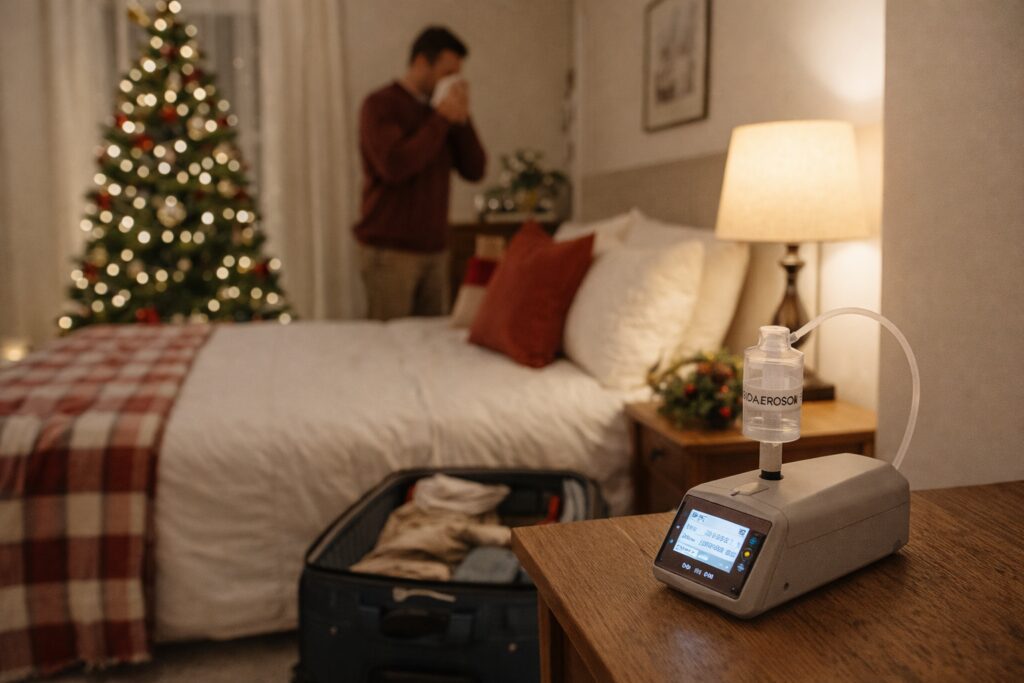
Heating season can trap moisture and spores indoors. Use these practical, standards-informed steps to prevent mold and protect indoor air quality this winter in Georgia and South Carolina.

Winter HVAC & Indoor Air Quality: Stop Mold Before It Starts

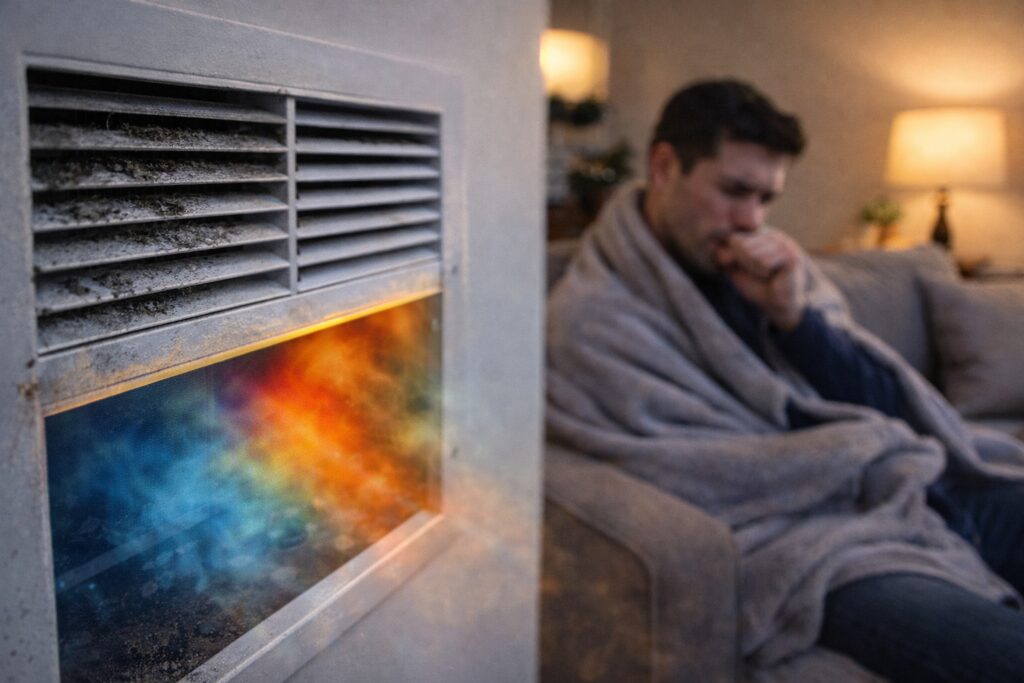
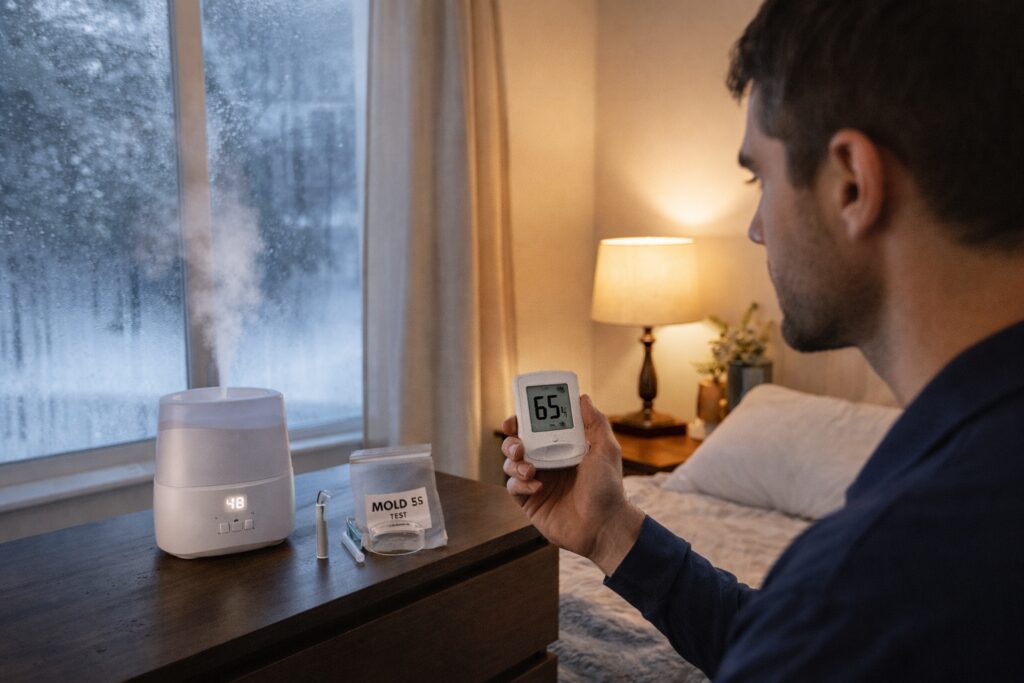
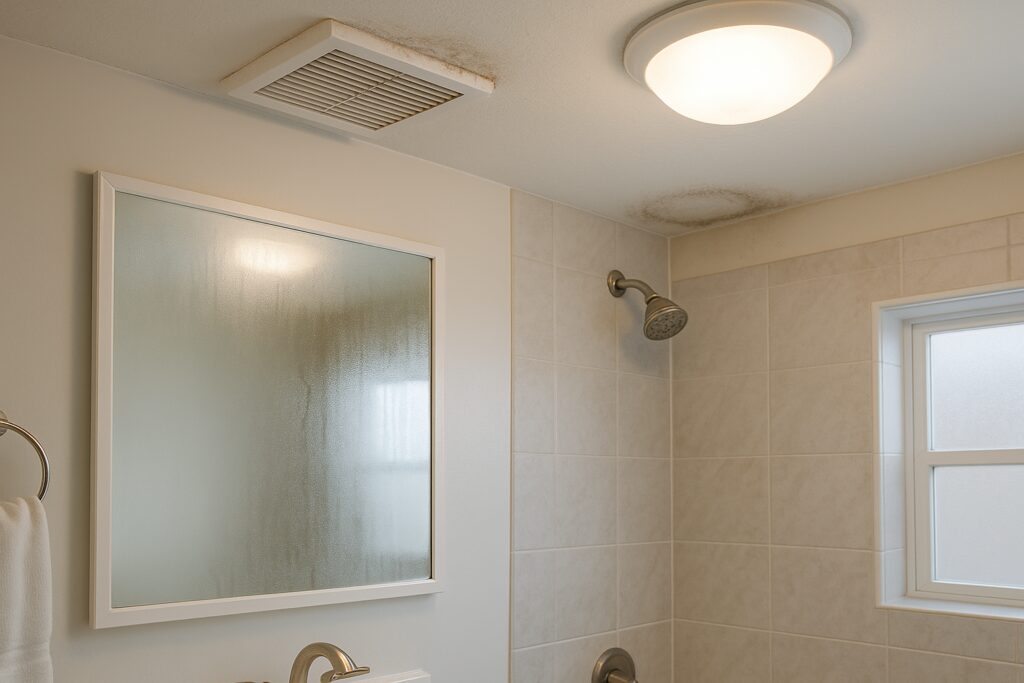
Why winter raises mold risk Winter means closed windows, drier outdoor air, and long HVAC run times. Warm, humid indoor air meets cold surfaces (windows, exterior walls, poorly insulated ducts) and condenses, creating damp pockets inside walls, above ceiling tiles, and around supply diffusers. If wet materials aren’t dried within roughly 24–48 hours, mold can […]

Winter HVAC & Indoor Air Quality: Stop Mold Before It Starts Read More »

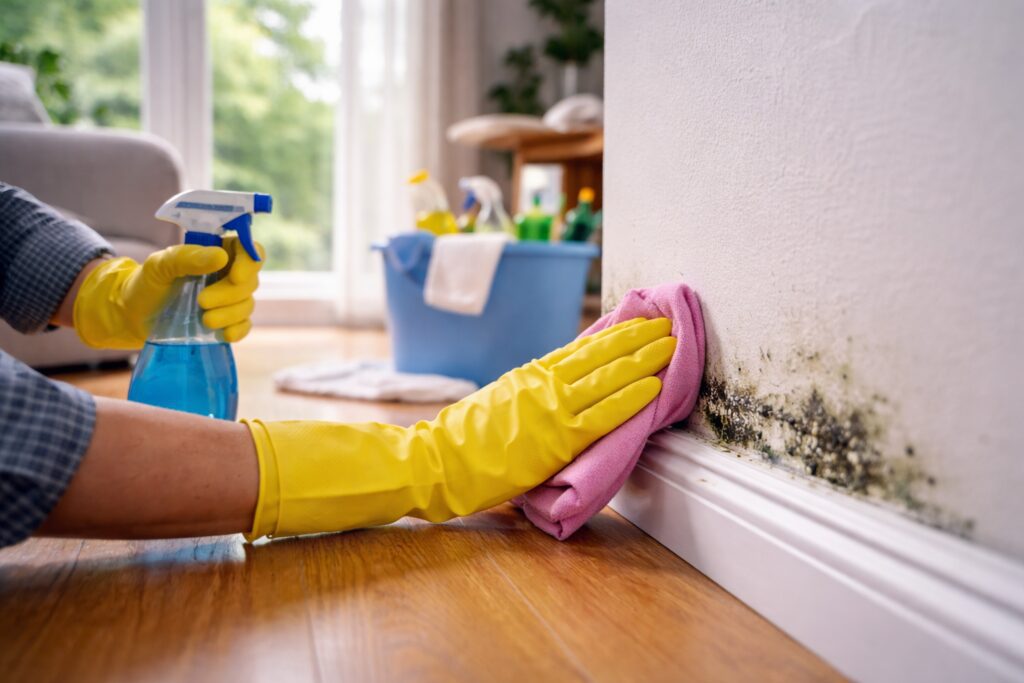
A tiny winter roof leak can become a full-blown mold problem by spring. Here’s how to spot issues early and prevent expensive damage before it spreads.

Winter Roof Leaks Can Lead to Spring Mold—Here’s How to Catch …

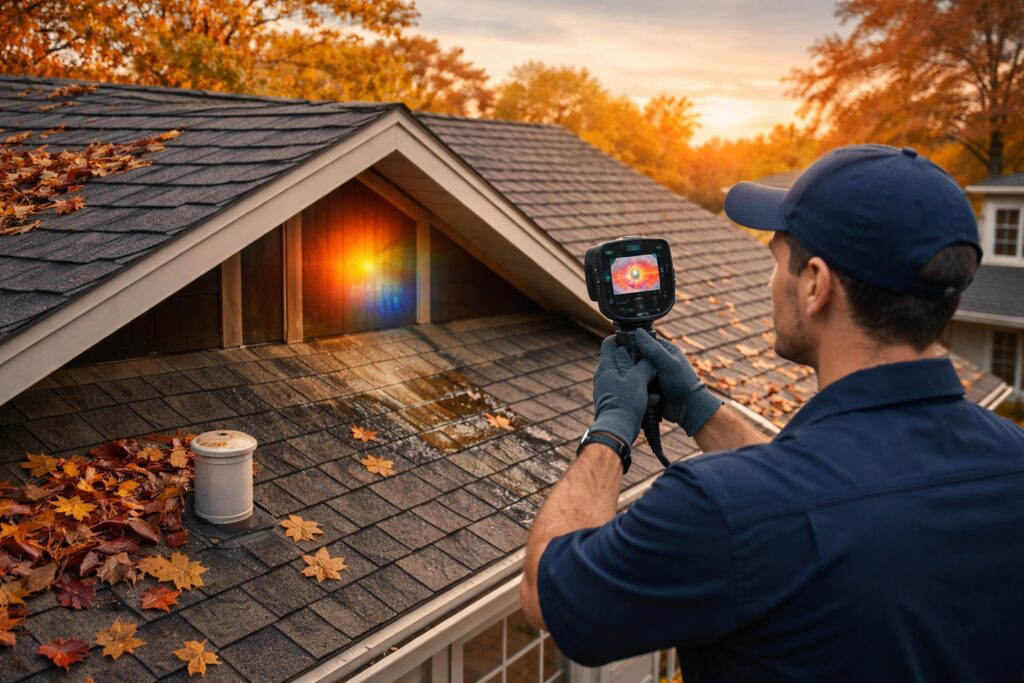
In the South, it’s easy to ignore your roof during winter. We don’t see much snow, and freezing temps are rare. But that doesn’t mean your home is in the clear. Even small roof leaks during colder months can lead to big mold problems by the time spring rolls around. Rain, wind, and temperature swings

Winter Roof Leaks Can Lead to Spring Mold—Here’s How to Catch … Read More »

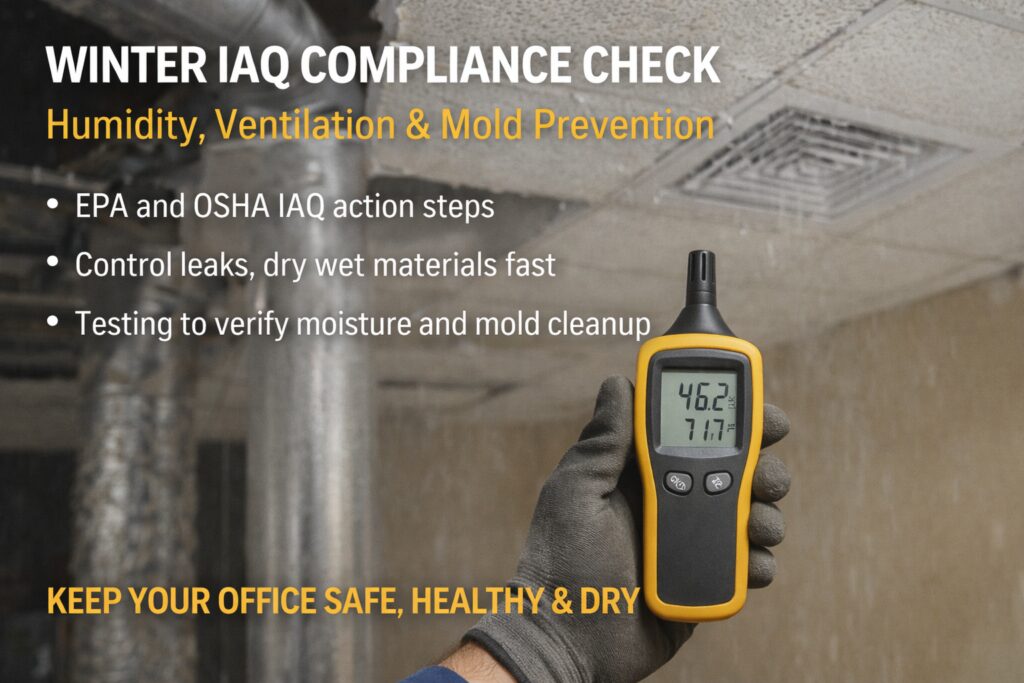
Heating season can trap moisture and spores indoors. Learn practical, standards-based steps to prevent mold and protect indoor air quality this winter.

Winter HVAC & Indoor Air Quality: Stop Mold Before It Starts

Why mold risks rise in heating season Winter means closed windows, longer run times for heat, and temperature swings that push indoor moisture to cold surfaces. That combination creates condensation in ductwork, around windows, and inside wall cavities where mold can take hold. The EPA’s core rule of thumb is simple: control moisture, and dry

Winter HVAC & Indoor Air Quality: Stop Mold Before It Starts Read More »

Air allergen testing detects more than just mold. It reveals hidden irritants like pollen, insect debris, and fiberglass in your air. Here’s when to test your home or workplace.

What Is Air Allergen Testing—and Who Really Needs It?

You dust, you clean, and your home still triggers allergy symptoms. Ever wonder why? It might not be mold. It might not be pets. You could be breathing in invisible allergens that never crossed your mind—until now. Air allergen testing is a specialized environmental test that identifies non-mold airborne irritants, including: These particles float in

What Is Air Allergen Testing—and Who Really Needs It? Read More »

Person in a lab coat conducting air quality testing in a hospital hallway, holding a tablet displaying mold test results, with an air quality checkpoint sign visible.

What Is PCR Mold Testing for Hospitals and Healthcare Spaces?

When it comes to healthcare environments, the stakes for air quality are high. A small amount of hidden mold or fungal contamination can put vulnerable patients at risk. That’s why more hospitals, clinics, and long-term care facilities are turning to PCR testing—specifically the Comprehensive Nosocomial Panel—to proactively monitor indoor air. This highly sensitive test doesn’t

What Is PCR Mold Testing for Hospitals and Healthcare Spaces? Read More »

ARMI testing report on clipboard with graph, air quality monitoring device in residential setting, emphasizing mold testing and environmental safety.

What Is ARMI Testing and How Does It Compare to ERMI?

When it comes to measuring mold indoors, accuracy matters—but so does accessibility. ARMI testing, or the American Relative Moldiness Index, was developed as a streamlined version of the ERMI test to help evaluate mold levels in water-damaged buildings using fewer species and a simplified index. While ERMI analyzes 36 molds, ARMI focuses on 13 core

What Is ARMI Testing and How Does It Compare to ERMI? Read More »

Hand holding a mold testing device over an ERMI testing lab report on a coffee table in a well-lit living room setting.

What Is ERMI Testing—and Should You Use It for Mold Detection?

When mold becomes a concern in your home or workplace, you need more than just a surface-level inspection. You need data. That’s where ERMI testing comes in. ERMI stands for the Environmental Relative Moldiness Index, a panel developed by the U.S. Environmental Protection Agency (EPA) to scientifically evaluate the mold burden in indoor environments—especially those

What Is ERMI Testing—and Should You Use It for Mold Detection? Read More »

Man inspecting wall for mold with moisture meter in winter setting, highlighting the risks of hidden leaks and moisture damage during cold weather.

Winter Leaks, Hidden Damage: How Small Drips Turn Into Big Proble …

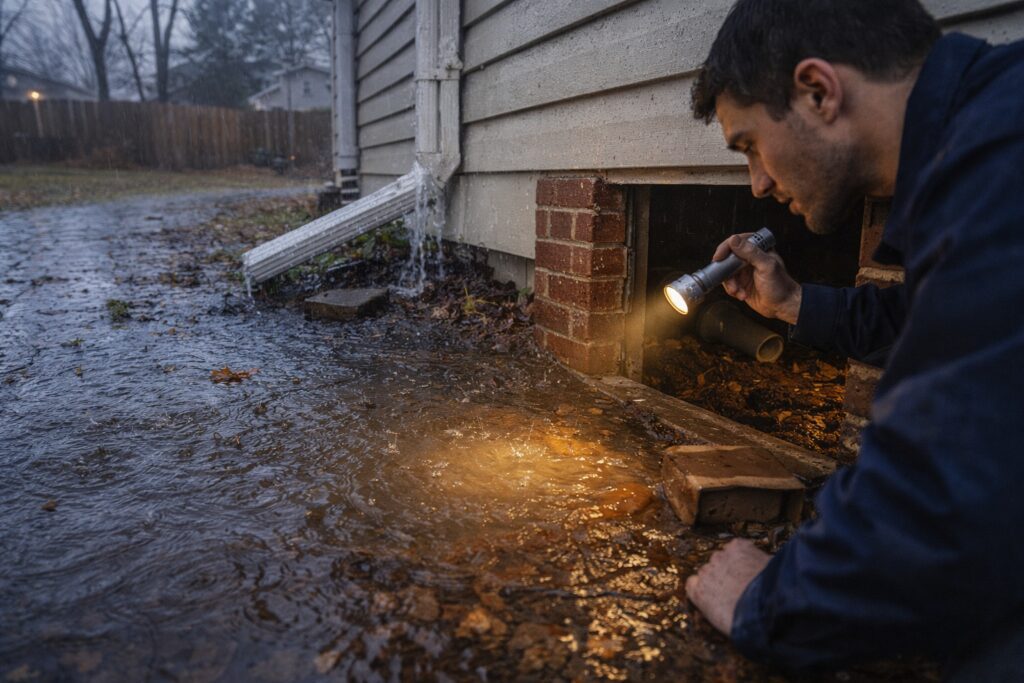
When Winter Weather Turns Into Water Damage Winter in Georgia and South Carolina may not bring blizzards, but the season creates the perfect storm for hidden leaks. Cold snaps, freezing nights, heavy rain, and increased heater usage all put added stress on building materials and plumbing. The result is often silent: slow, unnoticed moisture behind

Winter Leaks, Hidden Damage: How Small Drips Turn Into Big Proble … Read More »

Scroll to Top