EnviroPro 360 Blog

Explore the EnviroPro 360 Blog for expert insights on environmental testing in Georgia and South Carolina, from mold to radon and beyond.

Historic homes are full of charm—but they may also hide mold and asbestos. Before you buy or renovate, here’s why expert testing matters more than ever.

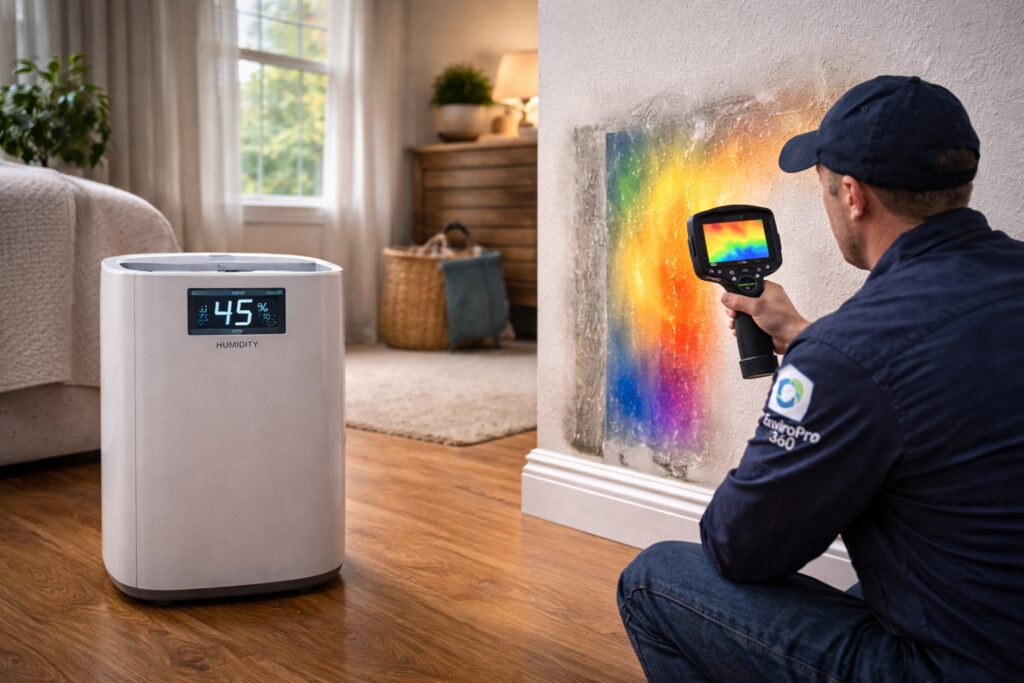
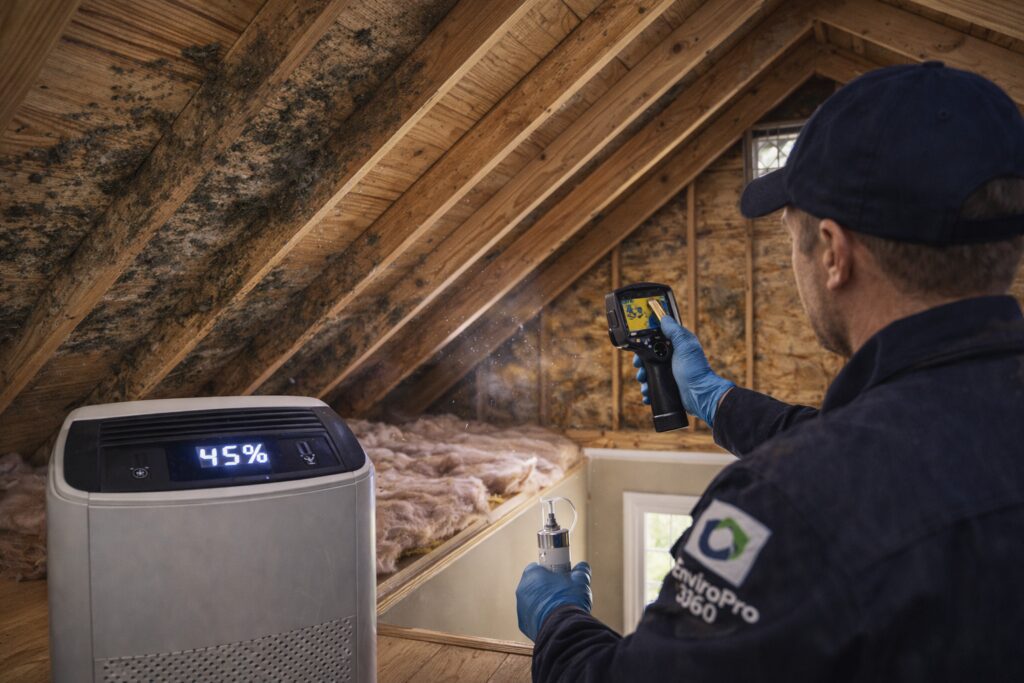
Humidity Is Back: Why Your Dehumidifier Might Be Lying to You

A dehumidifier running in your living room and showing 48 percent relative humidity can create confidence that indoor moisture is under control. That confidence is often misplaced. The reading reflects conditions in the air immediately around the unit. It says nothing about what is happening inside the crawl space below, the wall cavity behind the

Humidity Is Back: Why Your Dehumidifier Might Be Lying to You Read More »

Historic homes are full of charm—but they may also hide mold and asbestos. Before you buy or renovate, here’s why expert testing matters more than ever.

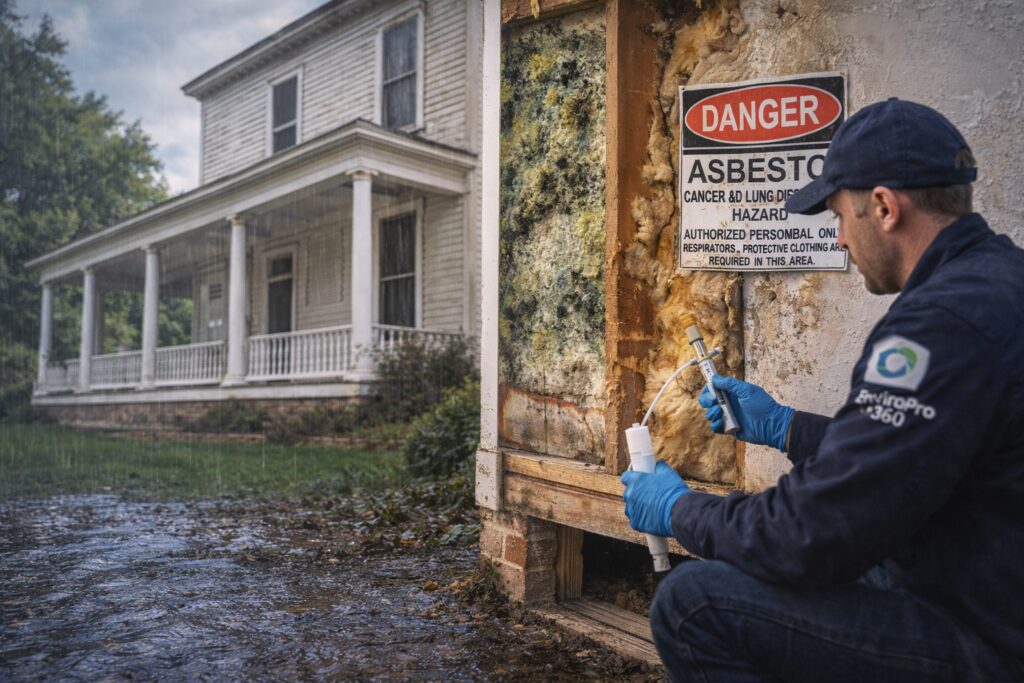
When Old Homes Hide New Hazards: Why Pre-1940s Properties Need Mo …

Augusta and the CSRA are full of pre-1940s homes with wide porches, original hardwoods, and the kind of architectural character that newer construction rarely matches. But those same homes were built before modern safety regulations existed. Asbestos was a standard construction material, moisture barriers were not required, and ventilation standards were decades away from being

When Old Homes Hide New Hazards: Why Pre-1940s Properties Need Mo … Read More »

Spring storms are on the way—don’t wait for water damage to strike. Here’s how to protect your home now and avoid costly mold and leak issues later.

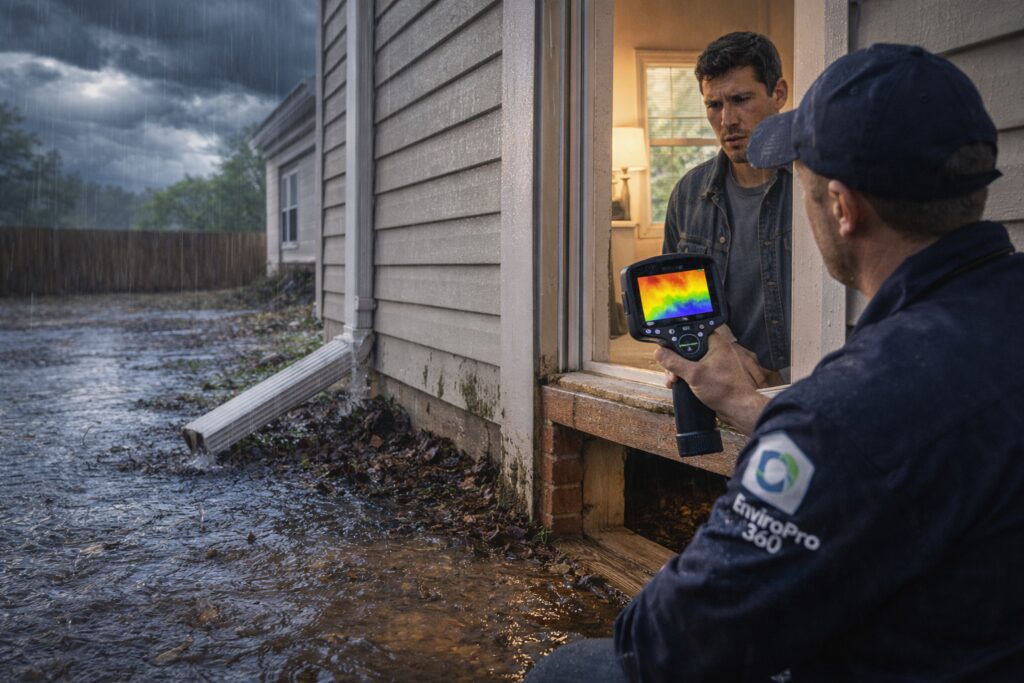
Storm Season Is Coming: What to Do Now to Prevent Water Intrusion

Storms in the Southeast aren’t just a spring concern—they’re a way of life. But too many homeowners don’t think about water damage until it’s already soaked into walls, floors, and insulation. By then, you’re not just dealing with moisture… you’re dealing with mold. The good news? You still have time to protect your home before

Storm Season Is Coming: What to Do Now to Prevent Water Intrusion Read More »

Bleach and elbow grease won’t cut it. Find out why scrubbing mold during spring cleaning often fails—and how professional testing makes all the difference.

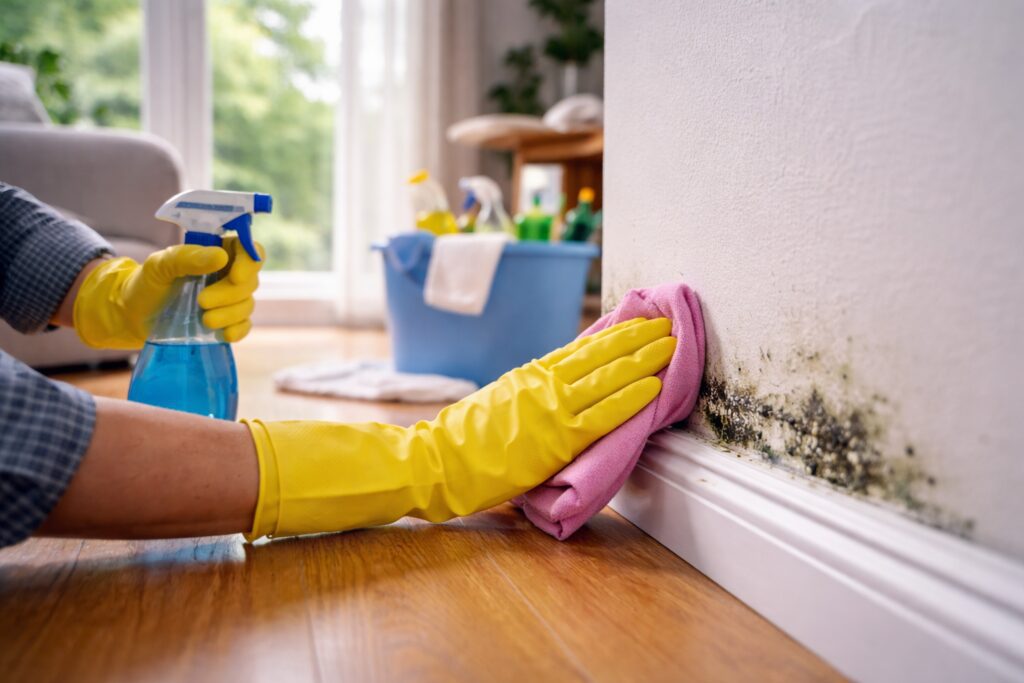
Spring Cleaning Mistake: Why Scrubbing Mold Isn’t Enough

There’s something about spring that makes you want to open the windows, wipe down every surface, and refresh your space. But there’s one mistake many people make during spring cleaning—and it can have long-term effects on your health and home. Scrubbing visible mold isn’t the same as getting rid of it.In fact, trying to clean

Spring Cleaning Mistake: Why Scrubbing Mold Isn’t Enough Read More »

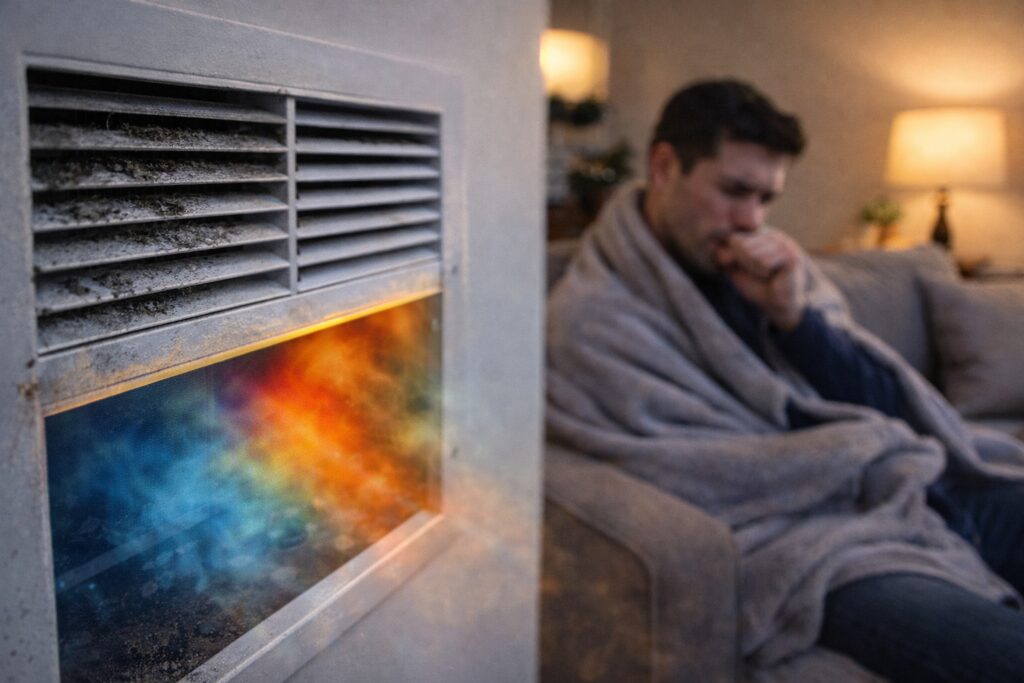
Persistent coughing indoors? Your HVAC system could be spreading hidden mold spores. Discover the warning signs and how EnviroPro 360 detects what’s in your air.

Coughing That Won’t Quit? It Could Be Mold Hiding in Your HVAC

In Augusta and the CSRA, HVAC systems run for most of the year. Cooling begins in April and often does not stop until October. Heating fills the gap. That near-continuous operation, combined with the region’s humidity, creates ideal conditions for mold growth inside ductwork, drain pans, and air handler components — where the mold stays

Coughing That Won’t Quit? It Could Be Mold Hiding in Your HVAC Read More »

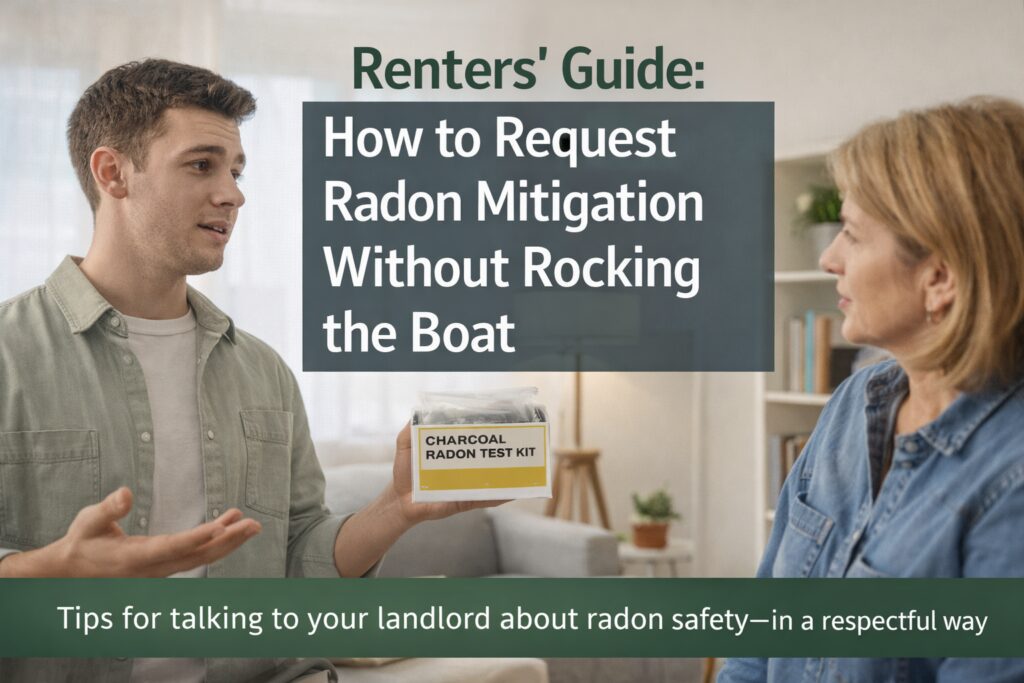
Worried about radon in your rental? Learn how to ask your landlord for testing or mitigation—respectfully and effectively—without conflict.

Renters’ Guide: How to Request Radon Mitigation Without Rocking …

Renters in Georgia and South Carolina often face a specific challenge with radon: landlords are not legally required to test or disclose radon levels, so the conversation may never happen unless the tenant initiates it. This post is a practical guide for tenants who want to raise radon concerns without creating unnecessary conflict with their

Renters’ Guide: How to Request Radon Mitigation Without Rocking … Read More »

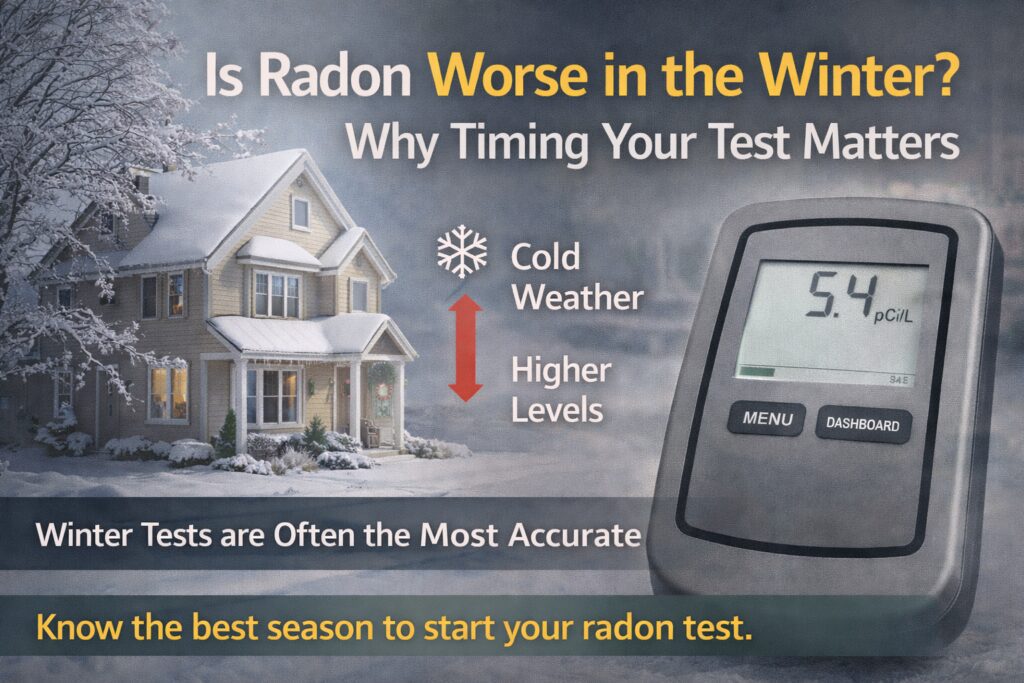
Winter can trap radon inside your home, causing higher levels. Learn why cold weather is the best time to test for radon and protect your household.

Is Radon Worse in the Winter? Why Timing Your Test Matters

Radon concentrations in homes are not constant. They fluctuate with weather conditions, ventilation patterns, and seasonal changes in how a home is occupied and sealed. Of all the variables that affect indoor radon levels, cold weather is one of the most consistent drivers of elevated readings. If you are scheduling a radon test and want

Is Radon Worse in the Winter? Why Timing Your Test Matters Read More »

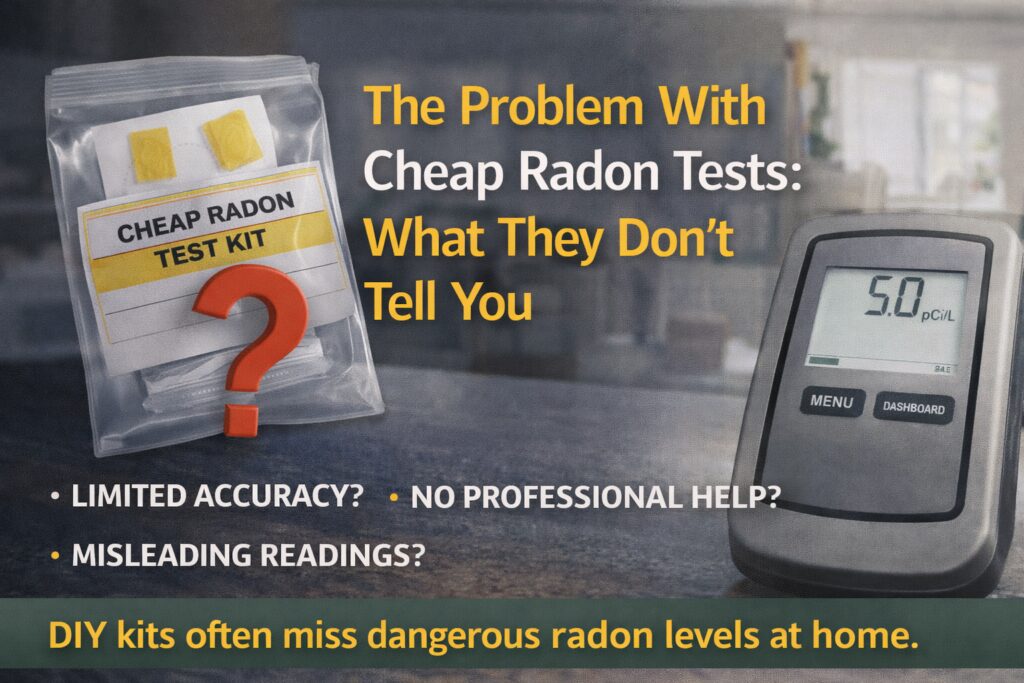
Think your $10 radon test is enough? Discover the hidden dangers of cheap DIY radon kits and why professional testing could save your health—and your home.

The Problem With Cheap Radon Tests: What They Don’t Tell You

Hardware stores and home improvement retailers carry radon test kits priced between $10 and $30. Online marketplaces stock digital radon monitors with real-time readings. On the surface, these products seem like an efficient way to check for a problem that has no visible symptoms. But the limitations of low-cost radon tests are significant, and relying

The Problem With Cheap Radon Tests: What They Don’t Tell You Read More »

Scroll to Top