
EnviroPro 360 Blog

Explore the EnviroPro 360 Blog for expert insights on environmental testing in Georgia and South Carolina, from mold to radon and beyond.

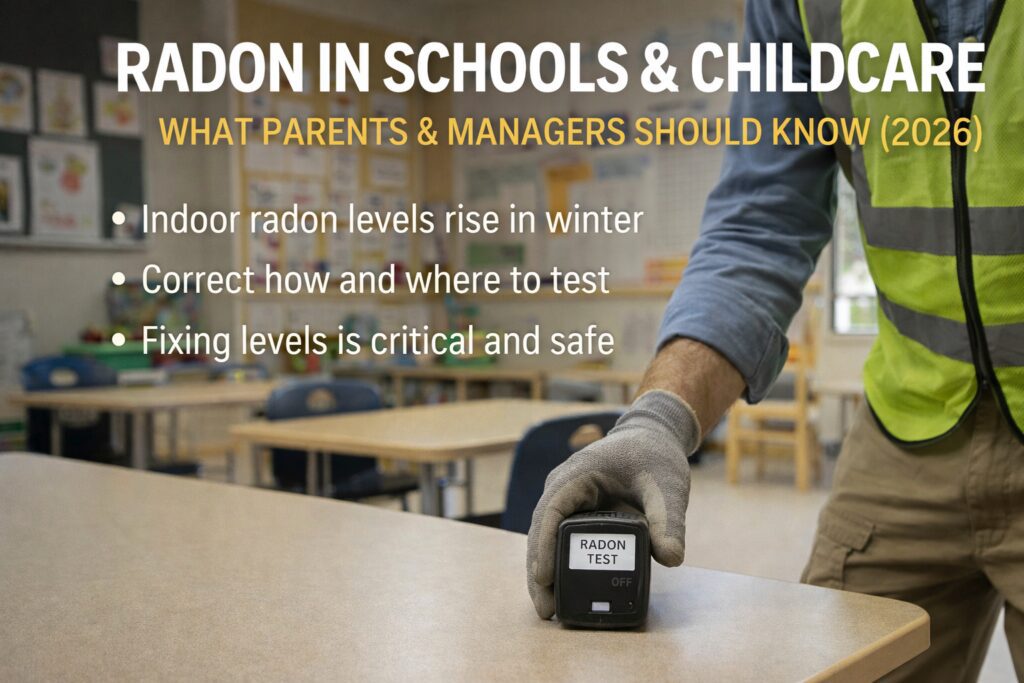
A seller’s radon test might not tell the whole story. If you’ve just bought a home, here’s why it’s smart—and safe—to schedule a second test now.

Just Bought a Home? Here’s Why You Should Still Test for Radon� …

Home buyers in Georgia and South Carolina often receive a radon test result as part of the transaction disclosure process. The seller arranges a test, the result comes back below the EPA action level of 4.0 pCi/L, and the buyer moves forward satisfied that radon has been addressed. But a seller’s test result is not

Just Bought a Home? Here’s Why You Should Still Test for Radon� … Read More »
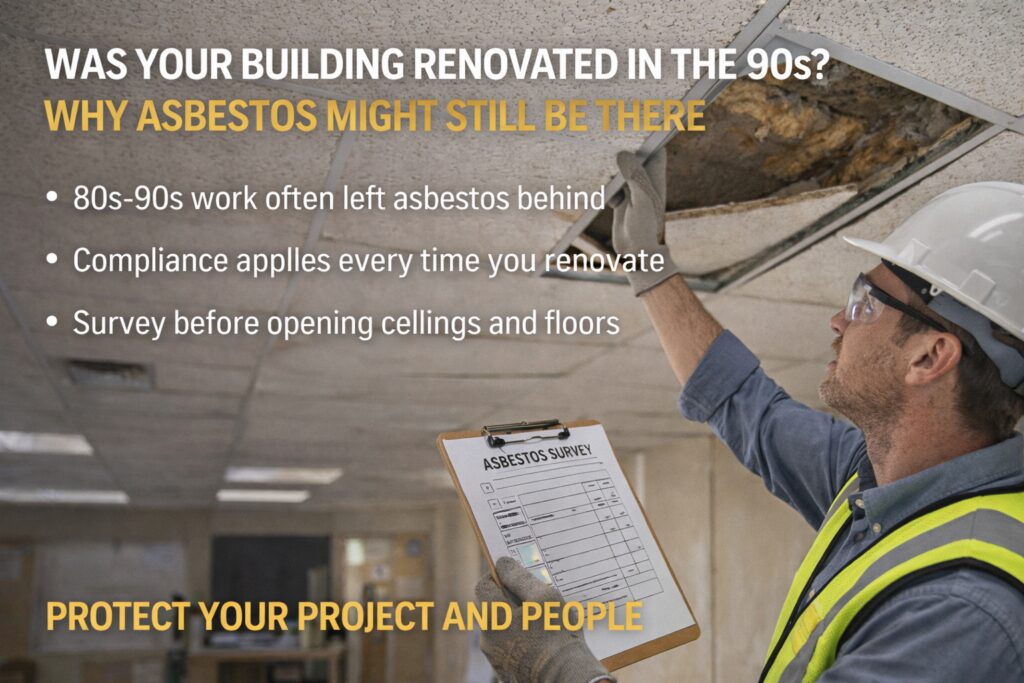
Renovated ≠ asbestos-free. 80s–90s projects often encapsulated asbestos instead of removing it. Here’s where it still hides, what triggers testing today, and how EnviroPro 360 keeps GA & SC properties compliant

Was Your Building Renovated in the 90s? Why Asbestos Might Still …

The 90s remodel myth: “We already took care of asbestos.” A lot of commercial and institutional properties across Georgia and South Carolina got facelifts in the late 80s and 90s—new ceilings, carpet over tile, mechanical upgrades. But many of those projects encapsulated asbestos-containing materials (ACM) rather than removing them, because leaving intact ACM and sealing

Was Your Building Renovated in the 90s? Why Asbestos Might Still … Read More »

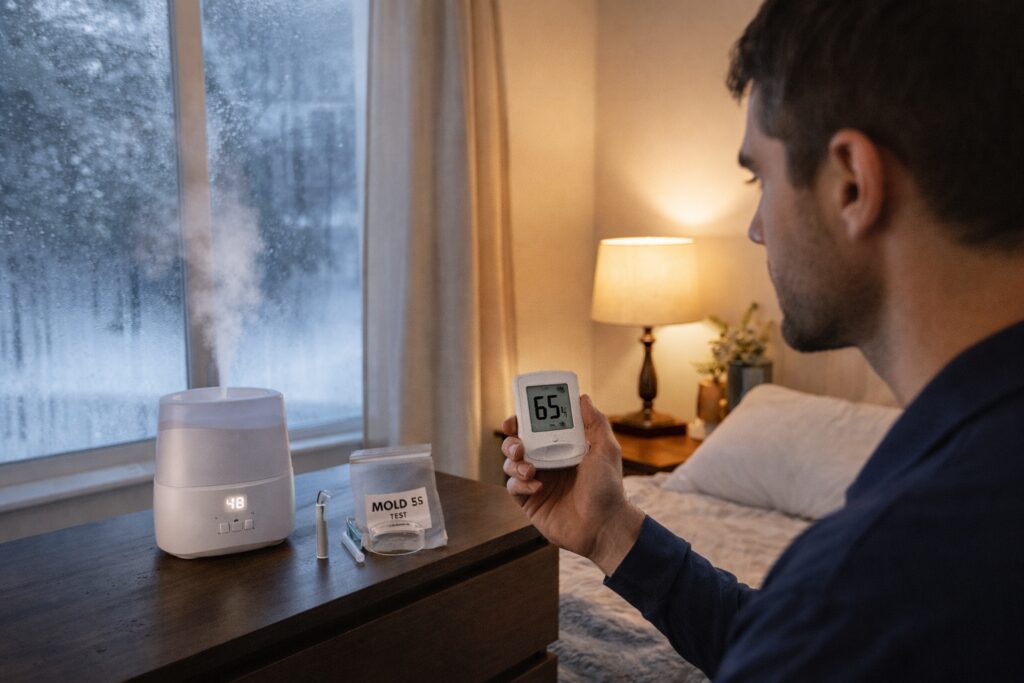
Winter humidifiers can improve comfort—but they can also become hidden sources of mold. Find out how to use them safely and when to call EnviroPro 360 for testing.

Why Your Humidifier Could Be Making You Sick: The Hidden Mold Ris …

Portable and whole-house humidifiers are common in Augusta and CSRA homes during winter, when forced-air heating systems reduce indoor relative humidity and occupants experience dry skin and irritated sinuses. Used correctly, a humidifier improves comfort. Used incorrectly or infrequently cleaned, it introduces a reliable moisture source for indoor mold growth in the very rooms where

Why Your Humidifier Could Be Making You Sick: The Hidden Mold Ris … Read More »

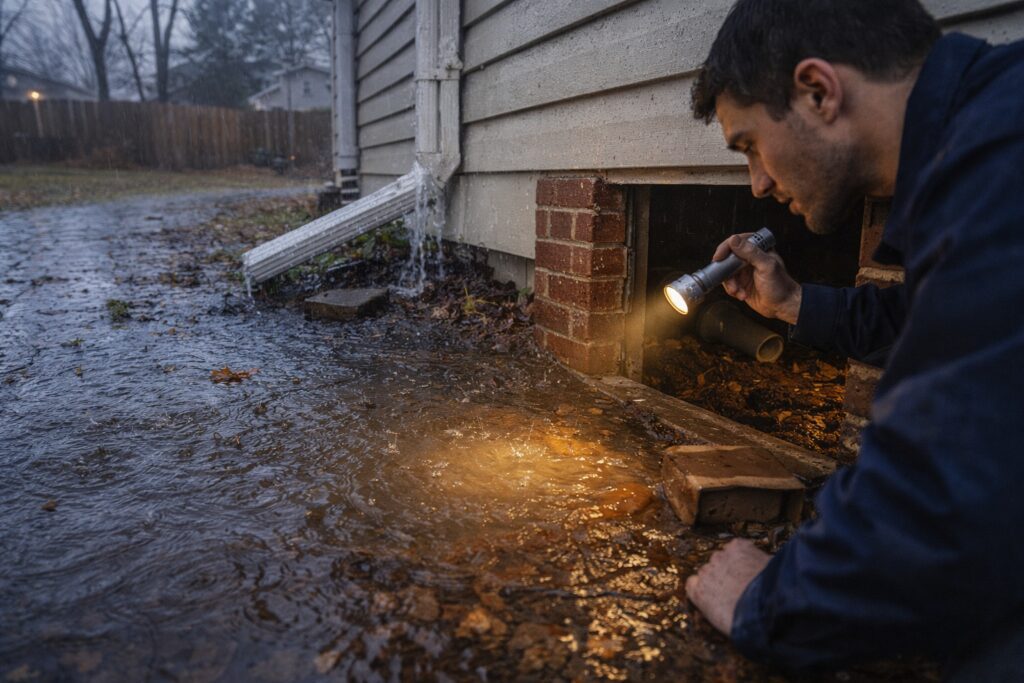
Don’t let winter rain sneak mold into your crawl space or basement. February moisture can lead to March mold—here’s what to look for and how to stop it early.

Rainy Season Warning: Why February Showers Could Lead to March Mo …

February in Augusta does not feel like winter the way it does further north. Temperatures swing between the low 30s and mid-60s within a single week, and the month averages four to five inches of rainfall, often arriving in multi-day storm events rather than brief showers. The soil across much of the CSRA is clay-heavy,

Rainy Season Warning: Why February Showers Could Lead to March Mo … Read More »

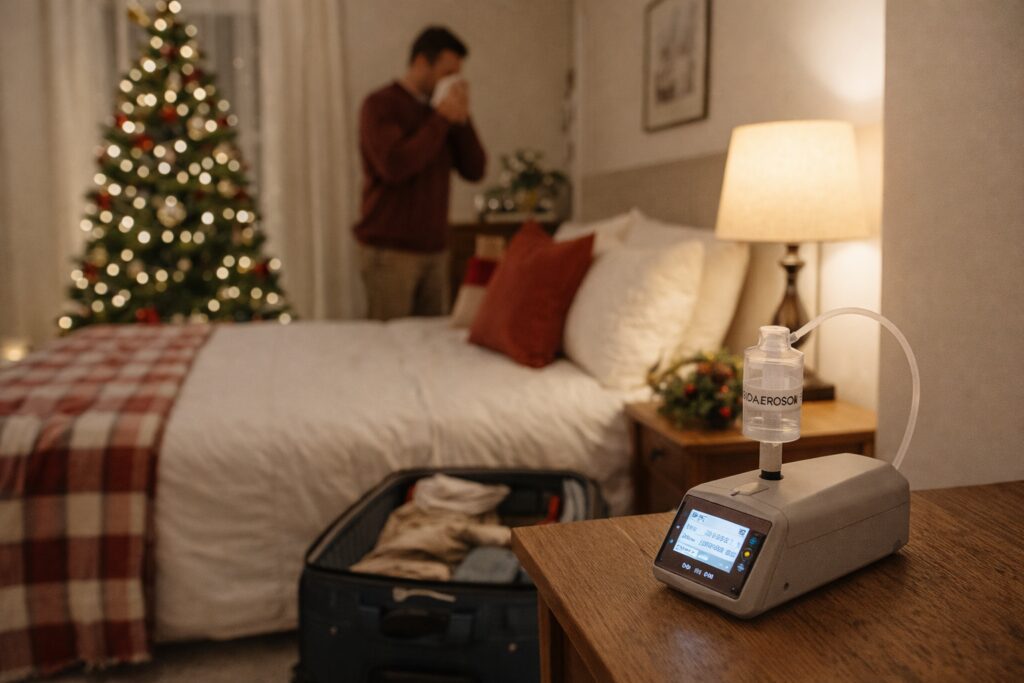
If holiday guests bring sneezes instead of cheer, your unused guest room may be to blame. Learn how mold and allergens build up—and how to fix it before visitors arrive.

What’s Lurking in Your Guest Room? Why Holiday Visitors Trigger …

Every Thanksgiving, a family in Evans opens up the guest bedroom for the first time since spring. The room has been closed off, vents partially shut to save on heating costs. Within an hour of the first overnight guest settling in, the sneezing starts. By morning, someone has taken allergy medication and is wondering whether

What’s Lurking in Your Guest Room? Why Holiday Visitors Trigger … Read More »

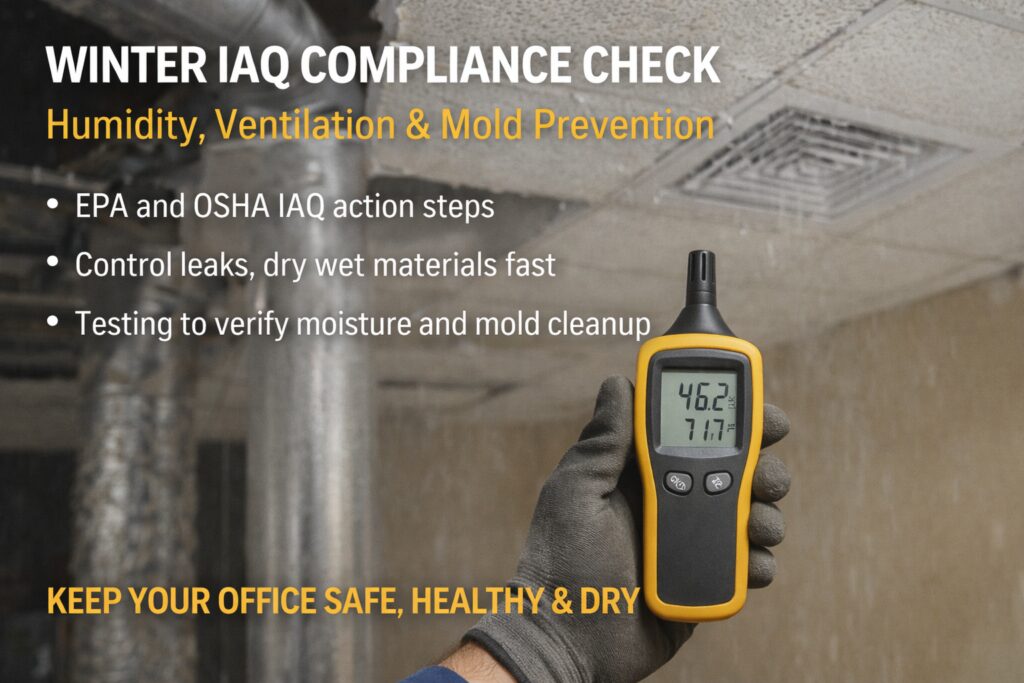
Heating season can trap moisture and spores indoors. Use these practical, standards-informed steps to prevent mold and protect indoor air quality this winter in Georgia and South Carolina.

Winter HVAC & Indoor Air Quality: Stop Mold Before It Starts

Why winter raises mold risk Winter means closed windows, drier outdoor air, and long HVAC run times. Warm, humid indoor air meets cold surfaces (windows, exterior walls, poorly insulated ducts) and condenses, creating damp pockets inside walls, above ceiling tiles, and around supply diffusers. If wet materials are not dried within roughly 24 to 48

Winter HVAC & Indoor Air Quality: Stop Mold Before It Starts Read More »

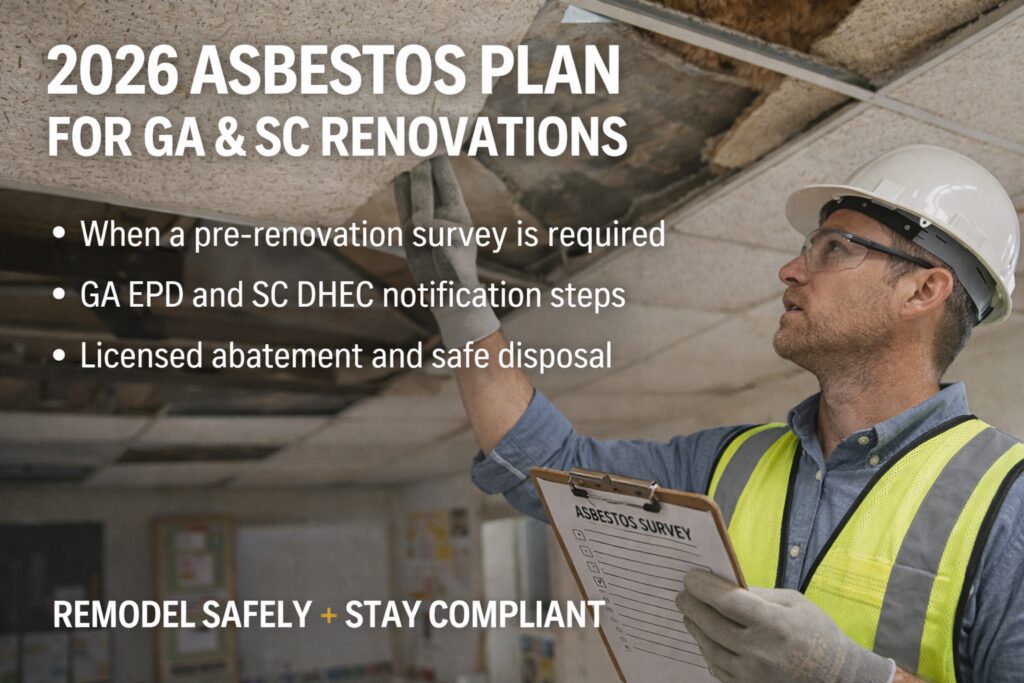
Winter fit-outs move fast. Use this step-by-step plan to meet asbestos survey, notification, and work-practice rules in Georgia and South Carolina—before demo or renovation starts.

Your NESHAP-Ready Asbestos Plan for Renovations in Georgia and So …

EPA’s Asbestos NESHAP sets work practices that must be followed during demolition and renovation of facilities — institutional, commercial, industrial, public, and most multi-unit residential buildings. There is a limited exemption for residential buildings of four or fewer dwelling units, but that exemption has edges that trip up project managers regularly. If you’re planning a

Your NESHAP-Ready Asbestos Plan for Renovations in Georgia and So … Read More »

New Year’s cleaning could reveal more than you expect. From musty attics to moldy cardboard boxes, here’s what to look for when decluttering this winter.

Is Your New Year’s Decluttering Revealing Mold?

January is the season of fresh starts. Many homeowners and renters use the post-holiday slowdown to clear out closets, garages, and storage spaces that have gone undisturbed for months. Pulling boxes from corners, moving furniture away from walls, opening bins that sat sealed through fall and winter — that process regularly turns up something no

Is Your New Year’s Decluttering Revealing Mold? Read More »

Scroll to Top