A radon result above the EPA action level discovered during a real estate transaction is not a reason to walk away from a home. It is a known, fixable condition with a documented remediation method and a predictable cost. How that result is handled by buyers, sellers, and their agents determines whether it becomes a problem or a resolved item at closing.
This post covers how radon testing works during a home sale in Georgia and South Carolina, what the results mean, and how to navigate the negotiation that typically follows an elevated finding.
Why Radon Testing Belongs in Every Transaction
Radon is a naturally occurring radioactive gas that seeps into buildings from the soil. According to the EPA, it is the second leading cause of lung cancer in the United States, responsible for an estimated 21,000 deaths annually. It cannot be detected by smell, sight, or any standard home alarm. The only way to know whether a property has elevated radon is to test it.
Radon levels vary dramatically from one house to the next, even between neighboring homes on the same street. Foundation type, soil composition, construction methods, and seasonal conditions all influence how much radon enters a specific building. A home’s age, price point, or location in a low-risk EPA zone does not guarantee low radon. Individual homes in EPA Zone 2 and Zone 3 areas across the CSRA regularly test above the 4.0 pCi/L action level.
Consider a buyer in Evans who declines radon testing on a 2004-built home, assuming newer construction in a moderate-risk county is automatically safe. A year after closing, out of curiosity, they test. The result is 7.8 pCi/L. The mitigation system they now need would have cost $1,200 — a cost that could have been negotiated into the sale price if they had tested during the inspection period. The Georgia Department of Public Health has documented elevated readings in every region of the state and in homes of all ages.
How Testing Works During a Transaction
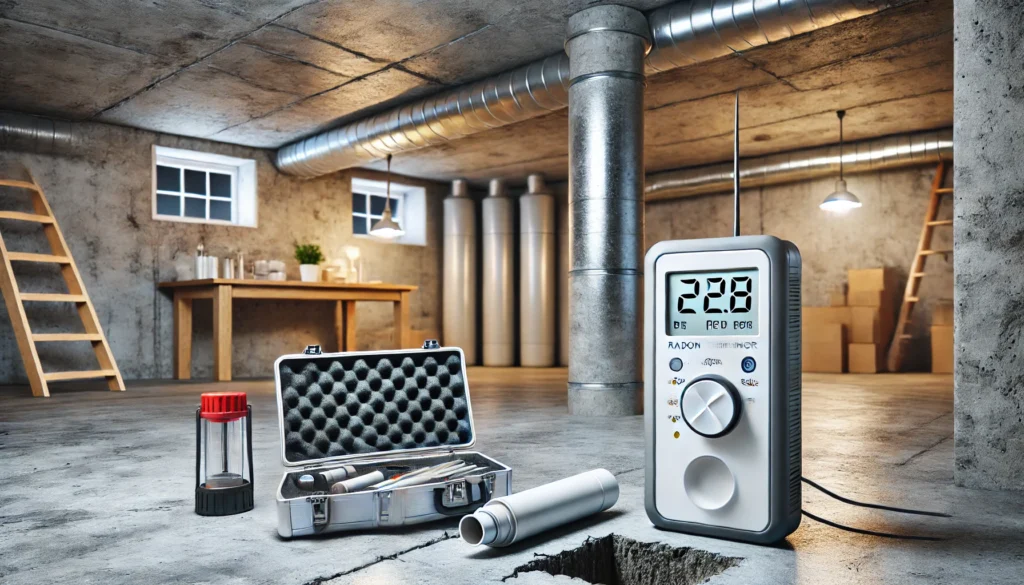
Radon testing is typically scheduled during the inspection period, alongside the standard home inspection. A short-term test runs 48 to 96 hours. The device is placed in the lowest livable level of the home with doors and exterior windows kept closed during the test period.
Continuous radon monitors (CRMs) are the preferred method for real estate transactions. These electronic instruments record radon levels hour by hour and produce an average concentration along with a detailed activity log. The log tracks temperature and humidity and can identify if the device was moved or if windows were opened, which would invalidate the test. CRMs provide more defensible results than passive charcoal canisters for transaction purposes.
In Georgia and South Carolina, radon testing during a real estate transaction is typically the buyer’s expense, similar to the home inspection. Professional testing generally runs $150 to $250.
Understanding the Results
The CDC and EPA use the same action level: 4.0 pCi/L (picocuries per liter, the standard unit for radon concentration in air).
- Below 2.0 pCi/L: Low result. No action required. The EPA acknowledges that reducing levels below 2.0 pCi/L is difficult, and the risk at this level is minimal relative to other everyday exposures.
- 2.0 to 3.9 pCi/L: Below the action level but not risk-free. The EPA suggests considering mitigation in this range. The World Health Organization’s reference level is 2.7 pCi/L. Some buyers request mitigation; some do not. It is a legitimate discussion.
- 4.0 pCi/L and above: At or above the EPA action level. Mitigation is recommended. In a real estate context, this typically triggers negotiation.
How Negotiations Typically Work
When a buyer’s test comes back at or above 4.0 pCi/L, several paths are common:
Seller installs mitigation before closing. The most common resolution. The seller hires a certified mitigation contractor to install a sub-slab depressurization system. Cost typically runs $800 to $1,500 for a standard slab home in the CSRA. A post-mitigation test confirms the system achieved safe levels before the transaction closes.
Seller provides a closing credit. Some sellers offer a credit equal to the estimated mitigation cost rather than managing the installation themselves. The buyer then coordinates the contractor and timing after closing.
Price reduction. Less common, but radon findings can be factored into a broader negotiation on price alongside other inspection items.
Buyer accepts and mitigates after closing. The buyer can choose to accept the condition and address it after closing. This is the buyer’s prerogative, but it means absorbing full cost and timeline without seller contribution.
For Sellers: The Case for Testing Before Listing
Sellers who test before listing have significant advantages. If the home tests below 4.0 pCi/L, that result can be shared with prospective buyers as a positive disclosure, removing radon from the list of unknowns that might trigger concern. If the home tests high, the seller can install mitigation on their own timeline, before listing, and market the property with a completed system tested to 1 or 2 pCi/L. That is a stronger position than having a buyer discover elevated radon during their inspection period and use it as negotiating leverage.
Neither Georgia nor South Carolina requires radon testing or disclosure during real estate transactions, but the general duty to disclose known material defects applies in both states. A seller who has tested and knows their radon level is elevated carries disclosure obligations they would not have if they had simply never tested.
EnviroPro 360 and Real Estate Radon Testing
EnviroPro 360 provides certified radon testing for buyers, sellers, and real estate agents throughout Augusta, Evans, Martinez, Grovetown, North Augusta, Aiken, and surrounding communities in Georgia and South Carolina. Whether you need a fast result for an inspection deadline or a post-mitigation confirmation test before closing, contact us to schedule testing and get certified documentation you can use in the transaction.