Here’s an example scenario: a two-year-old in an Augusta neighborhood spends most of her day on the floor, doing what two-year-olds do: crawling, putting her hands in her mouth, chewing on window sills. The house was built in the 1960s. The paint around the windows has been chipping for years, creating a fine dust that settles on the sill, the floor, and every surface within reach. At her next well-child visit, her blood lead level comes back elevated — above the CDC’s blood lead reference value of 3.5 µg/dL.
It’s not a rare situation in Augusta. According to Georgia Health News, Richmond County has three of the top 20 ZIP codes in Georgia for elevated blood lead levels in children, with at least 12% of tested children in those areas showing levels above 5 µg/dL. HUD has directed $3.3 million to the county to remediate lead hazards in older homes.
There is no safe level of lead exposure for children. The damage it causes is permanent, largely irreversible, and entirely preventable.
How Lead Exposure Happens
Lead-based paint is the primary source of childhood lead exposure in the United States. The federal government banned lead in residential paint in 1978, but an estimated 29 million housing units still contain lead-based paint, according to HUD. In the Augusta area, with its substantial inventory of homes built in the 1940s through 1970s, lead paint is common.
The danger isn’t the paint on the wall. Intact lead paint that’s well-maintained and covered by newer coats poses minimal risk. The danger is deterioration.
Paint Deterioration and Dust
When lead paint ages, weathers, or is subject to friction, it breaks down into chips and dust. Window sills and window wells are the most significant source because opening and closing windows grinds painted surfaces together, generating fine lead dust with every use. Door frames, stair railings, and baseboards experience similar friction wear.
Lead dust particles are extremely small and settle on floors, furniture, toys, and hands. For an adult, this is a minor concern. For a child between 6 months and 6 years old, it’s a direct exposure pathway.
Hand-to-Mouth Behavior
Young children explore their world by touching everything and putting their hands, toys, and objects in their mouths constantly. A child playing on a floor contaminated with lead dust ingests that dust throughout the day. A child teething on a window sill coated with deteriorating lead paint is ingesting paint chips directly.
The EPA estimates that children absorb 40% to 50% of ingested lead, compared to about 10% for adults. Their smaller body weight means a given amount of lead produces higher blood concentrations. Their developing nervous systems are far more susceptible to damage.
Soil Contamination
Exterior lead paint that has deteriorated over decades deposits lead into the soil directly around a home’s foundation. Children who play in this soil, particularly in bare patches near the house, can ingest lead through hand-to-mouth contact. In areas where homes were painted with lead paint for 30 or 40 years, soil lead concentrations can be substantial.
What Lead Does to a Child’s Body
Lead is a neurotoxin. It interferes with the normal development of the brain and nervous system in ways that cannot be undone after the fact.
Cognitive effects. Even low-level lead exposure is associated with reduced IQ, decreased academic achievement, and impaired concentration and attention. The CDC states that there is no identified safe blood lead level in children, and that even blood lead levels below 3.5 µg/dL can affect a child’s ability to learn.
Behavioral effects. Lead exposure is associated with increased rates of hyperactivity, impulsivity, and behavioral problems. Some research has linked childhood lead exposure to increased risk of attention deficit disorders.
Physical effects. At higher levels, lead exposure can cause anemia, kidney damage, abdominal pain, and in severe cases, seizures, coma, and death. These acute effects are less common today but still occur in cases of significant exposure.
Permanence. The neurological damage from childhood lead exposure is not reversible. Medical treatment (chelation therapy) can lower blood lead levels but does not undo the developmental harm that has already occurred. Prevention is the only effective strategy.
Who Is Most at Risk
Children under 6, especially those between 1 and 3 years old, are at highest risk because of their hand-to-mouth behavior, their proximity to floor surfaces, and their developing nervous systems.
Children in pre-1978 housing with deferred maintenance. Homes where paint is peeling, chipping, or flaking present the most immediate risk. Rental properties with absentee landlords are a common concern.
Children in homes undergoing renovation. Renovation activities in older homes can generate enormous amounts of lead dust if proper containment and work practices aren’t followed. The EPA’s RRP Rule requires certified contractors and specific work practices when renovating pre-1978 housing, specifically because of this risk.
Low-income families. Older, affordable housing is more likely to contain lead paint and more likely to have deferred maintenance. This creates a disproportionate burden on families with fewer resources to address the problem.
What Testing Involves
Blood Lead Testing
The definitive way to determine if a child has been exposed to lead is a blood test. The CDC recommends blood lead screening for children at ages 1 and 2, and for any child up to age 6 who has not been previously tested. Georgia Medicaid requires lead screening for enrolled children at 12 and 24 months.
The current CDC blood lead reference value is 3.5 µg/dL. Children with blood lead levels at or above this value have more lead in their blood than 97.5% of U.S. children. This triggers follow-up actions including environmental investigation and repeat testing.
Home Lead Testing
If a child has an elevated blood lead level, or if you want to assess your home proactively, Professional lead testing identifies which surfaces contain lead-based paint and whether lead hazards exist.
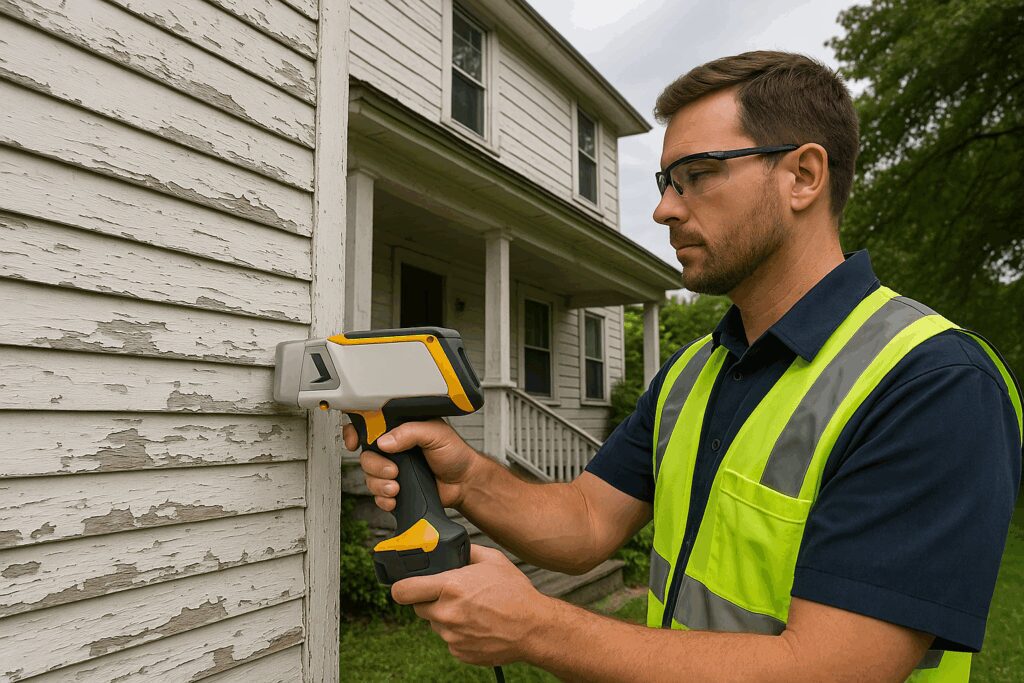
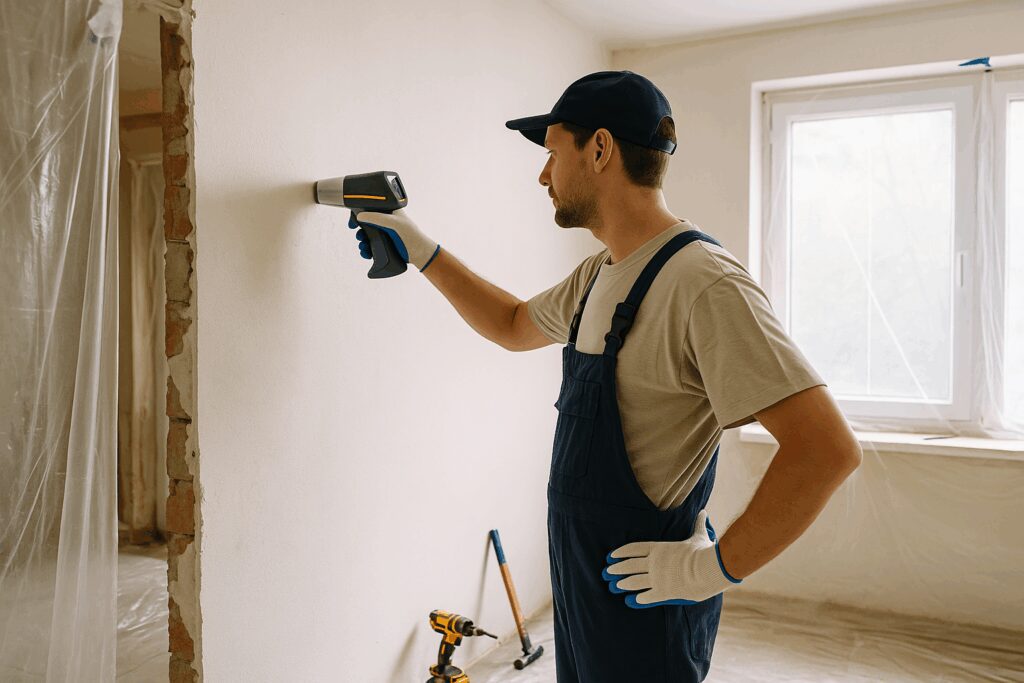
A certified lead inspector can test painted surfaces using an XRF analyzer (X-ray fluorescence, a handheld device that detects lead through paint layers without damaging the surface) or by collecting paint chip samples for laboratory analysis. Dust wipe samples from floors and window sills measure the amount of lead dust present on surfaces where children are most likely to be exposed.
What You Can Do
-
Get your child tested. If your child lives in or regularly visits a home built before 1978, ask your pediatrician about blood lead screening. Early detection allows you to identify and eliminate the exposure source before further damage occurs.
-
Inspect your home’s paint condition. Walk through your home and look for peeling, chipping, or flaking paint, especially on window sills, door frames, and baseboards. If you find deteriorating paint in a pre-1978 home, assume it may contain lead and take action.
-
Clean smart. Wet-mop hard floors rather than sweeping (which disperses dust). Use a damp cloth on window sills and horizontal surfaces. Wash children’s hands frequently, especially before meals. These simple steps significantly reduce lead dust ingestion.
If you’re concerned about lead in your home, or if your child has tested with elevated blood lead levels and you need your home assessed, the EnviroPro 360 team can help identify the source. Reach out here and we’ll help you figure out the next steps.