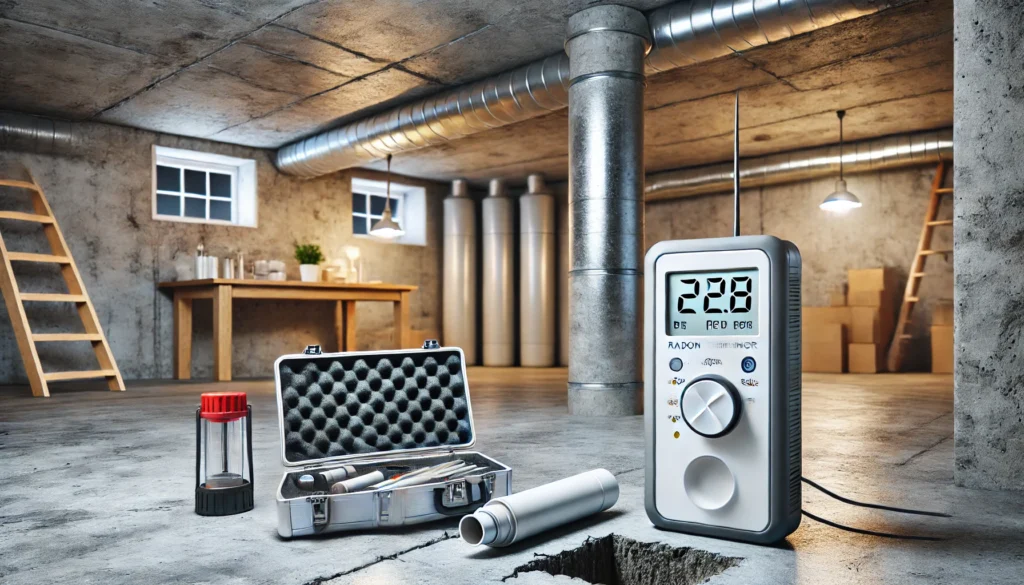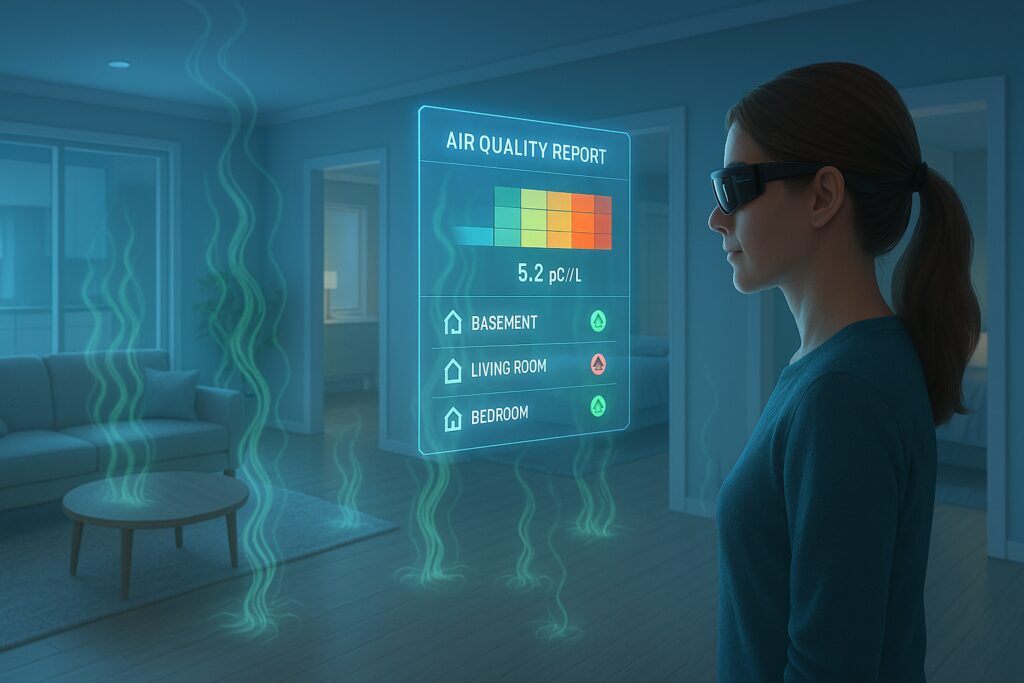
When most people think about radon, they picture basements, crawl spaces, or older single-family homes. But what if you live in an apartment?
Can radon still be a problem?
The answer is yes. Apartments can have radon, and many renters do not realize they could be breathing it every day.
Radon is invisible. You cannot smell it, see it, or taste it. That means your apartment can look clean, smell fresh, and still have elevated radon levels hiding in the air.
What Is Radon?
Radon is a naturally occurring radioactive gas that comes from the breakdown of uranium in soil and rock. It moves up from the ground and can enter buildings through cracks, gaps, drains, crawl spaces, and foundations. The U.S. Environmental Protection Agency estimates radon causes approximately 21,000 lung cancer deaths in the United States each year, making it the second leading cause after smoking.
Once inside, radon can build up, especially in areas with poor ventilation.
According to the Centers for Disease Control and Prevention, long-term exposure to elevated radon levels is the second leading cause of lung cancer in the U.S. Both smokers and non-smokers face risk from extended exposure.
How Can Radon Get Into an Apartment?
Even though you may not own the building, your apartment still sits inside a structure connected to the ground.
Radon can enter through:
- Foundation cracks
- Concrete slab openings
- Crawl spaces
- Utility pipe gaps
- Basement or ground-level units
- Shared ventilation pathways
- Stairwells and utility chases
If you live on the first floor, garden level, or above a basement or crawl space, your risk may be higher. But upper-floor renters should not assume they are automatically safe either. Radon can move through apartment buildings depending on airflow and construction.
Are Ground-Floor Apartments More at Risk?
Usually, yes.
Because radon comes from the soil, units closest to the ground are often more likely to have elevated levels. That includes:
- Basement apartments
- Garden-level apartments
- First-floor units
- Apartments above crawl spaces
- Units in older buildings with foundation cracks
But every building is different. Two apartments in the same complex can have different radon levels.
That is why the only way to know is to schedule professional radon testing.
Why Renters Often Miss the Warning Signs
Here is the tricky part: radon does not create obvious warning signs.
There is no smell.
There is no stain.
There is no visible damage.
There is no immediate physical sensation.
That means renters may live in an apartment for months or years without knowing there is a problem.
And because many lease agreements do not mention radon, tenants may never think to ask about it.
Questions Renters Should Ask Their Landlord
Before signing or renewing a lease, ask:
- Has this apartment building ever been tested for radon?
- Do you have recent radon test results?
- Has this specific unit been tested?
- Are lower-level units tested regularly?
- What happens if radon levels are above the EPA action level?
- Will the landlord allow professional testing?
If the landlord cannot answer these questions, that does not necessarily mean there is a problem. But it does mean you should consider scheduling a professional radon test to document your apartment’s air quality.
Can Renters Schedule Their Own Radon Test?
In many cases, yes. A basic radon test is non-invasive and does not damage the property.
However, professional apartment radon testing is often the better choice because it gives you accurate documentation. That can be helpful if you need to speak with your landlord or property manager about next steps.
DIY kits may be inexpensive, but they can be easy to place incorrectly or misread. Professional testing gives you clearer answers.
What Happens If Radon Levels Are High?
If your apartment has elevated radon levels, do not panic. Radon problems can often be addressed with mitigation.
A landlord or property owner may need to look into:
- Building-wide testing
- Foundation sealing
- Improved ventilation
- Radon mitigation systems
- Crawl space treatment
- Retesting after mitigation
The important thing is to have reliable test results first.
Why Apartment Radon Testing Matters in Georgia and South Carolina
Radon levels can vary across Georgia and South Carolina, and some areas have known elevated readings. Even if your apartment complex looks new or well maintained, that does not guarantee the air is safe.
Radon risk depends on soil composition, construction type, ventilation, and building design.
That is why renters in Augusta, Aiken, Columbia, Greenville, and nearby areas should not ignore radon questions, especially in lower-level apartments.
The Bottom Line: Apartments Can Have Radon Too
If you rent, radon may not feel like your responsibility. But the air you breathe every day affects your health.
You do not have to own the property to care about indoor air safety.
If you live in an apartment, especially on a lower floor, above a crawl space, or in a building that has never been tested, now is a good time to ask questions and consider professional radon testing services.
Need Radon Testing for Your Apartment?
EnviroPro 360 helps renters, landlords, and property managers get clear answers with professional radon testing in Georgia and South Carolina.
If you are unsure whether your apartment has ever been tested, schedule testing before making assumptions about your air quality.
Schedule a professional radon test with EnviroPro 360 today. Contact us here to get started.