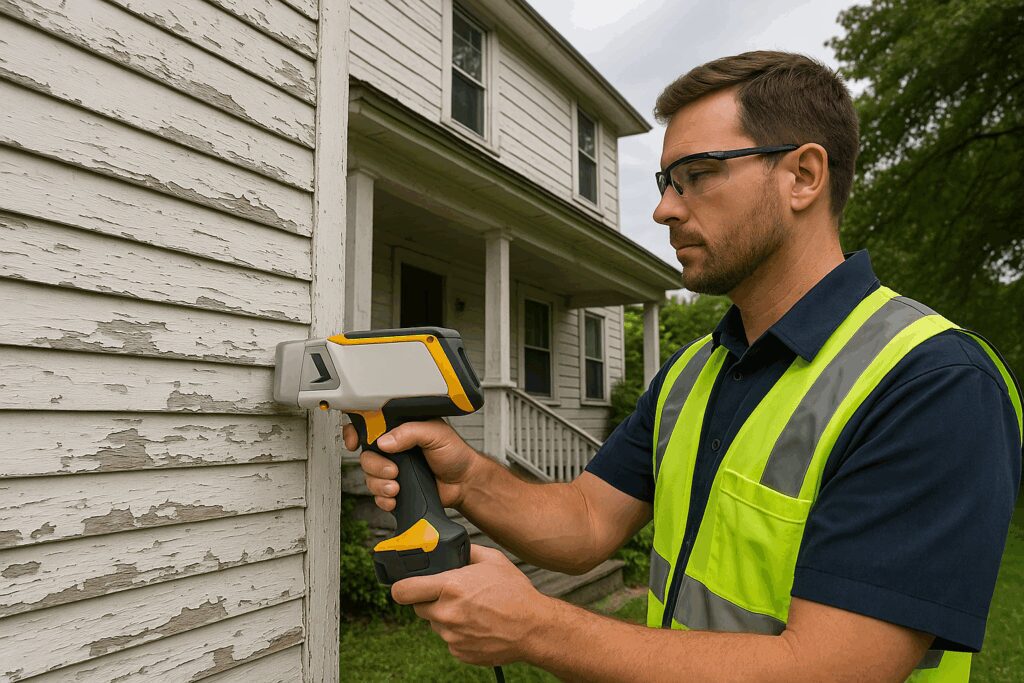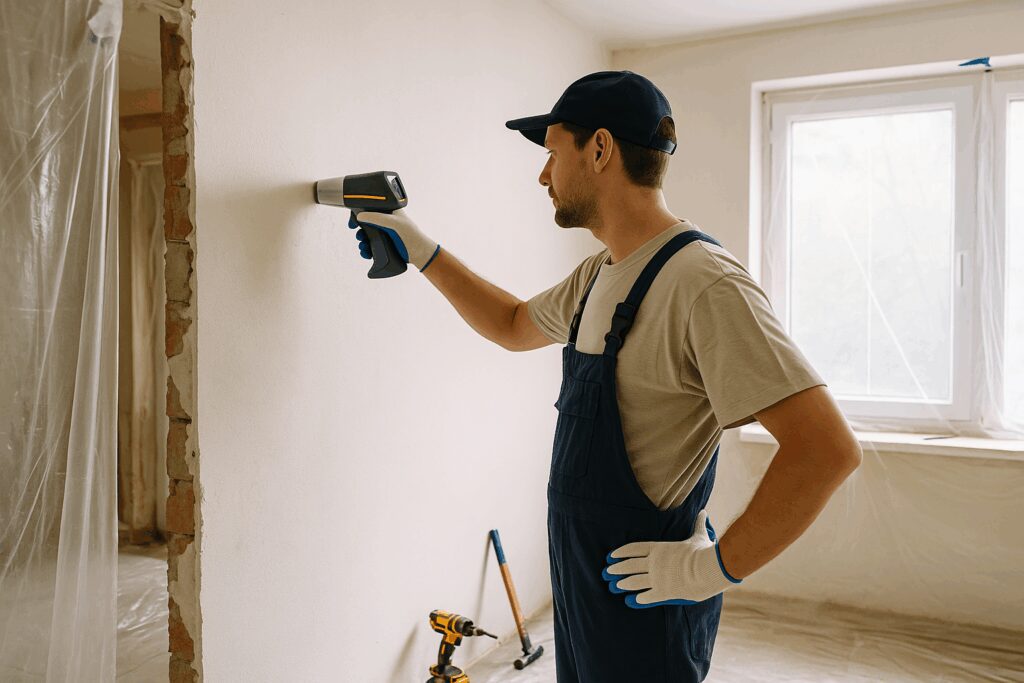
A homeowner in Aiken spent a weekend sanding old paint off the exterior trim of her 1962 house before repainting it herself. She’d heard about lead paint rules for contractors and figured, since she was doing the work herself, none of it applied to her. She wasn’t entirely wrong about the rule. She was wrong about the risk.
The EPA’s Renovation, Repair, and Painting (RRP) Rule requires certified contractors working on pre-1978 homes to follow specific lead-safe work practices: containment, minimizing dust, and proper cleanup verification. But the rule includes an explicit exemption for homeowners performing renovation work on their own home, as long as no child under six or pregnant woman resides there. That exemption covers legal obligation. It doesn’t change what’s in the paint or what happens when you disturb it.
What the Exemption Actually Says
The RRP rule applies to firms and individuals who perform renovation, repair, or painting work for compensation on pre-1978 housing and child-occupied facilities. Homeowners doing work on their own residence, without hiring anyone, fall outside that requirement. The logic behind the exemption is regulatory, not medical: the EPA structured the rule around contractor licensing and enforcement, which doesn’t extend to unpaid work a homeowner does on their own property.
That means there’s no certification requirement, no mandated dust containment protocol, and no cleanup verification standard that legally applies to the homeowner in that scenario. It does not mean the lead in a 1962 home’s exterior trim behaves any differently depending on who’s holding the sander.
Why This Matters More for DIY Work, Not Less
Contractors who are RRP-certified follow specific containment practices because they’re trained to and because inspectors can audit their work: plastic sheeting sealing off the work area, wet sanding or HEPA-filtered sanders instead of dry sanding, and a verified cleanup process using specialized cleaning methods before the area is considered safe.
Homeowners taking on the same project without that training often skip every one of those steps, not out of carelessness but because nobody told them the steps existed. Dry sanding lead paint, which was the exact activity in the Aiken example, is one of the most effective ways to generate fine lead dust and disperse it across a wide area, including tracked indoors on clothing and shoes.
According to the CDC, there is no safe blood lead level in children, and lead dust from renovation activities is a well-documented exposure pathway. The agency’s guidance on renovation-related exposure doesn’t distinguish between contractor-caused and homeowner-caused dust. Lead dust in a home affects whoever breathes it in, regardless of who created it.
The Exemption Has a Limit Worth Knowing
Even within the exemption, there’s a boundary that matters: if a child under six or a pregnant woman lives in the home, the homeowner exemption from RRP doesn’t apply the same way, and lead-safe practices become a much more direct health concern rather than a compliance question. Many CSRA households renovating older homes are doing so precisely because they’re growing into the space, adding a nursery, converting a room for a new baby, which is exactly the situation where this distinction matters most.
What Testing Before DIY Work Actually Tells You
The practical question isn’t “does the rule apply to me.” It’s “does this house have lead paint, and where.” Homes built before 1978 may contain lead-based paint, but not every surface does, and not every layer of paint in a repainted room does either. Testing before you start a project answers specific, useful questions:
- Is the paint you’re about to disturb lead-based? A EPA-recognized test kit can give a preliminary answer, though lab-based testing (paint chip analysis or XRF) is more reliable for a renovation decision.
- Which surfaces are affected? Older homes often have multiple paint layers from different eras. A window sash repainted in 1995 may sit on top of lead paint from 1965. Testing tells you which layers matter.
- How should you handle the specific surface you’re working on? Wet sanding, chemical stripping, or full removal and replacement are all options with different dust profiles, and the right choice depends partly on what’s actually in the paint.
What to Do If You’re Planning DIY Renovation on an Older Home
-
Test before you sand, scrape, or demo anything on a home built before 1978. This applies whether you’re hiring a contractor or doing the work yourself. The exemption changes who’s legally required to follow containment steps. It doesn’t change what’s in the paint.
-
If a child under six or a pregnant woman lives in the home, treat the project like the RRP rule applies, even if it technically doesn’t. Wet methods, HEPA vacuum cleanup, and keeping the work area sealed off from the rest of the house are worth the extra effort.
-
Keep test results on file. If you sell the home later or hire a contractor for a follow-up phase of the same project, documented results save time and answer questions before they’re asked.
If you’re planning renovation work on an older Augusta or CSRA home and want to know what’s in the paint before you start, EnviroPro 360 can test it. Reach out here and we’ll help you plan the project around what we find.