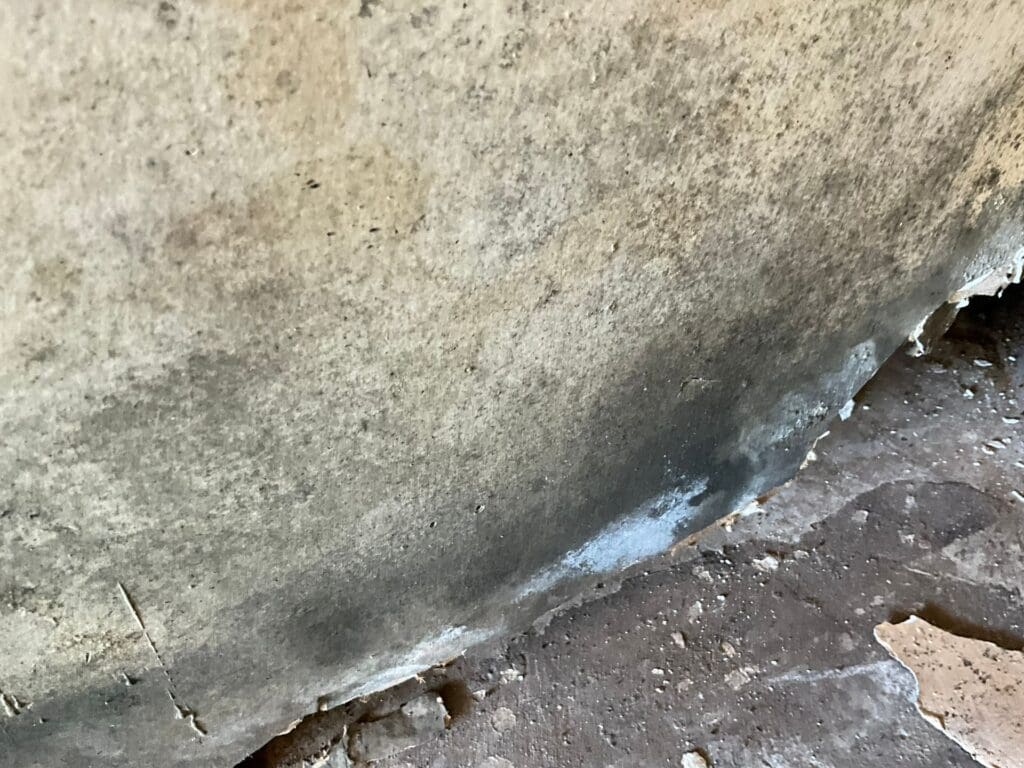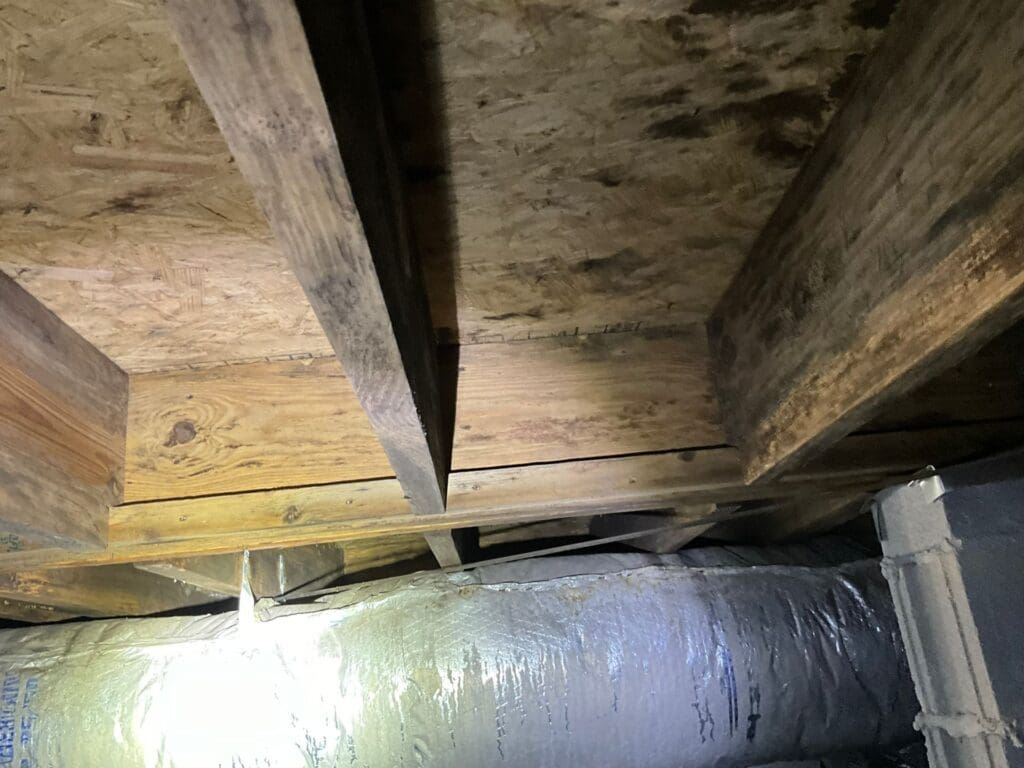
Identifying whether your HVAC system has a mold problem requires checking specific components, not just looking at the vents. In Augusta and the CSRA, where cooling systems run from spring through fall and the outdoor air is humid for most of the year, HVAC mold conditions are common. This guide covers the components where mold most often develops, how to inspect each one, and what to do when you find evidence of a problem.
The Evaporator Coil
The evaporator coil sits inside the air handler and is the component that actually removes heat and moisture from indoor air. As warm air passes over the cold coil, moisture condenses and drips into the drain pan below. The coil operates in a continuously damp environment, which makes it a primary mold growth site.
Signs of a coil mold problem include reduced airflow from supply registers even with a clean filter, a musty odor that starts when the system turns on and fades a few minutes later, and ice buildup on the coil (which indicates restricted airflow, often from debris or mold). The coil itself is not accessible without removing a panel from the air handler — if you can access it, look for dark discoloration or fuzzy growth on the fins.
The Drain Pan and Condensate Line
The drain pan collects condensate from the evaporator coil and channels it through the condensate line to a drain. This is the most common point of HVAC mold failure in this region. The pan sits in a warm, humid, dark location and holds standing water whenever the condensate line is partially or fully blocked.
To inspect: locate the air handler and look for the drain pan beneath the coil. Any standing water in the pan indicates a drainage problem. A slow drip from a secondary drain line (which exits through an exterior wall or ceiling) is a warning that the primary line is blocked. Dark discoloration or slimy residue in the pan indicates mold or algae growth. Cleaning the pan and clearing the condensate line with a wet-dry vac and diluted bleach solution is a standard maintenance procedure that prevents the most common cause of HVAC mold.
Supply Ductwork
In CSRA homes, supply ducts are frequently routed through attic spaces. During summer, the temperature differential between cold conditioned air inside the duct and hot attic air outside it causes condensation on the exterior of poorly insulated ducts. If the duct liner on the interior of metal ducts gets wet — from a disconnected joint, a slow coil overflow, or condensate backup — it becomes a mold growth surface that distributes spores to every room served.
The EPA notes that HVAC ductwork is a recognized indoor air quality concern because of its role in distributing air throughout a building. Signs of duct mold: musty odor from specific registers, visible dark growth on flex duct or rigid duct liner visible through an access panel, or staining around ceiling registers.
Return Air Plenum and Filter Housing
The return side of the system pulls indoor air back to the air handler. The filter is typically located at the return grille or inside the air handler cabinet. A filter that has not been changed on schedule becomes a substrate for mold and a distribution point for spores — mold spores captured by the filter colonize the media and then shed spores back into the airstream.
Check the filter on a set schedule (every one to three months depending on system use and household conditions). If a clean filter shows dark discoloration within a few weeks, it suggests elevated airborne mold levels in the house. Inspect the filter housing and return plenum walls for discoloration or visible growth.
Flex Duct Connections and Air Handler Cabinet
Disconnected or loose flex duct joints allow humid attic air to enter the supply system, introducing both moisture and outdoor spores. Check visible duct connections in the attic, particularly at the air handler and at duct takeoffs, for gaps or separations. The interior walls of the air handler cabinet — the metal box that houses the coil and blower — should be inspected for discoloration, particularly along the base near the drain pan.
When Professional Testing Is Needed
The CDC recommends professional assessment when a mold source is suspected but cannot be confirmed visually. Air sampling taken at supply registers while the system runs can detect whether the HVAC is distributing elevated spore concentrations. Thermal imaging identifies moisture in ductwork and around the air handler that is not visible from the exterior.
Professional HVAC mold testing is particularly valuable when symptoms are present (indoor respiratory symptoms that improve away from home), when a condensate overflow or drain backup occurred in the past year, or when visible mold has been found on any system component and you need to verify whether airborne levels are elevated.
Schedule an HVAC Mold Inspection
EnviroPro 360 provides professional mold inspection and HVAC air sampling across Augusta and the CSRA, including drain pan and coil inspection, supply register sampling, and thermal imaging for hidden moisture in ductwork. Contact EnviroPro 360 to schedule an inspection.