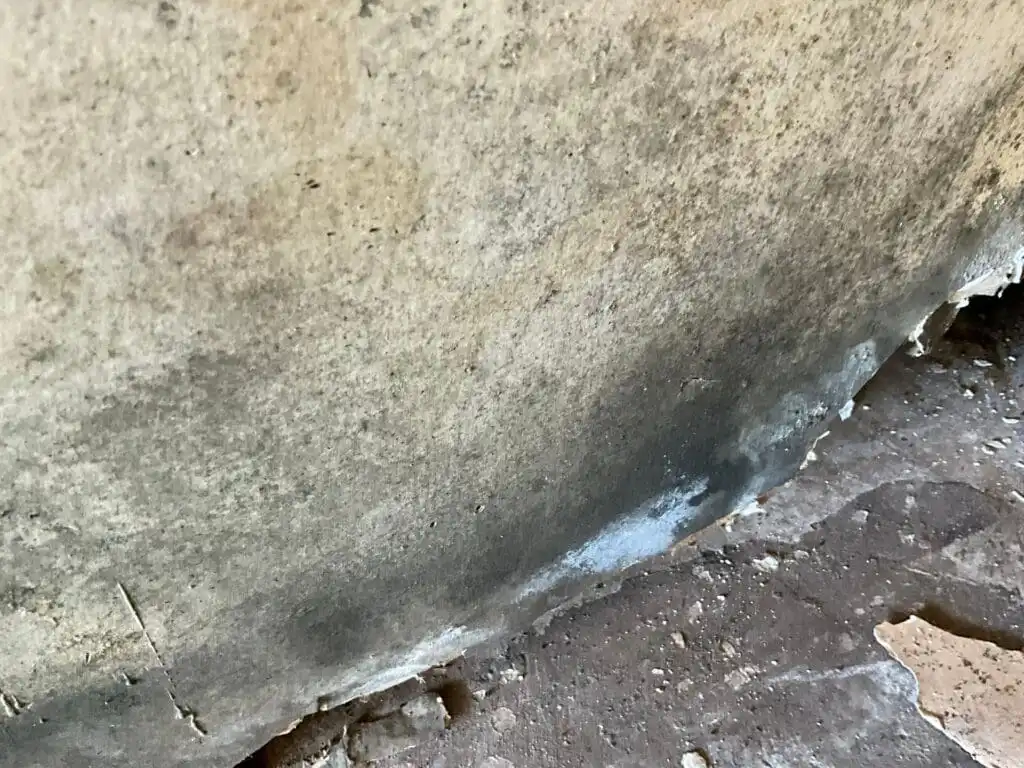
Winter in the CSRA does not look like winter in the Midwest. There is no extended hard freeze, no snow covering rooftops for weeks, no pipes locked solid until March. What the Augusta area gets instead is a particular combination of mild temperatures, persistent ground moisture, and humidity that stays elevated even when the air feels cold and dry indoors.
That combination is almost ideal for mold. Homeowners who assume cold weather protects their home from mold are often surprised when a spring inspection or water event reveals growth that has been active since November.
Why Cold Temperatures Do Not Stop Mold
Mold growth slows significantly below 40 degrees Fahrenheit but does not stop until temperatures approach freezing, and interior building materials almost never reach that point. The EPA notes that mold growth requires moisture, organic material, and temperatures above freezing — conditions met in virtually every occupied building in this region throughout winter.
The practical effect: mold that begins growing behind drywall or in a crawl space in October does not pause for the winter. It continues at a reduced rate, and when spring humidity arrives, growth accelerates. Homeowners who detect a problem in March or April are often looking at mold that established itself months earlier.
How CSRA Winter Conditions Create Mold Risk
Several factors specific to this region and climate contribute to winter mold problems:
- Closed-up homes with reduced ventilation. When windows and doors stay shut from November through February, moisture from cooking, bathing, and breathing accumulates indoors. Without fresh air exchange, humidity builds in rooms and wall cavities.
- Condensation on cold surfaces. Georgia winters produce temperature swings that cause condensation on window sills, exterior wall corners, and cold-water supply lines. That condensation is a direct moisture source for mold on adjacent building materials.
- Heat pump systems and ductwork. Heat pumps, which are common in this area, produce condensate during both heating and cooling cycles. A slow drain pan leak or a condensate line that backs up during a cold snap can drip water into an HVAC closet for weeks before anyone notices.
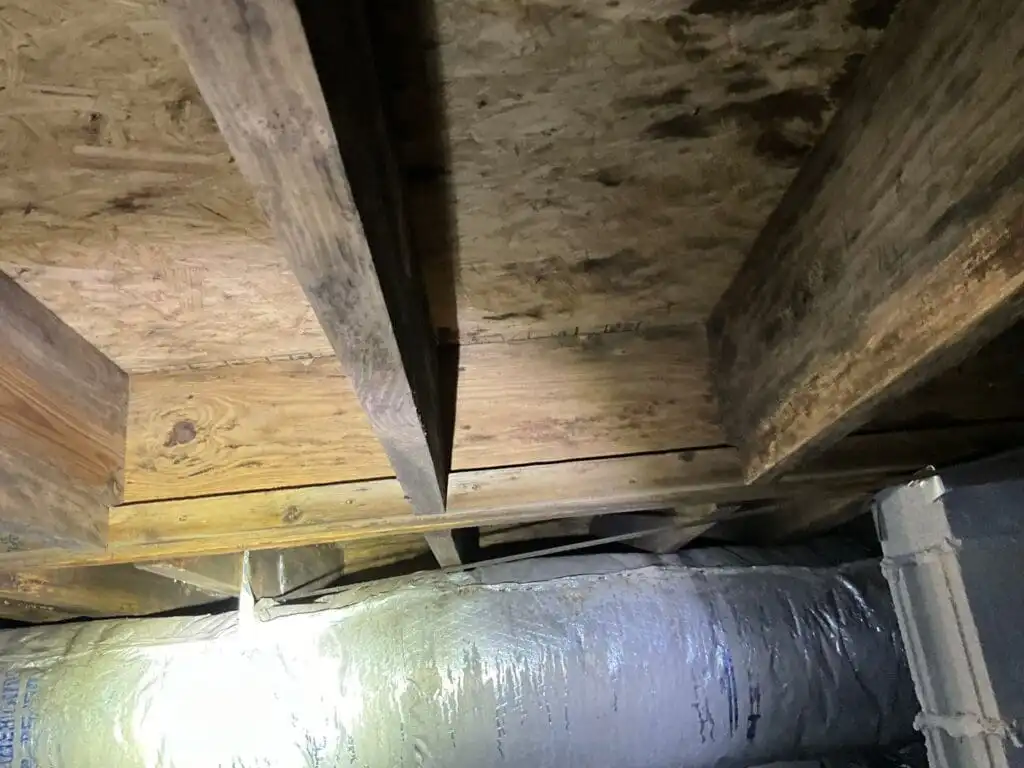
- Crawl space moisture. The clay-heavy soils of the CSRA retain moisture year-round. In winter, when the temperature differential between the cold soil and the warmer crawl space air increases, condensation forms on floor joists and subfloor sheathing. Crawl spaces without vapor barriers and adequate ventilation are at high risk throughout the winter months.
- Attic condensation. Warm humid air from living spaces rises and meets the cold underside of roof decking. Inadequate attic ventilation allows moisture to accumulate on wood sheathing, where mold can establish well before any leak or visible stain appears inside the home.
Where Winter Mold Hides
The places mold grows in winter are generally the same places it hides year-round, but winter conditions make several locations especially high-risk:
- Crawl spaces with damp soil, inadequate vapor barriers, or standing water from ground saturation after winter rain
- Attics near bathroom exhaust fans that duct improperly, near chimney penetrations, or near any roofing that has developed minor leaks
- Around windows and exterior doors where condensation forms repeatedly on frames and sills
- HVAC closets and air handler platforms where condensate system failures go unnoticed
- Behind exterior walls in rooms that are kept cool or closed off
- Under sinks and behind appliances where minor plumbing drips during cold weather go undetected
Warning Signs to Watch For
The CDC notes that mold exposure can cause respiratory symptoms, nasal congestion, coughing, and eye irritation, particularly in people with allergies or asthma. Indoor symptoms that worsen during winter months and improve when occupants leave the home are a consistent pattern associated with hidden indoor mold sources.
Other warning signs specific to winter conditions:
- Musty odors that appear after the heating system runs
- Condensation on interior window glass that reappears daily despite wiping
- Allergy or sinus symptoms that started in fall and have not resolved
- Discoloration around HVAC vents, ceiling corners, or window frames
- Soft spots in flooring near exterior walls or under bathroom fixtures
When to Schedule Winter Testing
Two moments make winter mold testing particularly valuable for Augusta, North Augusta, and Aiken homeowners:
After any water event. A frozen pipe that burst and was repaired, a roof leak after a winter storm, a backed-up condensate line — any of these can leave materials wet in hidden spaces. If materials were not professionally dried and documented, mold testing within 30 to 60 days establishes whether growth occurred.
Before spring renovation work. Contractors opening walls, replacing flooring, or working in crawl spaces in spring will disturb any mold that developed during winter. Testing first establishes the baseline, protects workers, and gives homeowners accurate information before costs escalate.
Schedule a Mold Inspection
EnviroPro 360 provides mold inspection and air sampling year-round across Augusta and the CSRA, including crawl space assessments, moisture mapping with thermal imaging, and HVAC closet inspection. Contact EnviroPro 360 to schedule an inspection before winter moisture problems become spring mold projects.