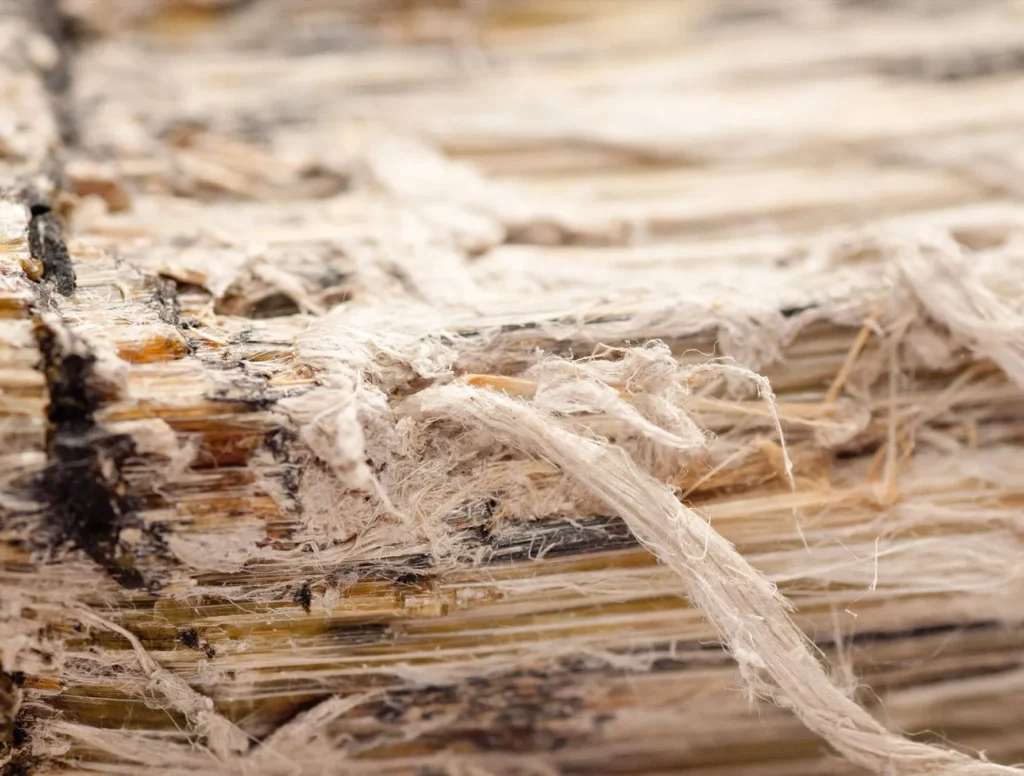
The 90s remodel myth: “We already took care of asbestos.”
A lot of commercial and institutional properties across Georgia and South Carolina got facelifts in the late 80s and 90s—new ceilings, carpet over tile, mechanical upgrades. But many of those projects encapsulated asbestos-containing materials (ACM) rather than removing them, because leaving intact ACM and sealing it can be an acceptable risk-management approach under the right conditions. (EPA guidance recognizes encapsulation as a legitimate abatement method—when done and maintained correctly.) (EPA)
Three decades later, those same “buried” materials can be disturbed by routine work—IT cabling, ceiling grid changes, tenant improvements, or pipe repairs—turning yesterday’s low-risk encapsulation into today’s compliance problem.
Where asbestos still hides after 80s–90s renovations
Even clean-looking spaces can contain ACM behind the finishes you see daily. Common locations include:
- Flooring systems: Vinyl composition tile (VCT) from earlier eras and the mastic/adhesive underneath often remained and were covered by new finishes. EPA letters and guidance discuss how NESHAP applies to floor tiles and mastics.
- Pipe and boiler insulation: Mechanical rooms and above ceilings can hold original thermal system insulation, fittings, and mudded joints. (EPA and historic lists of ACM highlight these components.)
- Sprayed-on fireproofing and textured ceilings: Older sprayed materials may still be present above new drop ceilings or skim coats.
- Roofing felts and some cement panels: Often considered “non-friable,” but methods like grinding or aging can change that risk profile.
Bottom line: You can’t see asbestos. Only a licensed survey with lab analysis can confirm what you have.
When the law says you must test—yes, even if you remodeled
Before any demolition or renovation in a regulated facility area, federal asbestos NESHAP requires a thorough inspection of the affected part of the building for asbestos, including Category I and II non-friable ACM. This is explicit in 40 CFR §61.145, and EPA’s own demolition/renovation pages reiterate it.
NESHAP applies to institutional, commercial, industrial, and public buildings (and most multi-unit residential projects). If you plan to disturb suspect materials—opening a chase, removing flooring, swapping air handlers—you need a certified asbestos inspection first.
On the worker-safety side, OSHA’s construction asbestos standard (29 CFR 1926.1101) governs how contractors protect employees during any work that might disturb ACM (including removal or encapsulation) and requires a competent person to oversee controls and exposure assessments.
Georgia & South Carolina: what local programs expect
- Georgia EPD: Requires 10 working days’ advance notification for covered demolition, renovation that will disturb ACM, or abatement—aligned with NESHAP timing. Georgia EPD’s page spells out the “ten working day” rule and enforcement.
- South Carolina (DES/DHEC): Regulation 61-86.1 sets licensing and project standards (e.g., when a project designer or air sampling is required) and governs notifications and demolition/renovation practices.
Even if your 90s renovation looked comprehensive, today’s scope still triggers these requirements whenever materials might be disturbed.
“Encapsulated” doesn’t mean “set it and forget it”
Encapsulation works only while the coating and substrate remain intact. Once materials are damaged, water-stained, delaminating, or repeatedly accessed, risk and regulatory obligations change. If your 90s project sealed old mastic under new flooring or left pipe wrap behind new jacketing, everyday activities—like chipping, sanding, core-drilling, or pulling cables—can re-expose ACM. EPA’s own program materials emphasize selecting proper work practices and protecting workers during encapsulation and removal alike.
Practical triggers that should send you to testing first
- Flooring changes (lifting carpet, grinding adhesives, polishing or replacing tile)
- Ceiling work (grid moves, device relocations, cable pulls, access to sprayed-on fireproofing)
- Mechanical projects (valve/fitting replacements, pipe reroutes, chiller/boiler work)
- Roof projects (tear-offs, core cuts, curb installations)
- Any demolition, even “minor” in lobbies, corridors, or tenant spaces
A pre-renovation asbestos survey confirms what’s there, maps quantities, and prevents mid-project shutdowns, change orders, and citations.
Documentation that keeps projects moving
A contractor-ready survey should include:
- Room-by-room inventory of suspect materials
- Bulk sample IDs and accredited lab results
- Quantities and friability (including non-friable Category I/II)
- Clear drawings and a regulatory summary (NESHAP/OSHA, GA/SC notifications and timing)
Keep the survey onsite and attach it to bid packages. EPA’s compliance program notes that inspectors verify NESHAP adherence at active demo/reno sites—good paperwork matters.
FAQs we hear from property teams
“The last contractor said it wasn’t friable, so we’re fine.”
NESHAP still requires inspection before work. Some “non-friable” materials can become friable depending on methods (e.g., grinding mastics or old roofing.
“Do we always notify even if surveys show no ACM?”
For demolition, agencies often still require notification. Georgia’s 10-day clock and SC’s project rules make early coordination smart even when surveys come back negative.
“Who handles worker protection?”
Your contractors must follow OSHA 1926.1101 (exposure control, competent person, training, medical surveillance where applicable). Build it into bid specs.
How EnviroPro 360 helps GA & SC owners avoid 11th-hour surprises
EnviroPro 360’s licensed inspectors deliver NESHAP-ready surveys and OSHA-aware scopes that keep your winter and spring projects on schedule:
- Targeted pre-renovation asbestos surveys with accredited lab analysis
- Clear maps, quantities, and regulatory notes for bids and schedules
- Notification guidance (GA EPD ten-day; SC 61-86.1 requirements)
- Coordination with licensed abatement teams where needed
- Add-on testing for mold/IAQ, radon, and leak detection so one visit covers multiple risks
We don’t guess—we test, so your project can move forward with confidence.
Final Thought
Thinking about a 2026 refresh—or opening ceilings/floors for routine work? Schedule an asbestos verification survey with EnviroPro 360 before anyone starts cutting. We’ll confirm what’s behind those 90s finishes and deliver contractor-ready documentation for Georgia and South Carolina projects.