Here’s an example scenario: an office manager in Augusta receives the third complaint this month about a musty smell on the building’s first floor. Two employees have mentioned increased allergy symptoms since returning from the holidays. A walk-through reveals nothing visible. The HVAC filters were replaced last quarter. The building is 30 years old, and the flat roof was repaired after a leak two years ago.
That roof repair may be the key. Water that entered the building before the repair could still be trapped in ceiling tiles, insulation, or wall cavities. And in Georgia’s humid climate, trapped moisture doesn’t dry out on its own easily. It grows mold.
Commercial mold problems carry a different set of consequences than residential ones. You’re dealing with employee health, tenant retention, employer liability, and building operations. Here’s how to handle it.
How Mold Gets Into Commercial Buildings
Commercial buildings are susceptible to mold for many of the same reasons residential buildings are, plus a few unique factors.
Roof leaks and envelope failures. Flat and low-slope roofs common on commercial buildings are prone to ponding water, membrane deterioration, and flashing failures. A small roof leak can deposit water into ceiling cavities where it may not become visible for weeks or months.
HVAC condensation. Commercial HVAC systems process large volumes of air and generate significant condensation. Drain pans that aren’t draining properly, condensation on ductwork, and humidity control failures can all introduce moisture into spaces where mold thrives. The EPA emphasizes proper HVAC maintenance as a primary mold prevention strategy.
Plumbing failures. Older commercial buildings have extensive plumbing networks with connections that can deteriorate over time. Slow leaks behind walls or under slab-on-grade floors often go undetected in unoccupied areas.
Poor ventilation. Building modifications over the years, rearranged spaces, sealed-off returns, and blocked vents can create pockets of stagnant air with elevated humidity. The original HVAC design assumed a specific layout that may no longer exist.
Foundation and below-grade moisture. Ground-floor and basement spaces in contact with soil are vulnerable to moisture intrusion, particularly in areas with high water tables or clay soils like those throughout the Augusta area.
Recognizing the Problem
Mold in commercial buildings doesn’t always present as visible growth. More often, the first indicators are:
Occupant complaints. The CDC notes that mold exposure can trigger respiratory effects, allergic reactions, and asthma flare-ups. Employees or tenants reporting musty odors, increased allergy symptoms, sinus irritation, headaches, or respiratory discomfort should be taken seriously. When multiple people in the same area report similar symptoms, the building is the common factor.
Musty odors. A persistent damp, earthy smell in specific areas of the building, particularly near exterior walls, below roof areas, or near HVAC equipment.
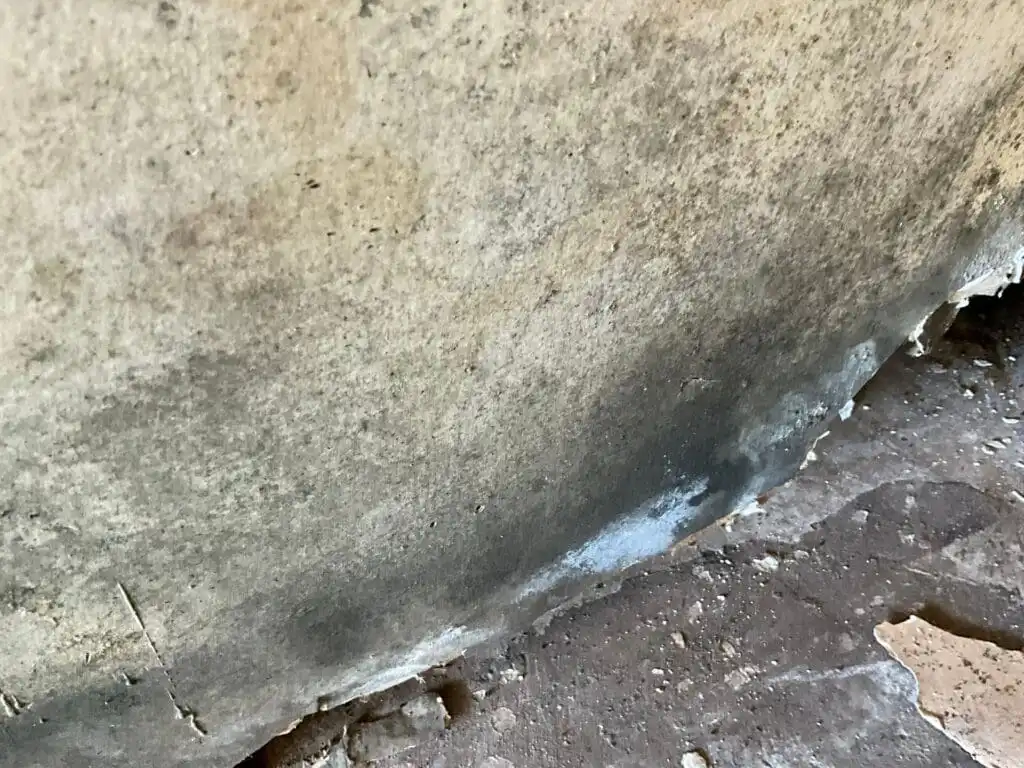
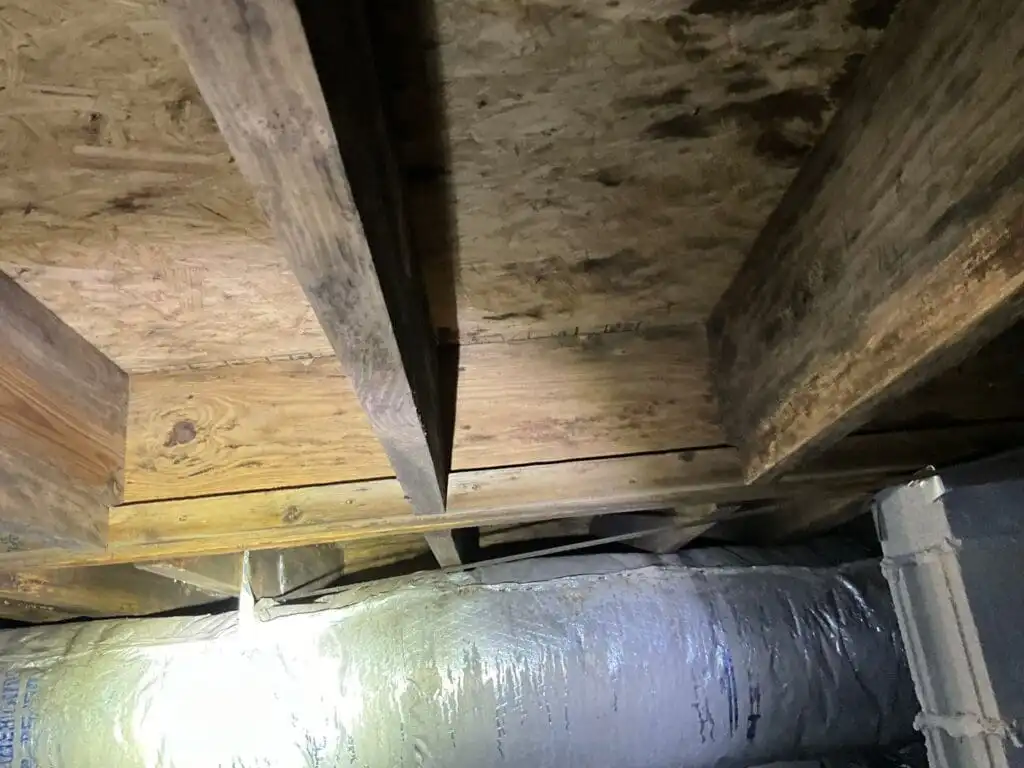
Staining or discoloration. Water stains on ceiling tiles, discoloration on walls, or bubbling paint can indicate current or past moisture intrusion. Even if the leak has been repaired, mold may still be growing on the wet materials that were left in place.
Visible mold. By the time mold is visible on occupied surfaces, the growth behind walls, above ceiling tiles, and inside HVAC components is typically more extensive.
Your Responsibilities as a Building Manager
OSHA does not set a specific permissible exposure limit for mold, but the General Duty Clause (Section 5(a)(1) of the OSH Act) requires employers to provide a workplace free from recognized hazards. If employees are experiencing health effects from mold exposure in the workplace, the employer has an obligation to investigate and address the condition.
Additionally, OSHA’s indoor air quality guidance addresses biological contaminants including mold as a component of overall indoor air quality management.
Ignoring employee complaints about air quality creates several risk exposures:
Workers’ compensation claims. Employees who develop respiratory conditions or allergic reactions related to workplace mold exposure may file workers’ comp claims.
Liability. Failure to investigate and address known or reasonably suspected air quality problems can create negligence exposure.
Tenant retention. In leased commercial space, persistent air quality issues drive tenants out. The cost of a vacancy far exceeds the cost of proper assessment and remediation.
Professional Assessment
When occupant complaints or building conditions suggest mold, professional mold testing and assessment provides the data you need to make decisions.
Air Sampling
Spore trap air samples collected at strategic locations throughout the building and compared to outdoor baseline samples. Laboratory analysis identifies the types and concentrations of mold spores present. This tells you whether indoor mold levels are elevated compared to the outdoor environment, which is the key metric.
Surface Sampling
Tape lift, swab, or bulk samples from suspect materials confirm whether visible discoloration is mold and identify the species. Surface sampling is useful for confirming growth in specific locations.
Moisture Mapping
Thermal imaging and moisture meters identify wet areas in walls, ceilings, and floors that may be supporting hidden mold growth. Finding and fixing the moisture source is essential because removing mold without addressing the moisture source guarantees recurrence.
HVAC Inspection
Visual inspection of air handling units, ductwork, drain pans, and coils for signs of microbial growth. HVAC systems can both harbor and distribute mold throughout a building.
Addressing the Problem
Once assessment identifies the scope and source:
Fix the moisture source first. Repair the roof leak, fix the plumbing, correct the HVAC drainage, or address the ventilation deficiency. No amount of mold removal will solve the problem if moisture continues.
Remove contaminated materials. Porous materials with established mold growth (ceiling tiles, insulation, drywall) are typically removed and replaced. Non-porous materials (metal ductwork, concrete) can be cleaned.
Verify the fix. Post-remediation air sampling confirms that mold levels have returned to normal. This provides documentation that the problem has been resolved.
What to Do Now
-
Document complaints. Keep a log of all occupant complaints about air quality, odors, and health symptoms, including dates, locations, and specific symptoms. This documentation is valuable for both assessment and liability protection.
-
Check your HVAC drain pans and condensate lines. These are the most common and most easily corrected sources of moisture in commercial buildings. A backed-up drain pan can deposit gallons of water into a ceiling cavity.
-
Don’t ignore it. Mold problems in commercial buildings don’t resolve themselves. They get worse. Early investigation and targeted remediation is always less expensive and less disruptive than dealing with a building-wide problem that has been allowed to spread.
If your building has air quality complaints or you suspect mold, the EnviroPro 360 team can assess the situation and give you clear answers. Get in touch here and we’ll help you figure out what’s going on and what to do about it.