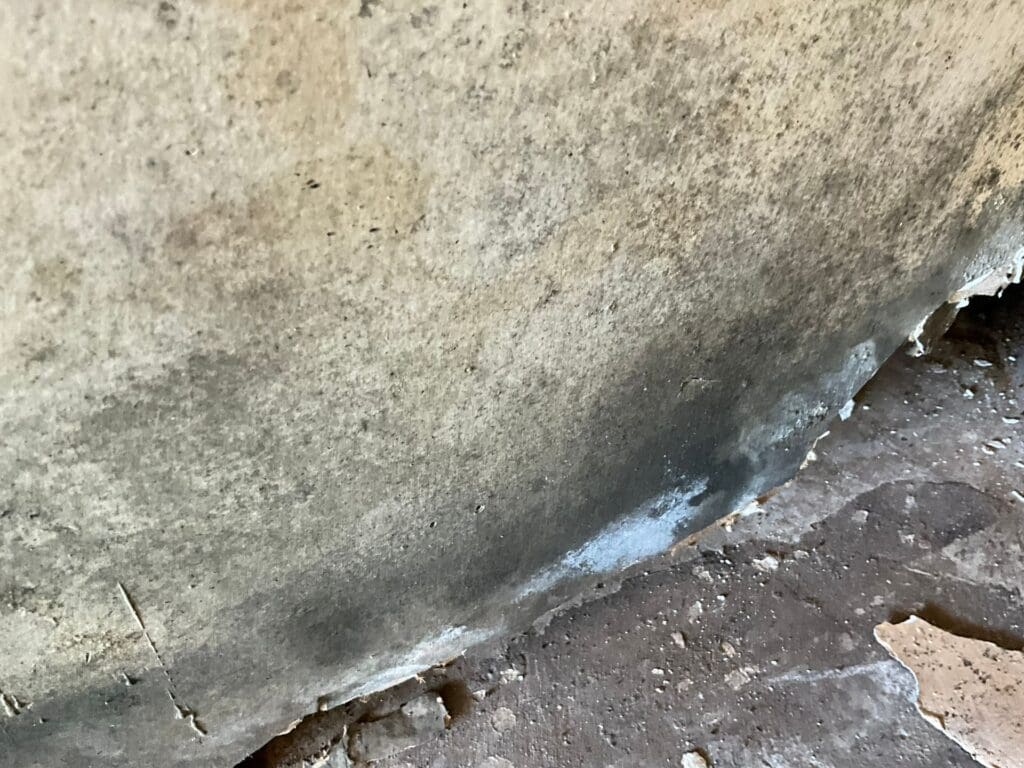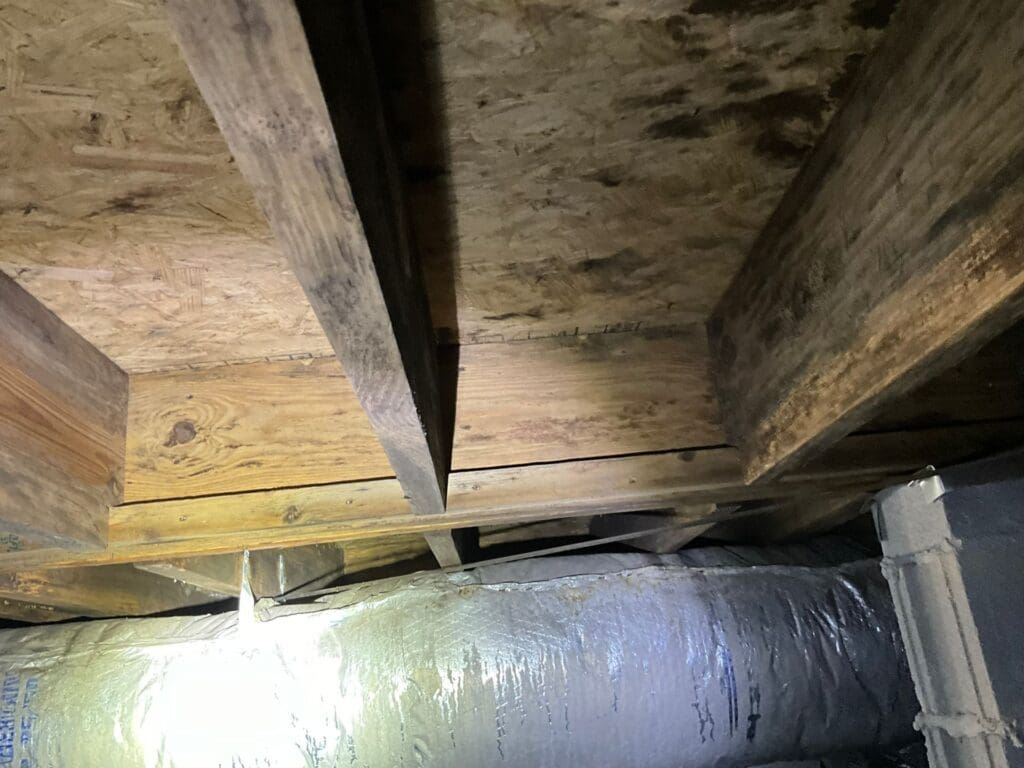
A slow leak under the kitchen sink in a Martinez apartment went unnoticed for four days. The cabinet door stayed closed, the floor looked fine from the hallway, and the tenant reported the drip only after noticing a faint musty smell. By that point, the drywall inside the cabinet was saturated and active mold growth had already begun on the particle board shelving.
This is one of the most common patterns EnviroPro 360 sees across Augusta, North Augusta, and the surrounding CSRA. Leaks in apartment buildings create mold problems quickly, and the timeline is shorter than most tenants and property managers expect.
Why the Timeline Matters in Apartments Specifically
Apartment buildings have conditions that accelerate mold growth. Shared plumbing runs through walls and ceilings between units. HVAC systems are often central, connecting multiple floors. Building materials in older complexes are frequently more porous and slower to dry than newer single-family construction.
In the CSRA, outdoor humidity regularly exceeds 70% during warm months, which means building materials that get wet stay wet longer than they would in a drier climate. The EPA identifies indoor humidity above 60% as a primary driver of mold growth, and apartment units in humid climates frequently hit that threshold even without a direct leak present.
The Mold Growth Timeline After a Water Event
Understanding each phase of this timeline determines what options are still available to stop or contain the problem.
0 to 24 hours: Water soaks into porous materials including drywall, particle board, insulation, and wood framing. Mold spores are present in most indoor environments but remain dormant. This is the window where aggressive drying, if started immediately, can prevent growth entirely. The CDC recommends beginning the drying process within 24 to 48 hours to prevent mold from establishing in wet materials.
24 to 48 hours: Mold becomes active. Spores begin feeding on wet organic material and reproducing. At this stage there may be no visible sign, but the biological process is underway. If materials are not dried and the source is not addressed, mold colonization proceeds regardless of surface appearance.
48 to 72 hours: Early visible growth begins. Dark spots or discoloration appear on surfaces. A musty or earthy odor develops. At this point surface cleaning is insufficient because the mold colony has established hyphae (root-like structures) into the material itself, not just on the surface.
3 to 7 days: Without intervention, mold spreads laterally through drywall, into insulation, and along wood framing. In apartment buildings, growth can cross into adjacent units through shared walls or ceiling cavities before either unit shows obvious symptoms.
Beyond 7 days: Structural materials may require replacement rather than cleaning. Airborne spore counts can become elevated enough to trigger respiratory symptoms in sensitive individuals, particularly children, older adults, and anyone with asthma or existing respiratory conditions.
Slow Leaks Are Often Worse Than Obvious Floods
Major floods get immediate attention. Slow leaks often do not. A dripping toilet seal, a loose refrigerator water line, a cracked AC condensate pan, or a roof penetration that only leaks during heavy rain can supply moisture continuously for days or weeks without being noticed.
These hidden leaks are particularly problematic in apartment buildings for several reasons:
- They occur inside walls, under appliances, or above drop ceilings where they are not visible during routine inspection
- Property management response times are often slower for issues described as minor
- Tenants may not know whether a repaired leak was professionally dried or just patched over
- Building materials absorb and retain moisture in ways that are not visible on the surface
Fixing the Leak Does Not Fix the Mold
A plumber can stop the water source, but that does not address moisture already absorbed into building materials. Wet drywall, insulation, and subfloor materials continue to support mold growth even after the dripping stops, unless they are professionally dried or removed.
If drying was not documented, or if the repair was visual only (patching or repainting over a stain), mold growth behind the surface may still be active and progressing.
How Mold Spreads Through Multi-Unit Buildings
Apartment buildings create specific pathways for mold to cross unit boundaries. EnviroPro 360 has tested buildings in Augusta and the CSRA where a single HVAC issue or plumbing leak affected multiple units before any individual tenant reported a visible problem. Common spread pathways include:
- Shared HVAC systems distributing spores through connected ductwork to multiple units
- Ceiling leaks from an upper unit saturating the structural cavity above the unit below
- Plumbing chases (vertical shafts where pipes run between floors) carrying moisture between levels
- Shared wall insulation acting as a wick that draws moisture horizontally between units
What Tenants Should Do After Any Leak
If you are renting in Augusta, Evans, Grovetown, or anywhere in the CSRA and a leak has occurred in your unit or an adjacent one, the following steps protect both your health and your documentation:
- Report the leak to property management in writing and keep a copy of all communication
- Photograph all wet areas, staining, and damage before and after any repairs are made
- Ask the property manager whether professional drying equipment was used and for how long
- Request professional mold testing if the leak lasted longer than 24 hours or if materials were not dried with equipment
- Document any symptoms (coughing, congestion, headaches) that appear or worsen after the leak event
When to Call EnviroPro 360
EnviroPro 360 provides mold testing and inspection services across Augusta, Evans, Martinez, North Augusta, Aiken, and the surrounding CSRA. If your apartment has had a leak and you are unsure whether mold is present, independent testing provides documentation that protects you whether you are dealing with a landlord, an insurance company, or a healthcare provider.
Contact EnviroPro 360 to schedule an inspection. We work with both tenants and property managers to assess conditions accurately and provide lab-backed reports with clear next steps.