Frequently Asked Questions
Can I test for radon in my apartment without my landlords permission?
You can test for radon in your apartment without your landlord's permission. As a tenant, you have the right to ensure your living environment is safe from harmful radon exposure.
What methods are available for testing radon levels in apartments?
The methods available for testing radon levels in apartments include short-term tests, which typically last from two to seven days, and long-term tests, which measure radon levels over a period of 90 days or more.
How should I communicate with my landlord about radon testing results?
Communicating with your landlord about radon testing results should be done clearly and professionally. Share the results in writing, express your concerns about health and safety, and request any necessary actions to address elevated radon levels.
Can I conduct radon tests independently?
You can conduct radon tests independently in your apartment without needing landlord permission. Using a DIY radon test kit allows you to monitor levels and ensure your living environment is safe.
What are the steps for apartment radon testing?
The steps for apartment radon testing include selecting a testing kit, placing it in the lowest livable area of your apartment for the recommended duration, and then sending it to a lab for analysis.
How accurate are home radon test kits?
The accuracy of home radon test kits varies, but many are reliable when used correctly. Short-term tests can provide a quick estimate, while long-term tests offer more precise measurements of radon levels in your home.
What should I do if radon levels are high?
If radon levels are high, you should take immediate action by ventilating the area, sealing any cracks in floors and walls, and contacting a professional radon mitigation service to effectively reduce the levels and ensure safety.
Are there specific radon testing companies for apartments?
There are specific radon testing companies that cater to apartments. These companies offer tailored services to ensure accurate testing and compliance with local regulations, helping renters understand radon levels in their living spaces.
How often should I test for radon?
The frequency of radon testing is essential for maintaining safety. It is recommended to test for radon every two years, or more often if you make significant changes to your home or if you live in an area known for high radon levels.
What are the signs of radon exposure?
The signs of radon exposure include persistent cough, shortness of breath, and unexplained weight loss. These symptoms may indicate more serious health issues, such as lung cancer, so it's crucial to be aware and test your environment for radon levels.
Can radon levels fluctuate in apartments?
Radon levels can fluctuate in apartments. Factors such as weather changes, ventilation, and building occupancy can cause variations in radon concentration, making it essential for renters to conduct regular testing to ensure safe living conditions.
What equipment is needed for radon testing?
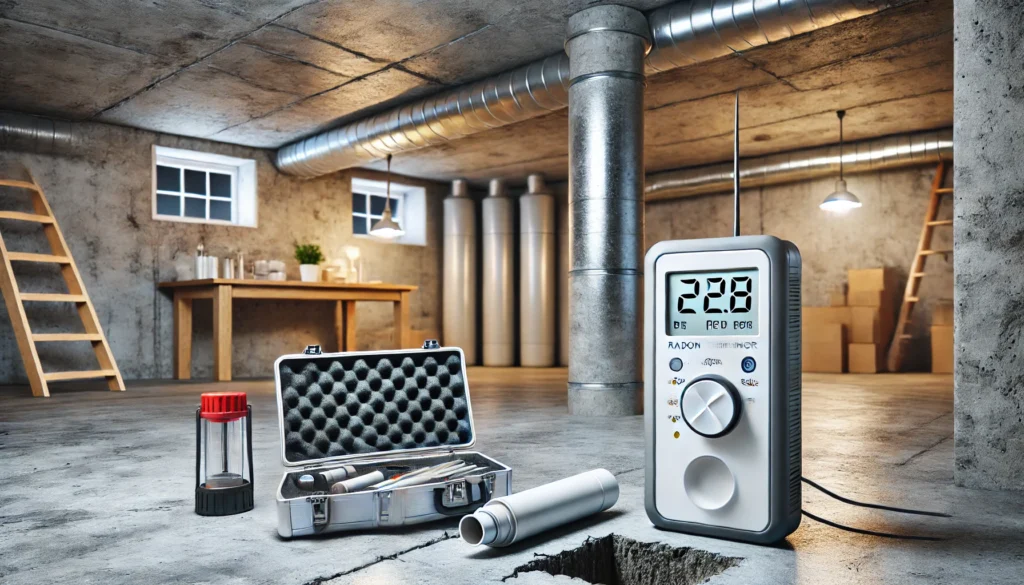
The equipment needed for radon testing includes a radon test kit, which can be either a short-term or long-term testing device, and a digital radon detector for immediate readings. These tools help accurately measure radon levels in your home.
How long does radon testing take?
The duration of radon testing typically takes between 2 to 7 days, depending on the testing method used. This timeframe allows for accurate measurement of radon levels in your apartment.
What are the health risks of radon exposure?
The health risks of radon exposure include an increased likelihood of developing lung cancer, particularly for smokers. Long-term exposure can lead to serious respiratory issues and other health complications, making it crucial to test and mitigate radon levels in living spaces.
Is radon testing required by law?
Radon testing is not universally required by law, but some states and localities have regulations mandating testing in certain situations, especially in rental properties. It's essential to check local laws to understand specific requirements.
How can I ensure accurate radon test results?
Ensuring accurate radon test results involves following proper testing protocols, such as sealing windows and doors, maintaining consistent indoor temperature, and using a certified testing device. For best results, consider hiring a professional service like EnviroPro 360.
What should I include in my landlord communication?
Effective landlord communication should include your concerns about radon testing, a request for permission if needed, any relevant health information, and a mention of your rights as a tenant regarding safe living conditions.
How do I interpret radon testing results?
Interpreting radon testing results involves understanding the measured radon level in picocuries per liter (pCi/L). A result of 4 pCi/L or higher indicates an urgent need for mitigation, while levels below this threshold are generally considered acceptable but should still be monitored.
Are there different radon testing methods available?
There are different radon testing methods available. These include short-term tests, which typically last from two to 90 days, and long-term tests, which last more than 90 days, providing a more accurate assessment of radon levels in your environment.
What is the cost of professional radon testing?
The cost of professional radon testing typically ranges from $100 to $300, depending on the size of the property and the testing method used. This investment is crucial for ensuring a safe living environment.
Can I test for radon during winter months?
Testing for radon during winter months is possible and can provide accurate results. However, ensure that windows and doors are closed for at least 12 hours prior to testing to achieve reliable measurements.
How do I prepare my apartment for testing?
Preparing your apartment for testing involves ensuring that all windows and doors are closed for at least 12 hours prior to the test, removing any drafts, and minimizing activities that could affect air circulation, such as using fans or air conditioning.
What are the limitations of DIY radon tests?
The limitations of DIY radon tests include potential inaccuracies due to improper placement, insufficient testing duration, and lack of professional calibration. These factors can lead to misleading results, making it crucial to consider professional testing for reliable data.
How can I advocate for radon testing with my landlord?
Advocating for radon testing with your landlord involves clearly communicating your concerns about radon exposure and providing resources on its health risks. Suggest a professional testing service, like EnviroPro 360, to ensure accurate results and promote a safer living environment.
What resources are available for radon education?
Resources available for radon education include government websites, such as the EPA, local health departments, and organizations like the American Lung Association, which provide information on radon risks, testing methods, and mitigation techniques.
How does ventilation affect radon levels?
Ventilation significantly affects radon levels by diluting indoor air contaminants. Properly ventilated spaces can lower radon concentrations, as fresh air reduces the accumulation of this harmful gas, promoting a healthier living environment.
What are common misconceptions about radon?
Common misconceptions about radon include the belief that it only exists in rural areas, that it's not a concern in newer homes, and that testing isn't necessary if there are no visible signs of danger. In reality, radon can be found anywhere, regardless of location or home age, making testing essential for safety.
Can radon levels be reduced in apartments?
Radon levels can indeed be reduced in apartments. Effective mitigation strategies, such as sealing cracks and installing ventilation systems, can significantly lower radon concentrations, ensuring a safer living environment for residents.
How do I find certified radon testers?
Finding certified radon testers involves checking with your state’s radon program or visiting the National Radon Proficiency Program (NRPP) website, where you can search for qualified professionals in your area.
What should I do after receiving test results?
After receiving test results, you should carefully review them for radon levels. If levels exceed the EPA's action guideline of 4 pCi/L, consider discussing mitigation options with your landlord and consulting a professional for further assistance.