Frequently Asked Questions
Does radon rise to the ceiling?
Radon does not necessarily rise to the ceiling. While it is a gas that can accumulate in upper levels, it can enter buildings through cracks and openings in the foundation, making thorough testing essential for safety.
What are the risks of radon in apartments?
The risks of radon in apartments include exposure to this radioactive gas, which can seep into living spaces from the ground. Prolonged exposure increases the risk of lung cancer, making it essential to test for radon, regardless of floor level.
How does radon enter apartment buildings?
Radon enters apartment buildings primarily through cracks in floors and walls, construction joints, and gaps around service pipes. It can also seep in from the ground and accumulate in enclosed spaces, making testing essential for safety.
What are common radon testing methods?
Common radon testing methods include short-term tests, which last from 2 to 90 days, and long-term tests, which measure radon levels over 90 days to a year. Both methods effectively assess radon exposure in residential buildings.
Can radon levels vary by floor?
Radon levels can indeed vary by floor. While it's commonly believed that higher floors are safer, radon can still infiltrate upper levels through building materials and air circulation, making testing essential for all floors.
What health risks are associated with radon?
The health risks associated with radon include an increased likelihood of lung cancer due to prolonged exposure to this radioactive gas, which can accumulate in homes, particularly in lower levels.
How often should radon testing be done?
Radon testing should be done regularly to ensure safety. It is recommended to test your home every two years, or more frequently if you have made renovations, experienced changes in occupancy, or live in an area with known radon issues.
What are signs of radon exposure?
The signs of radon exposure include persistent cough, shortness of breath, chest pain, and frequent respiratory infections. However, many symptoms can be subtle or mimic other illnesses, making radon testing essential for accurate detection.
Is radon testing required for rentals?
Radon testing is not universally required for rentals, but it is highly recommended. Landlords and tenants should prioritize testing to ensure safety from radon exposure, as it can affect any level of a building.
How can I reduce radon levels?
Reducing radon levels involves several effective strategies. You can improve ventilation, seal cracks in floors and walls, and install a radon mitigation system to actively lower radon concentrations in your home.
What equipment is used for radon testing?
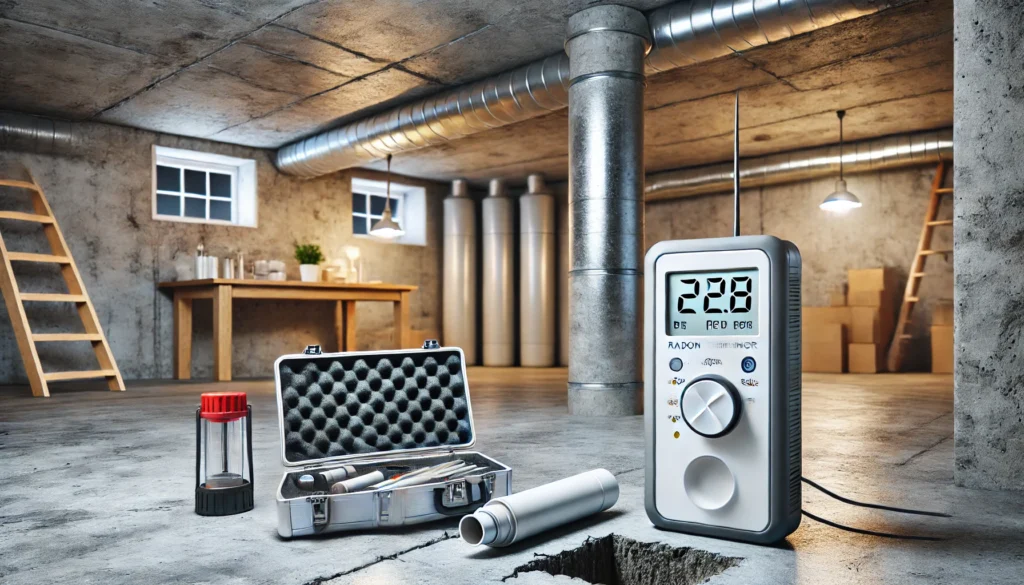
The equipment used for radon testing includes passive detectors like charcoal canisters and alpha track detectors, as well as active monitors that continuously measure radon levels. These tools help accurately assess radon concentrations in residential spaces.
Are there safe radon levels in homes?
Safe radon levels in homes are considered to be below 4 picocuries per liter (pCi/L). Levels above this threshold may pose health risks, making regular testing essential for ensuring a safe living environment.
How does ventilation affect radon levels?
Ventilation affects radon levels by influencing the air exchange in a building. Proper ventilation can help reduce radon concentrations by diluting the gas and allowing it to escape, thereby improving indoor air quality and enhancing safety.
What should I do if radon is detected?
If radon is detected, the first step is to confirm the results with a follow-up test. Then, consider hiring a certified radon mitigation professional to assess the situation and implement necessary measures to reduce radon levels in your home.
Can radon levels change seasonally?
Radon levels can indeed change seasonally. Factors such as temperature fluctuations, humidity, and ventilation can influence radon concentrations, making it essential to test for radon at different times of the year to ensure safety.
What is the cost of radon testing?
The cost of radon testing varies based on location and service provider, typically ranging from $100 to $300. Investing in professional testing ensures accurate results and peace of mind regarding radon exposure in your home.
How effective are radon mitigation systems?
Radon mitigation systems are highly effective at reducing radon levels in homes. When properly installed and maintained, these systems can lower radon concentrations significantly, often achieving levels below the EPA's recommended action level of 4 pCi/L.
What are the symptoms of radon poisoning?
The symptoms of radon poisoning include persistent cough, shortness of breath, chest pain, and frequent respiratory infections. In severe cases, it can lead to lung cancer, especially with long-term exposure.
How does radon accumulate in buildings?
Radon accumulates in buildings primarily through cracks in floors, walls, and foundations, as well as gaps around pipes and vents. This radioactive gas can enter from the soil beneath the structure, leading to potential health risks if not properly mitigated.
Is radon a concern in high-rise apartments?
Radon is indeed a concern in high-rise apartments. Despite being higher off the ground, radon can still infiltrate upper levels through building materials and ventilation systems, making testing essential for safety.
What regulations exist for radon testing?
Regulations for radon testing vary by region, but many states require testing in schools and public buildings. Additionally, the EPA provides guidelines to ensure proper testing methods and encourages homeowners to test their properties for radon.
How can landlords ensure radon safety?
Landlords can ensure radon safety by conducting regular radon testing in their properties, providing tenants with information about radon risks, and implementing necessary mitigation measures if elevated radon levels are detected.
What is the process for radon remediation?
The process for radon remediation involves assessing the radon levels in your home, designing a mitigation system, and installing it to effectively reduce radon concentrations. This typically includes sealing entry points and using ventilation systems to direct radon outside.
How does soil type influence radon levels?
Soil type influences radon levels by affecting the gas's movement and concentration. Rocky, sandy, or gravelly soils typically allow radon to escape more easily, while dense clay soils can trap it, leading to higher levels in nearby structures.
What are the long-term effects of radon exposure?
The long-term effects of radon exposure include an increased risk of lung cancer, particularly for smokers. Prolonged exposure can lead to significant health issues, making regular radon testing essential for safety in homes.
How can I find a radon testing service?
Finding a radon testing service is straightforward; you can start by searching online for local professionals, checking reviews, and asking for recommendations from friends or family. Additionally, consider contacting EnviroPro 360 for expert radon testing services.
What is the relationship between radon and cancer?
The relationship between radon and cancer is significant: prolonged exposure to radon gas increases the risk of developing lung cancer, as it emits radioactive particles that can damage lung tissue when inhaled.
How does radon testing differ for homes and apartments?
Radon testing differs for homes and apartments primarily due to the building structure and ventilation. Homes often have basements where radon accumulates, while apartments may require testing at different levels due to shared ventilation systems and varying exposure risks.
What are the best practices for radon safety?
The best practices for radon safety include regularly testing your home for radon levels, ensuring proper ventilation, sealing cracks in floors and walls, and using radon mitigation systems if levels exceed recommended limits.
How can I educate others about radon risks?
Educating others about radon risks involves sharing reliable information about its dangers, discussing the importance of testing, and encouraging conversations about radon safety in homes. Utilize resources from organizations like EnviroPro 360 to spread awareness effectively.