Frequently Asked Questions
What is the cost of radon testing?
The cost of radon testing varies, typically ranging from $100 to $300 for professional services, while DIY kits can be found for as low as $15 to $30.
How much does radon inspection typically cost?
The cost of radon inspection typically ranges from $100 to $300, depending on factors such as location and whether you choose a DIY kit or professional service.
What options are available for residential radon testing?
The options available for residential radon testing include DIY test kits that homeowners can use themselves and professional radon testing services conducted by certified experts for more accurate results.
What factors influence radon testing costs?
The factors that influence radon testing costs include the type of testing method chosen (DIY kits vs. professional services), the size of the property, the complexity of the testing process, and regional pricing variations in Georgia and South Carolina.
Are there discounts for radon testing services?
Discounts for radon testing services may be available through various promotions or partnerships. It's best to check with EnviroPro 360 directly for any current offers or discounts that can help reduce your testing costs.
How often should I test for radon?
The frequency of radon testing is essential for maintaining a safe living environment. It is recommended to test for radon every two years, or more frequently if you have made significant changes to your home or if you live in a high-risk area.
What is included in a radon inspection?
A radon inspection includes measuring radon levels in your home using specialized equipment, evaluating ventilation systems, and assessing potential entry points for radon gas. Professional inspectors may also provide recommendations for mitigation if high levels are detected.
Can I perform radon testing myself?
You can perform radon testing yourself using DIY kits available online or in stores. However, for more accurate results and comprehensive analysis, professional testing is recommended.
What are the benefits of professional radon testing?
The benefits of professional radon testing include accurate measurements, expert analysis, and comprehensive reporting, ensuring homeowners and renters can effectively assess radon levels and take necessary actions to protect their health and safety.
How long does radon testing take?
Radon testing typically takes between 2 to 7 days, depending on the method used. Continuous monitors provide real-time readings, while passive tests require a longer exposure period to accurately measure radon levels.
What equipment is used for radon testing?
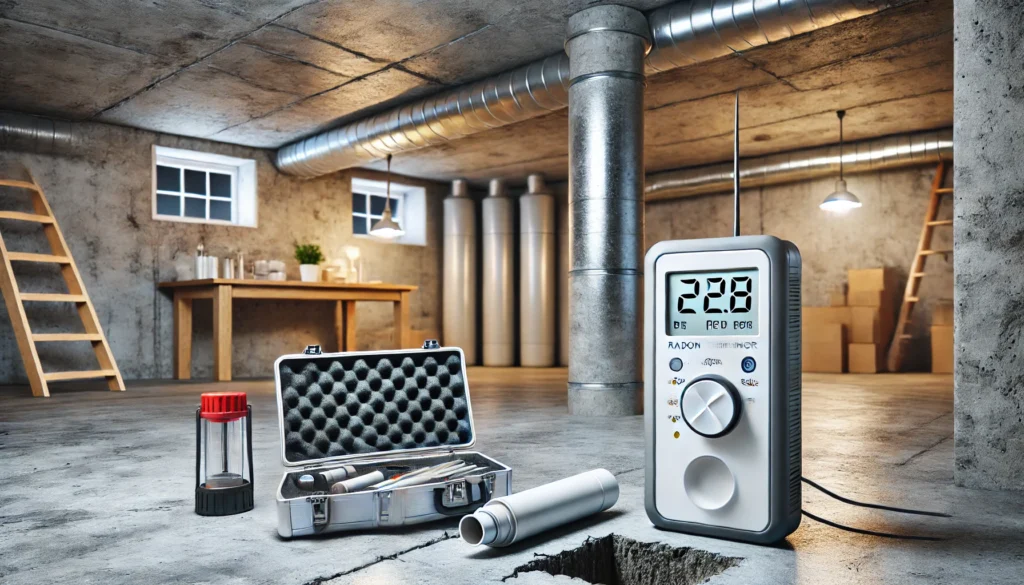
The equipment used for radon testing includes radon detectors, which can be either passive (like charcoal canisters) or active (such as electronic monitors). These devices measure radon levels in the air to ensure safety in homes and buildings.
Is radon testing necessary for all homes?
Radon testing is necessary for all homes, as radon is a colorless, odorless gas that can accumulate indoors and pose serious health risks. Regular testing ensures that homeowners are aware of radon levels and can take action if necessary.
What are the health risks of radon exposure?
The health risks of radon exposure include an increased likelihood of lung cancer, particularly for smokers and those with prolonged exposure. Radon is a colorless, odorless gas that can accumulate in homes, making testing essential for safety.
How accurate are DIY radon testing kits?
The accuracy of DIY radon testing kits can vary significantly. While they can provide a general indication of radon levels, professional testing is recommended for precise measurements and reliable results.
What should I do if radon levels are high?
If radon levels are high, you should take immediate action to reduce exposure. Consider hiring a professional radon mitigation service to install a system that lowers radon levels effectively and ensures your home is safe.
Are radon testing costs tax-deductible?
Radon testing costs may be tax-deductible under certain circumstances. If the testing is part of a home sale or necessary for health-related reasons, you might be eligible to claim these expenses on your tax return.
What is the average cost of radon mitigation?
The average cost of radon mitigation typically ranges from $800 to $2,500, depending on factors such as the home's size and the complexity of the installation.
How can I prepare for a radon inspection?
Preparing for a radon inspection involves ensuring that the testing area is accessible and free of obstructions. Make sure windows and doors are closed for at least 12 hours prior to testing for accurate results.
What are the signs of radon presence?
The signs of radon presence include elevated radon levels detected through testing, particularly in basements or lower levels of homes. Since radon is odorless and colorless, testing is essential for accurate detection.
How do I choose a radon testing company?
Choosing a radon testing company involves researching their certifications, experience, and customer reviews. Ensure they use reliable testing methods and provide clear pricing information to guarantee accurate results for your home.
What is the difference between testing and inspection?
The difference between testing and inspection lies in their purpose: testing evaluates the presence and levels of radon in a property, while inspection involves a thorough examination of the property to identify potential radon entry points and overall safety.
How can I save on radon testing costs?
Saving on radon testing costs can be achieved by comparing DIY kits with professional services, taking advantage of seasonal discounts, or bundling tests with other home inspections. Consider testing your home every two years to ensure ongoing safety without overspending.
What regulations exist for radon testing in Georgia?
The regulations for radon testing in Georgia include guidelines established by the Georgia Department of Natural Resources, which recommend testing for radon in homes and rental properties, particularly in high-risk areas.
How reliable are online radon testing services?
The reliability of online radon testing services varies. While some companies offer accurate results, it’s essential to choose reputable providers and understand that professional testing is often more reliable for ensuring safety from radon exposure.
What is the best time to test for radon?
The best time to test for radon is during the winter months when homes are typically closed up, as this allows for more accurate readings of indoor radon levels.
How do radon levels vary by location?
Radon levels vary by location due to factors such as geology, soil composition, and building construction. Areas with higher uranium content in the soil typically have increased radon levels, making local testing essential for accurate assessment.
What should I expect during a radon inspection?
During a radon inspection, you can expect a professional to assess your home for radon levels using specialized equipment, typically conducting tests in various locations over a set period to ensure accurate results.
Are there state programs for radon testing assistance?
State programs for radon testing assistance are available in some areas. These programs may offer financial help or resources to ensure homeowners can test their properties for radon effectively and affordably.
What is the process for radon mitigation?
The process for radon mitigation involves assessing radon levels, designing a system to reduce these levels, and installing the necessary equipment, such as a vent pipe and fan, to effectively lower radon concentration in the home.
How can I educate others about radon risks?
Educating others about radon risks involves sharing information on its health dangers, distributing educational materials, hosting community workshops, and encouraging radon testing in homes. Utilize reliable resources to raise awareness and promote safety measures.