You’ve signed the lease, unpacked the boxes, and started making your new rental feel like home—then you hear about radon. You scroll your lease and come up empty. No mention of radon. Is that… normal? What are your rights? And more importantly, is your home safe?
Let’s break down what it means if your lease doesn’t mention radon, and what you can do next.
What Is Radon—and Why Should Renters Care?
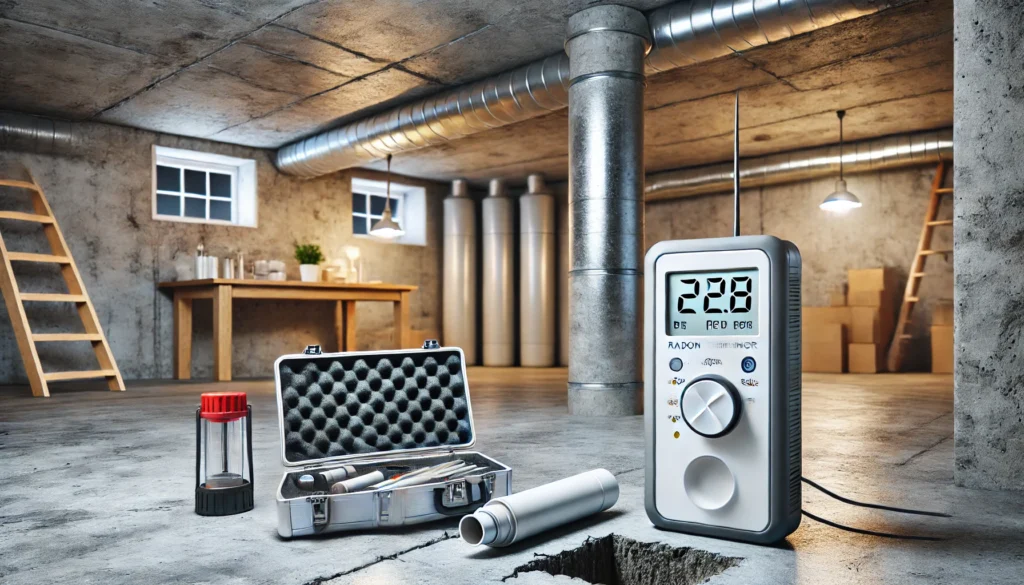
Radon is a radioactive gas that forms naturally underground and can enter buildings through cracks in the foundation. It’s invisible, odorless, and the second leading cause of lung cancer in the U.S.
And here’s the catch: just because your lease doesn’t mention radon doesn’t mean you’re not at risk. Many homes, including rentals, can have elevated levels without anyone knowing.
Is It Illegal for a Lease to Leave Out Radon?
In most states, landlords are not legally required to disclose radon levels—unless they already know about a problem. Georgia and South Carolina, for example, do not currently require landlords to test or disclose radon unless local laws say otherwise.
But that doesn’t mean you’re stuck. You still have rights as a tenant. And you absolutely have the right to ask for a test or conduct one yourself.
Why Some Leases Don’t Mention Radon
There are three main reasons:
- The landlord doesn’t know radon is a problem.
- They assume radon testing isn’t necessary.
- They don’t want to pay for it unless legally forced to.
Unfortunately, this puts the burden on you—the renter—to bring it up.
What You Can Do Right Now
If your lease didn’t mention radon, here are 3 steps you can take:
1. Ask—Don’t Assume
Politely ask your landlord if the property has ever been tested for radon. Keep it non-accusatory. A simple email like:
“Hi [Landlord], I recently read about radon exposure and was wondering if the property has ever been tested for it. I’d feel much safer knowing the levels are within a healthy range.”
2. Consider Testing Yourself
You can purchase a short-term radon test kit at many home improvement stores or order one online. It’s a small investment (often under $20) for peace of mind.
3. Follow Up If the Test Shows High Levels
If results show high radon (above 4.0 pCi/L), present the findings to your landlord. In many cases, they’ll agree to mitigation—especially if you document everything professionally.
What Happens If They Say No?
This depends on your lease, your local tenant laws, and your willingness to take further action. You can:
- Request a third-party inspection
- Contact a local housing authority
- Work with radon testing professionals like EnviroPro 360 to confirm levels and explore options
Final Thoughts: Radon Is Invisible—But Your Safety Shouldn’t Be
Just because it’s not in your lease doesn’t mean you shouldn’t take action. Radon is silent but serious, and you deserve to feel safe in your home—whether you own it or not.
Worried About Radon in Your Rental?
EnviroPro 360 is here to help renters and landlords alike understand the risks and take action. We offer fast, affordable radon testing across Georgia and South Carolina—so you can breathe easy.
Schedule a test with EnviroPro 360 today
📞 Or call us to speak with a certified inspector who can walk you through your options.