Frequently Asked Questions
How can I identify the symptoms of radon exposure?
Identifying the symptoms of radon exposure can be challenging, as they often mimic other health issues. Common symptoms include persistent cough, shortness of breath, and chest pain. If you experience these, it’s crucial to seek professional radon testing.
What health risks are associated with radon exposure?
The health risks associated with radon exposure include an increased likelihood of developing lung cancer. Long-term exposure to radon, a colorless and odorless gas, can lead to serious respiratory issues and other health complications.
What steps should I take if I suspect radon exposure?
If you suspect radon exposure, the first step is to conduct a radon test in your home. If elevated levels are detected, contact a professional service like EnviroPro 360 for mitigation solutions to ensure a safe indoor environment.
How can I test for radon in my home?
Testing for radon in your home can be done using either a do-it-yourself radon test kit or by hiring a professional service. For accurate results, follow the instructions carefully and consider conducting long-term testing for the best assessment.
What are the long-term effects of radon exposure?
The long-term effects of radon exposure include an increased risk of lung cancer, particularly for smokers and those exposed to high levels over extended periods. Regular testing and mitigation are essential for health protection.
What are common symptoms of radon exposure?
The common symptoms of radon exposure include persistent cough, shortness of breath, and chest pain. These symptoms often resemble those of other respiratory conditions, making awareness crucial for early detection and action.
How does radon exposure affect lung health?
Radon exposure significantly impacts lung health by increasing the risk of lung cancer. When inhaled, radon gas can damage lung tissue, leading to cellular changes that may result in cancer over time.
What should I do after radon exposure?
After radon exposure, it is crucial to seek professional medical advice, especially if you experience symptoms like coughing or shortness of breath. Additionally, arrange for radon testing in your home to assess and mitigate any risks.
How can I reduce radon levels indoors?
Reducing radon levels indoors involves several strategies. Effective methods include sealing cracks in floors and walls, improving ventilation, and installing a radon mitigation system to actively reduce radon concentration in your home.
What are the signs of radon poisoning?
The signs of radon poisoning include persistent coughing, shortness of breath, chest pain, and frequent respiratory infections. Due to radon's odorless and colorless nature, symptoms may be subtle, often exacerbating over time.
How often should I test for radon?
Testing for radon should be done at least once every two years, or more frequently if you make changes to your home or if you live in an area known for high radon levels.
What is the safe radon level in homes?
The safe radon level in homes is considered to be 4 picocuries per liter (pCi/L) or lower. Levels above this threshold may require mitigation to reduce health risks, particularly the risk of lung cancer.
Can radon exposure cause other health issues?
Radon exposure can lead to serious health issues, primarily lung cancer; however, it may also contribute to other respiratory problems and overall diminished lung function. Awareness and testing are essential for safety.
How is radon exposure diagnosed?
Radon exposure is diagnosed primarily through radon testing in homes. This involves using specialized equipment to measure radon levels over a specific period, helping to determine if mitigation is necessary to ensure a safe indoor environment.
What are the immediate effects of radon exposure?
The immediate effects of radon exposure are generally not noticeable, as radon is odorless and colorless. However, prolonged exposure can lead to serious health issues, particularly lung cancer, which may not manifest until years later.
How can I protect my family from radon?
To protect your family from radon, ensure regular testing of your home, especially in basements and ground floors, and consider professional radon mitigation services if levels are elevated.
What tools are used for radon testing?
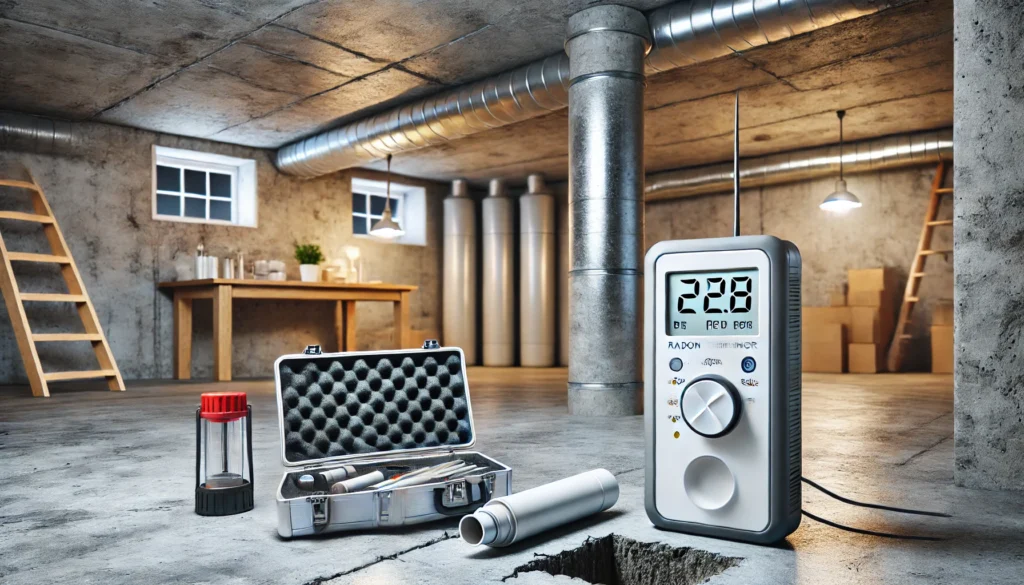
The tools used for radon testing include passive devices like charcoal canisters and alpha track detectors, as well as active devices such as continuous radon monitors, which provide accurate measurements of radon levels in indoor environments.
What is the process of radon mitigation?
The process of radon mitigation involves assessing radon levels, designing a system to reduce them, and installing ventilation or suction systems to divert radon gas outside, ensuring a safer indoor environment for residents.
How long does radon stay in a home?
Radon can remain in a home indefinitely if not properly mitigated. Its concentration can vary based on factors like ventilation and soil composition, but without intervention, it will persist in the indoor environment.
What are the symptoms of chronic radon exposure?
The symptoms of chronic radon exposure include persistent cough, shortness of breath, and fatigue, which may develop over time. Long-term exposure significantly increases the risk of lung cancer, making awareness and testing essential for safety.
How can I find a radon testing service?
Finding a radon testing service is straightforward. You can search online for local professionals, check reviews, or visit EnviroPro 360's website for reliable testing and mitigation services tailored to ensure a safe indoor environment.
What regulations exist for radon levels?
Regulations for radon levels are established to protect public health, with the U.S. Environmental Protection Agency (EPA) recommending a maximum indoor radon level of 4 pCi/L. Local and state regulations may vary, often mandating testing and mitigation in homes and schools.
How does radon enter a home?
Radon enters a home primarily through cracks in the foundation, gaps around pipes, and other openings in the building's structure. It can also seep in through well water and accumulate in enclosed spaces, posing health risks.
What are the health implications of radon exposure?
The health implications of radon exposure include an increased risk of lung cancer, particularly for smokers. Long-term exposure to radon, an odorless and colorless gas, can lead to serious respiratory issues and other health concerns.
How can I educate others about radon risks?
Educating others about radon risks involves sharing information on its health implications, promoting testing, and discussing mitigation strategies. Utilize resources from organizations like EnviroPro 360 to provide accurate data and encourage safe indoor environments.
What is the relationship between radon and cancer?
The relationship between radon and cancer is significant, as prolonged exposure to radon gas is a leading cause of lung cancer in non-smokers. It is crucial to test for radon levels in homes to mitigate this risk.
How can I ensure my home is radon-free?
Ensuring your home is radon-free involves regular testing and, if necessary, professional mitigation services. Utilize radon detectors and consult EnviroPro 360 for comprehensive testing and solutions to maintain a safe indoor environment.
What are the best practices for radon testing?
The best practices for radon testing include conducting tests during the colder months when windows are closed, using long-term testing devices for accurate results, and ensuring all windows and doors remain closed for 12 hours prior to testing.
How does radon exposure vary by location?
Radon exposure varies by location due to geological differences, building materials, and ventilation practices. Areas with high uranium content in the soil are more prone to elevated radon levels, making local testing essential for safety.
What resources are available for radon education?
Resources available for radon education include the Environmental Protection Agency (EPA) website, state health department materials, and local radon awareness programs. Additionally, EnviroPro 360 offers informative guides and professional consultations to enhance understanding of radon risks and mitigation.