Frequently Asked Questions
What are the common reasons for radon test failures in new apartments?
Common reasons for radon test failures in new apartments include inadequate soil ventilation, lack of proper radon mitigation systems, and construction flaws that allow radon gas to seep indoors. New construction does not guarantee safety from radon exposure.
How can renters ensure their new apartment is safe from radon?
Renters can ensure their new apartment is safe from radon by conducting their own radon tests and seeking professional testing services, such as those offered by EnviroPro 360, to identify and mitigate any potential radon issues.
What steps should be taken if a radon test fails in a newly constructed apartment?
If a radon test fails in a newly constructed apartment, the first step is to confirm the results with a follow-up test. If the elevated levels are verified, contact a professional radon mitigation service to assess and install necessary systems to reduce radon levels effectively.
What causes radon test failures in apartments?
The causes of radon test failures in apartments include inadequate soil ventilation, the absence of proper mitigation systems, and construction flaws that allow radon gas to seep indoors. These factors can compromise the effectiveness of radon testing.
How to identify radon risks in new constructions?
Identifying radon risks in new constructions involves assessing soil ventilation, checking for proper mitigation systems, and conducting radon tests. Even newly built apartments can have elevated radon levels, so proactive testing is essential for safety.
What mitigation options exist for radon issues?
Mitigation options for radon issues include installing a radon mitigation system, which often involves a vent pipe and fan to draw radon from beneath the home and release it outside, as well as improving ventilation and sealing cracks in floors and walls.
How often should radon testing be conducted?
Radon testing should be conducted at least every two years, or more frequently if you make significant changes to your home or experience changes in your environment. Regular testing ensures ongoing safety from radon exposure.
What are the signs of radon presence indoors?
The signs of radon presence indoors include elevated radon levels detected through testing, particularly in lower levels of buildings, and potential health symptoms in occupants, such as unexplained respiratory issues.
Can ventilation systems reduce radon levels effectively?
Ventilation systems can effectively reduce radon levels by improving air circulation and diluting radon concentrations. However, their efficiency depends on proper installation and maintenance, along with the specific characteristics of the building.
What is the recommended radon level for safety?
The recommended radon level for safety is 4 picocuries per liter (pCi/L) or lower. Levels above this threshold may pose health risks, so it's crucial to conduct regular testing, especially in newly constructed apartments.
How do soil conditions affect radon levels?
Soil conditions significantly influence radon levels. Poorly ventilated or compacted soil can trap radon gas, increasing its concentration in nearby structures, including new apartments. Proper soil management is essential for minimizing radon exposure.
What should renters know about radon testing?
Renters should know that radon testing is essential, even in new apartments, as construction does not guarantee safety from radon gas. It's important to conduct tests regularly and consider professional services for accurate results and mitigation guidance.
Are there specific radon tests for new apartments?
Specific radon tests for new apartments do exist. While new constructions may seem safe, they can still have radon issues; therefore, it's crucial to conduct thorough testing to ensure a healthy living environment.
How can radon levels be monitored continuously?
Continuous monitoring of radon levels can be achieved using electronic radon detectors, which provide real-time measurements and alerts. These devices can be installed in your home to ensure ongoing safety from radon exposure.
What are the health risks associated with radon exposure?
The health risks associated with radon exposure include an increased likelihood of developing lung cancer, particularly for smokers. Prolonged exposure to elevated radon levels can lead to serious respiratory issues and other health complications.
How to interpret radon test results accurately?
Interpreting radon test results accurately involves understanding the measurement units (pCi/L) and comparing your results to the EPA's action level of 4.0 pCi/L; levels above this indicate a need for mitigation to ensure safety.
What actions to take after a failed radon test?
The actions to take after a failed radon test include contacting a certified radon mitigation professional to assess the situation, implementing recommended mitigation solutions, and conducting follow-up testing to ensure radon levels are reduced to safe limits.
How can landlords ensure radon safety in rentals?
Landlords can ensure radon safety in rentals by conducting regular radon testing, installing mitigation systems if necessary, and providing tenants with information on radon risks and safety measures.
What is the cost of radon mitigation services?
The cost of radon mitigation services typically ranges from $800 to $2,500, depending on the complexity of the installation and the specific needs of the property.
How does radon enter newly constructed buildings?
Radon enters newly constructed buildings primarily through cracks in the foundation, gaps around pipes, and other openings in the structure. It can also seep through the soil beneath the building, making proper ventilation and mitigation essential for safety.
What regulations exist for radon testing in apartments?
Regulations for radon testing in apartments vary by state, but generally, testing is recommended, and landlords may be required to disclose radon levels. In Georgia and South Carolina, there are no specific laws mandating testing in new constructions, emphasizing the need for renters to conduct their own tests for safety.
How can renters advocate for radon testing?
Renters can advocate for radon testing by discussing the importance of safety with their landlords, requesting radon testing as part of the lease agreement, and providing information about radon risks to encourage proactive measures in newly constructed apartments.
What equipment is used for radon testing?
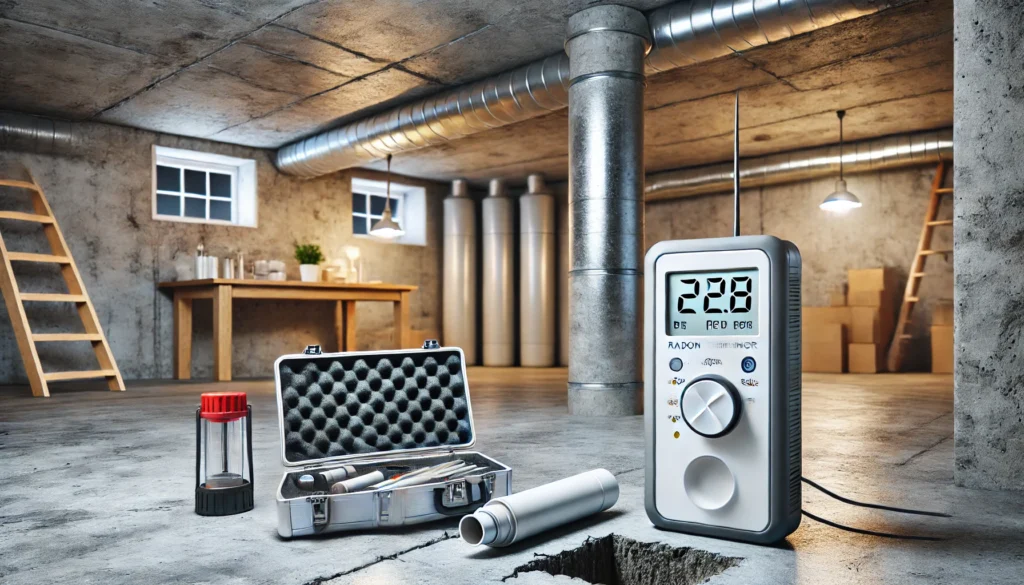
The equipment used for radon testing includes passive devices like charcoal canisters and alpha track detectors, as well as active monitors that continuously measure radon levels. These tools help ensure accurate assessments of radon presence in homes and apartments.
How long does a radon test typically take?
The duration of a radon test typically ranges from 48 hours to 7 days, depending on the type of test being conducted. It's essential to follow specific guidelines to ensure accurate results.
What are the limitations of radon testing methods?
The limitations of radon testing methods include variability in results due to factors like short testing duration, improper placement of testing devices, and environmental conditions that can affect radon levels.
How can community awareness improve radon safety?
Community awareness can significantly improve radon safety by educating residents about the risks of radon exposure and the importance of regular testing. Increased knowledge encourages proactive measures, leading to safer living environments and effective mitigation strategies.
What role does building design play in radon levels?
The role of building design in radon levels is significant. Proper ventilation, foundation type, and construction materials can influence radon entry and accumulation, making thoughtful design essential for minimizing radon exposure in residential spaces.
How can homeowners prepare for radon testing?
Homeowners can prepare for radon testing by ensuring all windows and doors are closed 12 hours prior to the test, avoiding any ventilation changes, and keeping the testing area free from any obstructions.
What resources are available for radon education?
Resources for radon education include government websites, local health departments, and organizations like the EPA. Additionally, EnviroPro 360 offers informative materials and professional guidance to help renters understand radon risks and testing procedures.
How can radon testing be integrated into home inspections?
Integrating radon testing into home inspections involves including radon measurement as a standard part of the inspection process. This ensures that potential radon levels are assessed, providing crucial safety information for homebuyers and renters alike.