You finally got the apartment you wanted. Second floor, quiet neighbors, no basement smells—and no radon worries… right?
Not so fast.
Many renters assume that radon gas only affects people who live in basements or first-floor units. But the truth is, radon doesn’t care where your lease puts you—it can seep into any unit and put you at risk.
So what exactly is radon, and why should you care about it if you’re not in a ground-level unit?
What Is Radon—And Why Is It Dangerous?
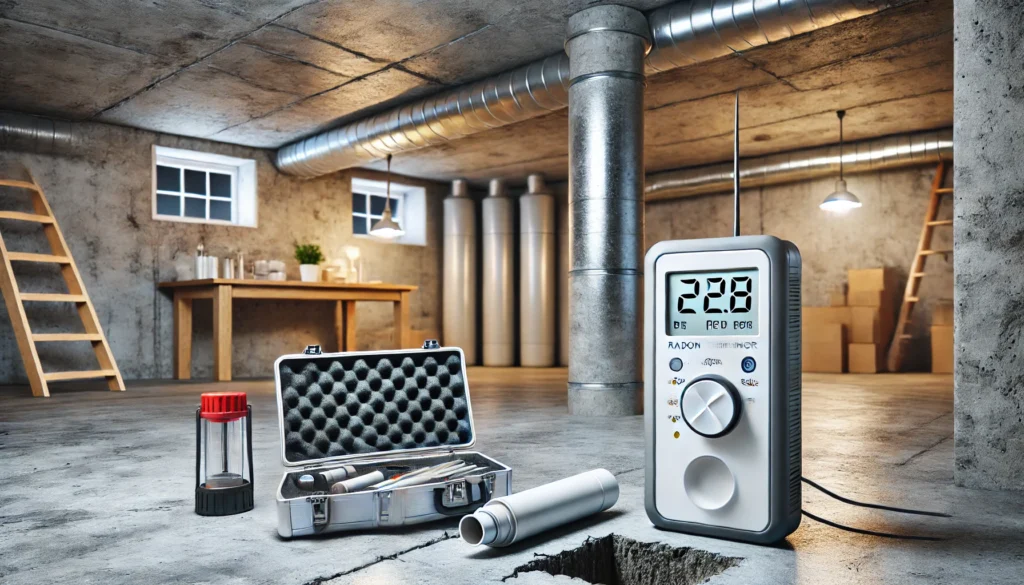
Radon is an invisible, odorless gas that forms naturally underground. It enters buildings through cracks in foundations, crawl spaces, sump pumps, and even plumbing gaps.
Over time, breathing in high levels of radon can damage your lungs. In fact, radon is the second leading cause of lung cancer in the United States, according to the EPA.
You don’t have to smoke to be at risk. You just have to breathe in the wrong apartment.
Does Radon Really Reach Upper Floors?
Yes—and here’s how:
- Stack Effect (aka Chimney Effect): As warm air rises inside buildings, it pulls radon up from the lower levels—meaning second- and third-story units are still exposed.
- Shared Air Ducts & Vents: Many apartment buildings have connected ventilation systems. That means radon gas that enters one unit can move into another.
- Poor Building Seals: Some newer or renovated buildings are so tightly sealed for energy efficiency that radon has nowhere to escape—so it just builds up, even on higher floors.
So no, just because you’re living above ground doesn’t mean you’re floating above the problem.
How Can Renters Test for Radon?
The good news? Testing is simple.
You can:
- Use an at-home radon test kit (best for long-term monitoring).
- Request a professional radon test, especially if you suspect high levels or live in a known radon zone.
In fact, some states—like South Carolina and Georgia—recommend radon testing before signing or renewing any lease.
What Should You Do if Radon Levels Are High?
If your radon test shows unsafe levels (4.0 pCi/L or higher), your landlord may be responsible for mitigation depending on local laws.
Mitigation systems can reduce radon levels by up to 99% and often involve venting the gas outside using fans and pipes.
If your landlord won’t act? You can contact local housing authorities or call us at EnviroPro 360 for help navigating your options.
Radon Doesn’t Care What Floor You’re On—But We Do
At EnviroPro 360, we specialize in radon testing for renters and apartment buildings in Georgia and South Carolina. Whether you’re moving in, renewing your lease, or just want peace of mind—we’ve got your back.
Schedule your radon test today and breathe easier—wherever you live.