Most homeowners in the Augusta area think about environmental hazards as one-time problems. You find mold, you fix it. You test for radon, you mitigate. But the conditions that create these hazards change throughout the year, and understanding that cycle is the difference between reacting to problems and preventing them.
Georgia’s climate creates a distinct seasonal pattern for indoor environmental risks. The EPA emphasizes that moisture control is the foundation of mold prevention, and in a climate where outdoor humidity regularly swings from 30% in winter to 80%+ in summer, moisture control is a year-round job.
The following sections cover what each season brings and what you can do about it.
Spring (March through May)
The Risks
Post-storm moisture intrusion. Spring thunderstorms are when most roof leaks reveal themselves. Water can enter through damaged flashing, clogged gutters that overflow against the fascia, and wind-driven rain through gaps in siding or around windows. Any water that gets into wall cavities or attic spaces during a spring storm can become a mold problem within 48 hours.
Rising humidity. As temperatures warm, outdoor humidity increases. Crawl spaces begin absorbing moisture from the soil and humid air, especially if they lack proper vapor barriers. By late spring, crawl space relative humidity in the Augusta area can reach 70% to 80%, well into the range that supports mold growth.
Pollen and particulates. While not an environmental hazard in the same category as mold or radon, Georgia’s intense spring pollen season compounds indoor air quality concerns. Pollen enters through open windows and doors and gets recirculated by HVAC systems. For occupants with respiratory sensitivities, this overlaps with any existing mold or IAQ issues.
What to Do
- Inspect your roof, gutters, and exterior after major storms. Address any water entry immediately.
- Check your crawl space for standing water, condensation on surfaces, and the condition of the vapor barrier.
- Change HVAC filters at the start of the season and consider running the system in “fan only” mode less frequently to limit outdoor air infiltration during peak pollen.
Summer (June through August)
The Risks
Peak mold conditions. This is the highest-risk season for mold in the CSRA. Outdoor relative humidity regularly exceeds 70%, daytime temperatures stay above 85°F, and the combination creates ideal mold growth conditions. Any area of your home with inadequate ventilation, poor moisture management, or hidden water intrusion is at maximum risk.
AC condensation issues. Your air conditioning system removes moisture from indoor air and deposits it in a condensate drain pan, which drains through a line to the exterior. If the drain pan overflows or the condensate line clogs, water backs up into the air handler, dripping into walls, ceilings, or wherever the unit is installed. This is one of the most common sources of hidden moisture damage in the Southeast.
According to the CDC, keeping indoor humidity below 50% is essential for mold prevention. In Augusta’s summer, your HVAC system is the primary tool for achieving this.
Stack effect in crawl spaces. Hot, humid air rises through the home. In summer, moisture-laden air from a wet crawl space migrates upward through the floor system into the conditioned space above. This both increases indoor humidity and exposes floor joists and subfloor sheathing to sustained moisture.
What to Do
- Monitor indoor humidity with a digital hygrometer (under $15). Keep it below 50%.
- Inspect your AC condensate drain line monthly. Pour a cup of white vinegar through the line to prevent algae clogs.
- If you have a crawl space, check humidity levels and consider a dehumidifier if they consistently exceed 60%.
- Run exhaust fans during and for 30 minutes after cooking and bathing.
Fall (September through November)
The Risks
Radon testing window. Fall and winter are considered the most accurate periods for radon testing because homes are typically closed up with less ventilation, producing readings closer to your true year-round average. If radon testing has been on the to-do list, fall is an ideal time.
Transition moisture. As outdoor temperatures drop but humidity remains moderate, condensation can form on cooler surfaces inside the home, particularly on single-pane windows, poorly insulated walls, and metal door frames. This condensation provides surface moisture for mold growth.
Leaf debris and drainage. Clogged gutters and leaf accumulation against the foundation can redirect water toward the building, increasing moisture load in crawl spaces and basements. The EPA identifies exterior drainage as a key factor in controlling moisture entry.
What to Do
- Schedule a radon test. A 48-hour continuous radon monitor test in fall gives you reliable data on your home’s radon levels.
- Clean gutters and downspouts before leaf fall peaks. Ensure downspout extensions direct water at least 4 feet from the foundation.
- Inspect windows for condensation and address any weatherstripping or insulation gaps.
Winter (December through February)
The Risks
Elevated radon concentrations. During winter, homes in the Augusta area are closed up more tightly. Reduced ventilation allows radon to accumulate to higher concentrations than during warmer months when windows are open and air exchange is greater. The EPA notes that radon levels can vary seasonally, and winter readings tend to be the highest.
Reduced ventilation and IAQ. With windows and doors closed, indoor air pollutants accumulate. This includes not just radon but also VOCs (volatile organic compounds) from household products, CO2 from occupants, and any mold spores circulating through the HVAC system. Newer, tighter homes are more affected because they have lower natural air exchange rates.
Holiday cooking and moisture. Extended cooking, additional house guests, and reduced ventilation during winter holidays can spike indoor humidity temporarily, feeding mold on surfaces that are already borderline.
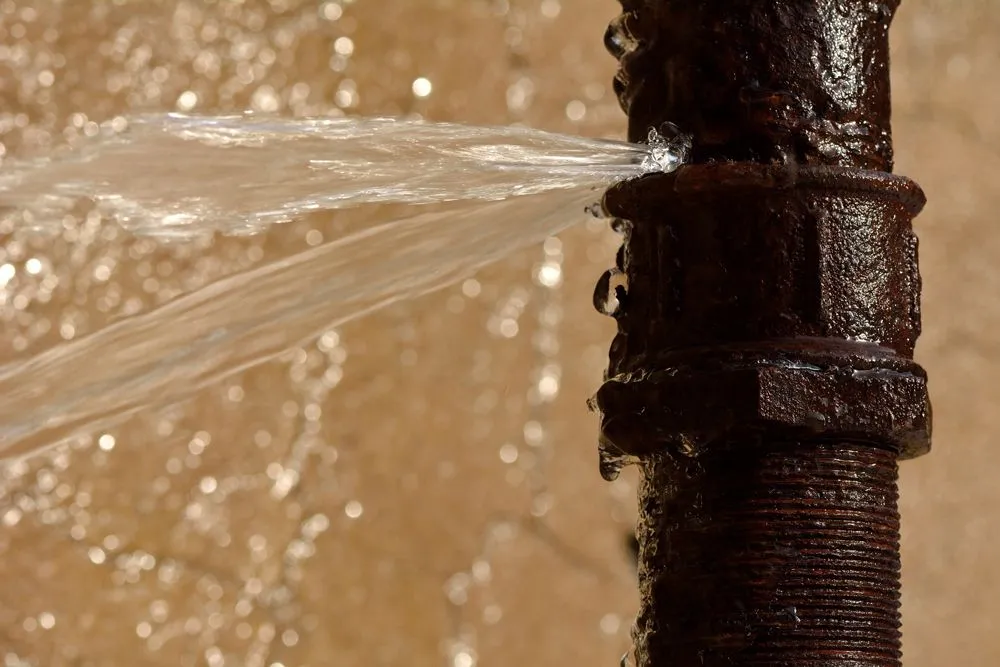
Pipe freezing and burst risk. While Augusta’s winters are mild compared to the Northeast, temperatures do occasionally drop below freezing. Pipes in crawl spaces, exterior walls, and unheated areas can freeze and burst, causing sudden water damage that becomes a mold problem if not dried thoroughly within 48 hours.
What to Do
- If you tested for radon in summer and got a borderline result (2.0 to 3.9 pCi/L), retest in winter to get a reading under closed-house conditions.
- Run bathroom exhaust fans during showers and kitchen exhaust fans during cooking, even though it feels counterintuitive to vent heated air.
- Insulate pipes in crawl spaces and exterior walls before the first freeze.
Year-Round Habits
Some practices matter regardless of the season:
-
Keep indoor humidity between 30% and 50%. A $15 hygrometer in a central location tells you where you stand. Adjust dehumidifiers, HVAC settings, and ventilation accordingly.
-
Inspect your crawl space twice a year (spring and fall). Look for standing water, condensation, mold, and vapor barrier condition. Crawl space problems drive whole-house problems in this climate.
-
Do not ignore small signs. A musty smell, a water stain, condensation on a window, or a soft spot in the floor. These are early warnings. Addressing them when they are small prevents them from becoming expensive.
If you want a professional assessment of your home’s environmental conditions, or you have noticed something that concerns you, the EnviroPro 360 team is ready to assist. Contact EnviroPro 360 to schedule testing and get ahead of whatever the season brings.