PCR Mold Testing for Hospitals and Healthcare Facilities: How It Works and When to Use It
How PCR mold testing works, how it compares to spore trap and culture tests, and when hospitals, clinics and care facilities should use it for mold.

Explore the EnviroPro 360 Blog for expert insights on environmental testing in Georgia and South Carolina, from mold to radon and beyond.
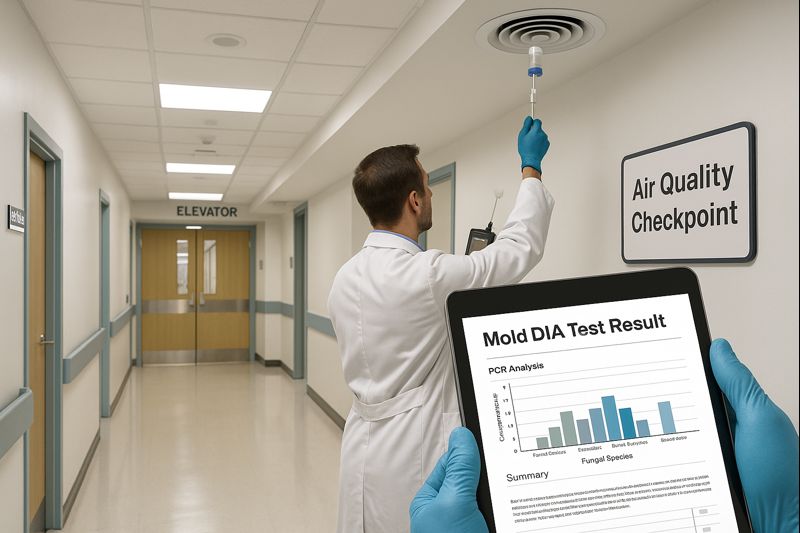
How PCR mold testing works, how it compares to spore trap and culture tests, and when hospitals, clinics and care facilities should use it for mold.
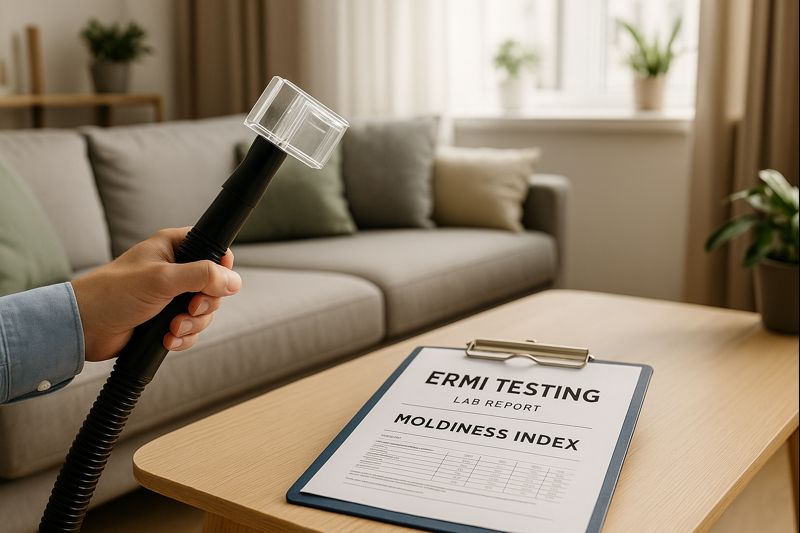
What an ERMI mold test measures, how the ERMI score works, how ARMI compares, and when a qualified mold inspector would suggest either dust test.
What Is ERMI Testing? ERMI vs. ARMI Mold Tests Explained Read More »
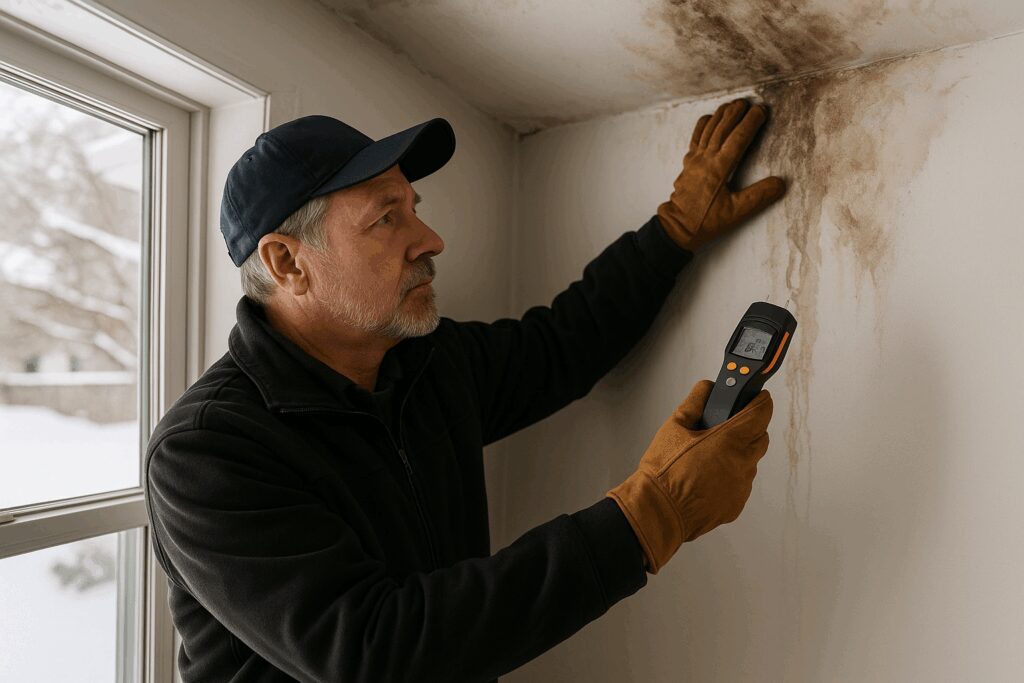
When Winter Weather Turns Into Water Damage Winter in Georgia and South Carolina may not bring blizzards, but the season creates the perfect storm for hidden leaks. Cold snaps, freezing nights, heavy rain, and increased heater usage all put added stress on building materials and plumbing. The result is often silent: slow, unnoticed moisture behind
Winter Leaks, Hidden Damage: How Small Drips Turn Into Big Problems Read More »
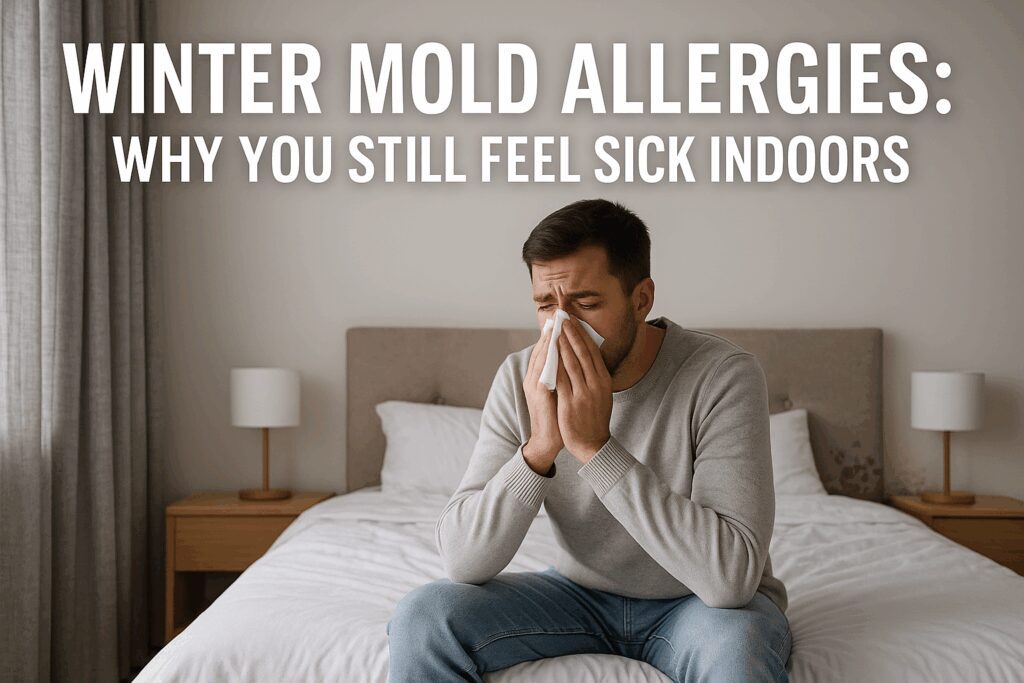
The pollen count drops in winter, windows stay closed, and most Augusta-area residents assume their indoor air quality improves during the colder months. For many, the opposite is true. Winter in Georgia and South Carolina creates conditions that favor indoor mold growth: sealed homes with reduced ventilation, condensation from heating systems on cool surfaces, and
Winter Mold Allergies: Why You Still Feel Sick Indoors Read More »
Winter in the CSRA does not look like winter in the Midwest. There is no extended hard freeze, no snow covering rooftops for weeks, no pipes locked solid until March. What the Augusta area gets instead is a particular combination of mild temperatures, persistent ground moisture, and humidity that stays elevated even when the air
Can Cold Weather Hide a Mold Problem? Read More »
Which buildings need Legionella testing, how cooling towers and hot water systems grow it, whether testing is required by law, and how often to test.
Legionella Testing: Is Your Building’s Water Hiding a Health Risk? Read More »
Was asbestos used in insulation? How to spot asbestos pipe, boiler and attic insulation, why old insulation is a health risk, and what owners must do.
Commercial buildings develop mold problems through the same mechanisms as residential properties — moisture intrusion, inadequate ventilation, and HVAC failures — but on a larger scale and with more complex consequences. In Augusta and the CSRA, where older commercial building stock intersects with a climate that delivers significant humidity and rainfall, mold in workplaces is
How to Tell If Your Workplace Has a Mold Problem Before Employees Get Sick Read More »
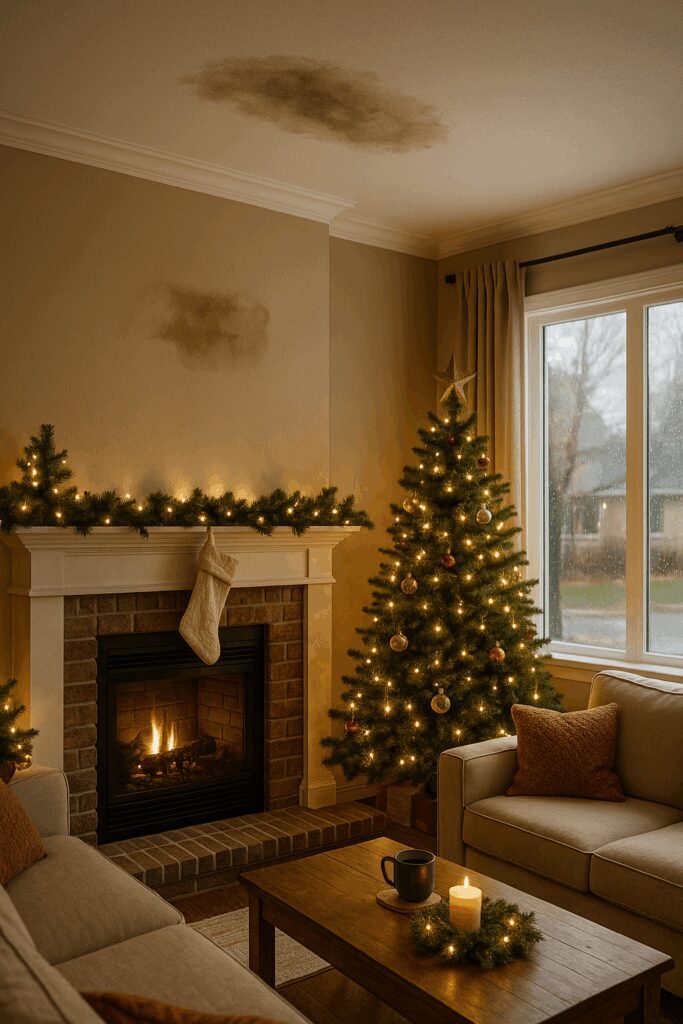
Roof leaks, storms, clogged gutters and small plumbing drips can all lead to mold. A season-by-season leak checklist for Georgia and South Carolina homes.
Leaks That Turn Into Mold: A Year-Round Checklist for Georgia and South Carolina Homes Read More »
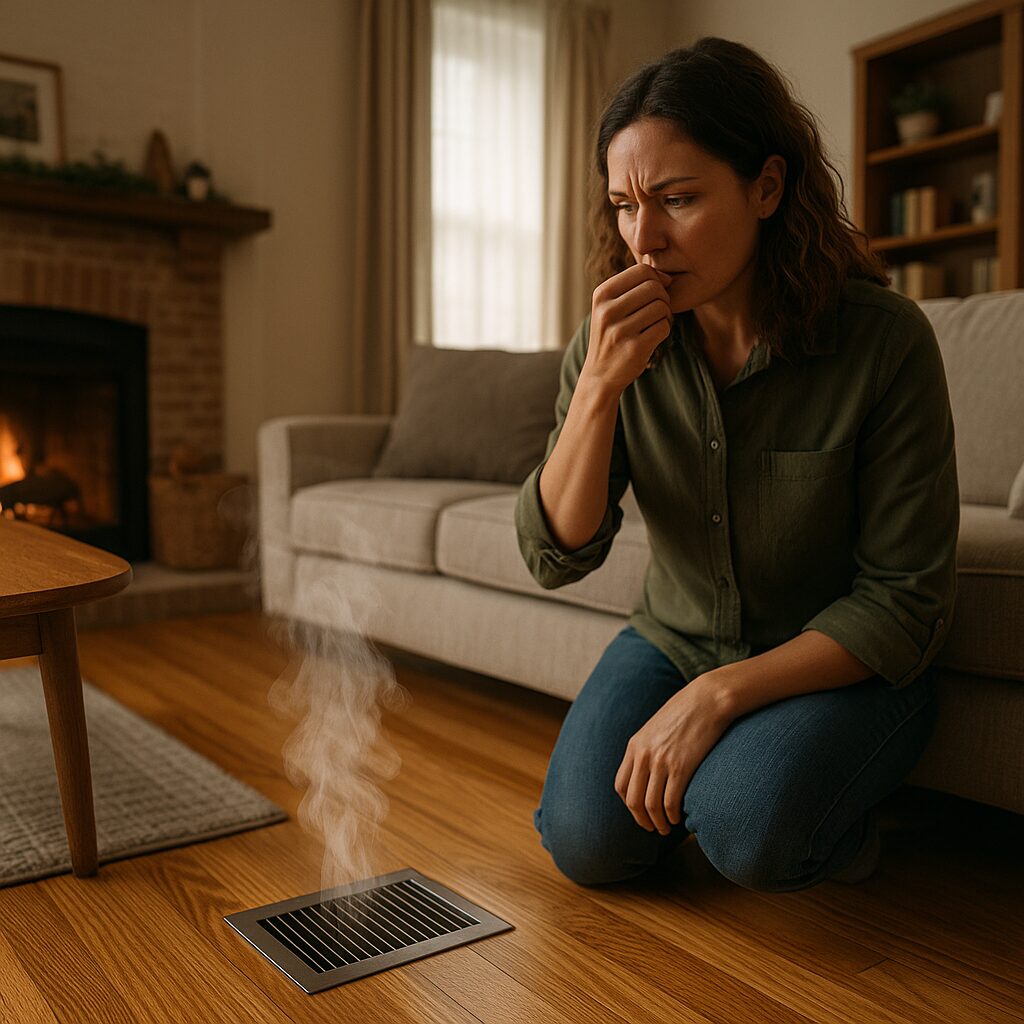
That moment in late October or early November when you switch on the heat can turn uncomfortable fast if it comes with a musty, stale odor drifting out of the registers. In CSRA homes, this is a common seasonal experience, and it is not always harmless. The instinct is to brush it off as dust
My House Smells Musty When the Heat’s On: Should I Be Worried? Read More »