EnviroPro 360 Blog

Explore the EnviroPro 360 Blog for expert insights on environmental testing in Georgia and South Carolina, from mold to radon and beyond.

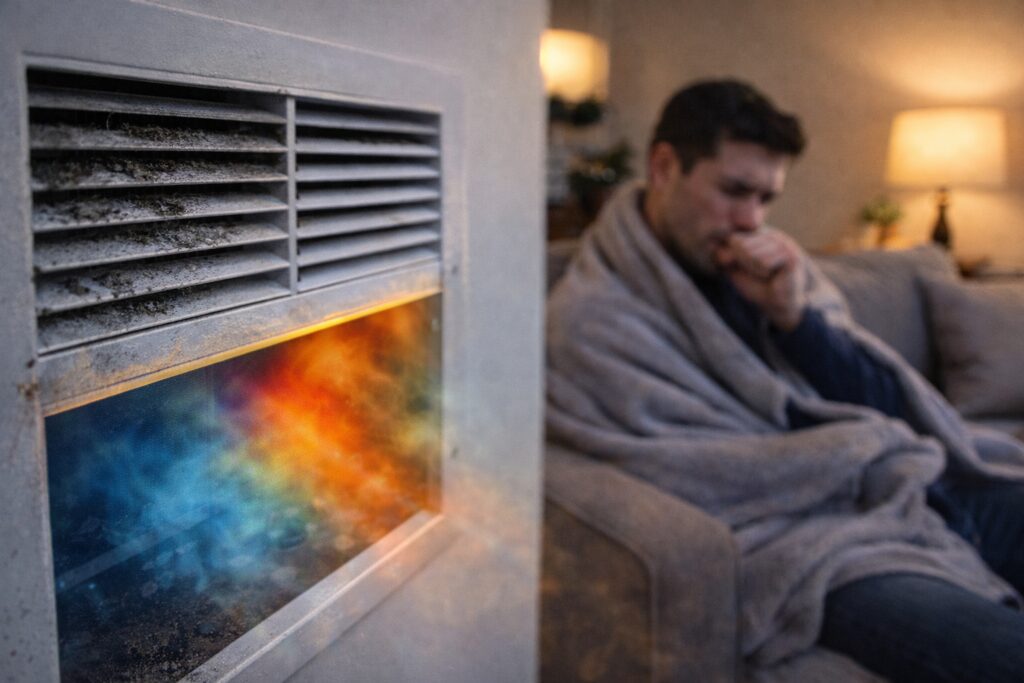
Persistent coughing indoors? Your HVAC system could be spreading hidden mold spores. Discover the warning signs and how EnviroPro 360 detects what’s in your air.

Coughing That Won’t Quit? It Could Be Mold Hiding in Your HVAC

In Augusta and the CSRA, HVAC systems run for most of the year. Cooling begins in April and often does not stop until October. Heating fills the gap. That near-continuous operation, combined with the region’s humidity, creates ideal conditions for mold growth inside ductwork, drain pans, and air handler components — where the mold stays

Coughing That Won’t Quit? It Could Be Mold Hiding in Your HVAC Read More »

Image showing legionella bacteria over a background of the state of Georgia and a VA healthcare facility.

A Wake-Up Call for Georgia Facilities: What the Atlanta VA Legionella Case Means for You

Legionella can turn everyday water systems into a serious health risk—often without any visible signs. Learn how proactive Legionella testing with EnviroPro 360 helps hospitals, senior living, hotels, and commercial buildings in Georgia and South Carolina prevent outbreaks before they start.

A Wake-Up Call for Georgia Facilities: What the Atlanta VA Legionella Case Means for You Read More »

A seller’s radon test might not tell the whole story. If you’ve just bought a home, here’s why it’s smart—and safe—to schedule a second test now.

Just Bought a Home? Here’s Why You Should Still Test for Radon—Even If the Seller Already Did

Home buyers in Georgia and South Carolina often receive a radon test result as part of the transaction disclosure process. The seller arranges a test, the result comes back below the EPA action level of 4.0 pCi/L, and the buyer moves forward satisfied that radon has been addressed. But a seller’s test result is not

Just Bought a Home? Here’s Why You Should Still Test for Radon—Even If the Seller Already Did Read More »

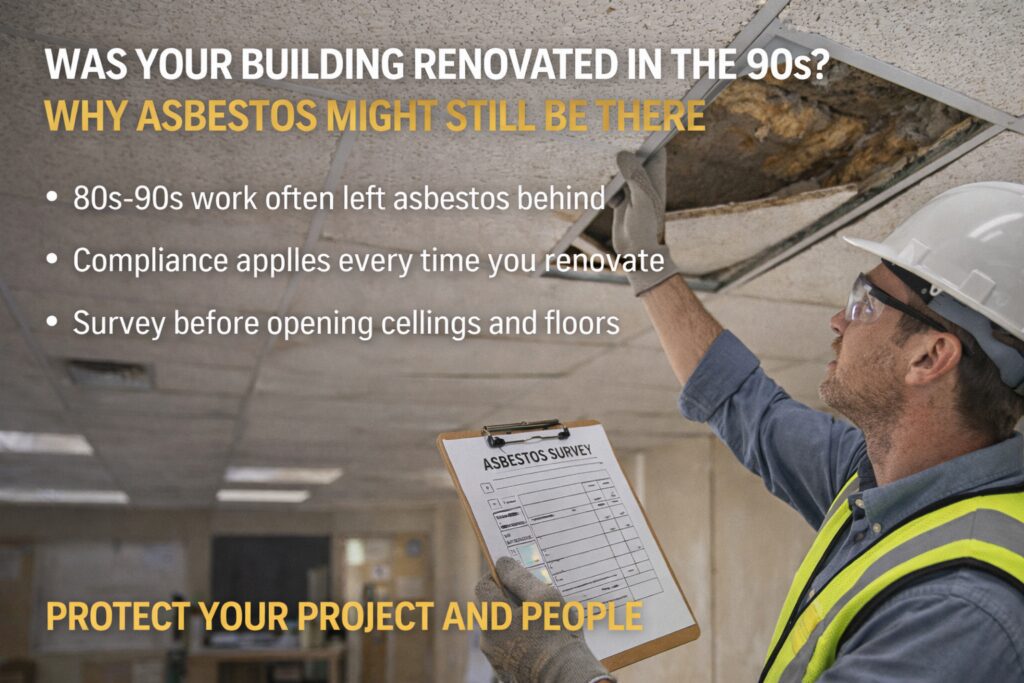
Renovated ≠ asbestos-free. 80s–90s projects often encapsulated asbestos instead of removing it. Here’s where it still hides, what triggers testing today, and how EnviroPro 360 keeps GA & SC properties compliant

Was Your Building Renovated in the 90s? Why Asbestos Might Still Be There

The 90s remodel myth: “We already took care of asbestos.” A lot of commercial and institutional properties across Georgia and South Carolina got facelifts in the late 80s and 90s—new ceilings, carpet over tile, mechanical upgrades. But many of those projects encapsulated asbestos-containing materials (ACM) rather than removing them, because leaving intact ACM and sealing

Was Your Building Renovated in the 90s? Why Asbestos Might Still Be There Read More »

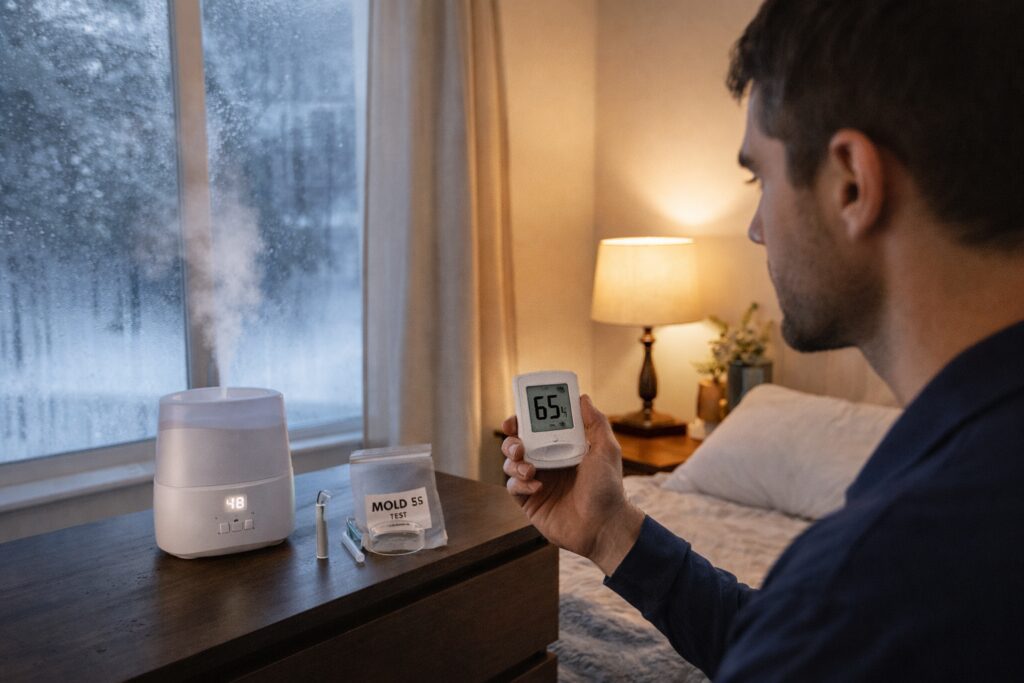
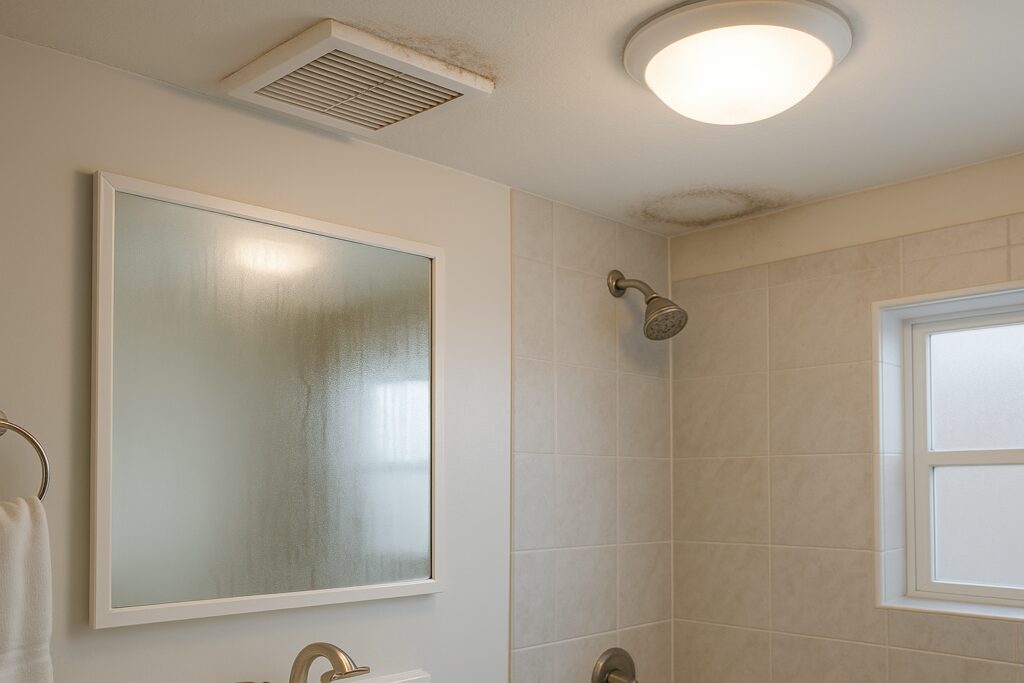
Winter humidifiers can improve comfort—but they can also become hidden sources of mold. Find out how to use them safely and when to call EnviroPro 360 for testing.

Why Your Humidifier Could Be Making You Sick: The Hidden Mold Risk in ‘Clean Air’ Devices

Portable and whole-house humidifiers are common in Augusta and CSRA homes during winter, when forced-air heating systems reduce indoor relative humidity and occupants experience dry skin and irritated sinuses. Used correctly, a humidifier improves comfort. Used incorrectly or infrequently cleaned, it introduces a reliable moisture source for indoor mold growth in the very rooms where

Why Your Humidifier Could Be Making You Sick: The Hidden Mold Risk in ‘Clean Air’ Devices Read More »

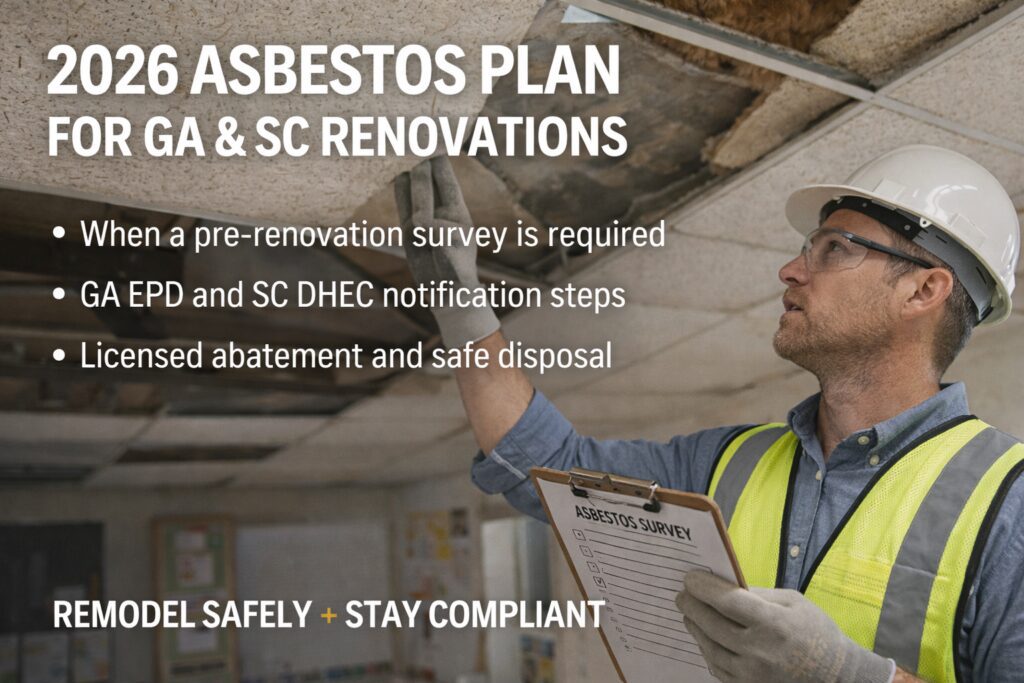
Winter fit-outs move fast. Use this step-by-step plan to meet asbestos survey, notification, and work-practice rules in Georgia and South Carolina—before demo or renovation starts.

Your NESHAP-Ready Asbestos Plan for Renovations in Georgia and South Carolina

EPA’s Asbestos NESHAP sets work practices that must be followed during demolition and renovation of facilities — institutional, commercial, industrial, public, and most multi-unit residential buildings. There is a limited exemption for residential buildings of four or fewer dwelling units, but that exemption has edges that trip up project managers regularly. If you’re planning a

Your NESHAP-Ready Asbestos Plan for Renovations in Georgia and South Carolina Read More »

Scroll to Top