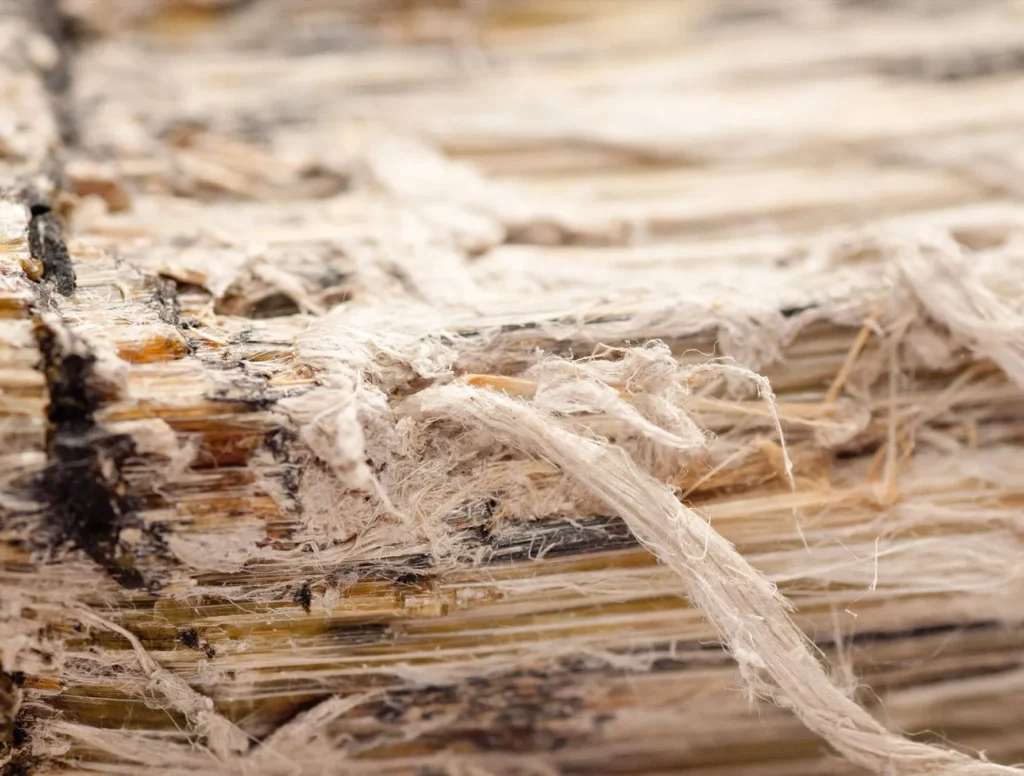
Why every renovation needs an asbestos survey
Under EPA’s Asbestos NESHAP, owners and operators must conduct a thorough inspection of the renovation or demolition area to determine the presence of asbestos-containing material (ACM). This applies to most facilities and non-single-family projects. Performing work per NESHAP prevents contamination during and after construction.
In Georgia, EPD requires project notification at least 10 working days before demolition, renovation involving ACM, or asbestos abatement. Submittals are made through the GEOS portal.
South Carolina’s DHEC Regulation 61-86.1 sets licensing, project design, and notification requirements for asbestos projects, including demolitions and renovations.
The manager’s step-by-step checklist
1) Determine applicability
- Is your project demolition or renovation that will disturb suspect materials (ceilings, flooring, insulation, mastics, roofing, cement board)?
- Is the building a facility under NESHAP (commercial, industrial, institutional, multi-unit residential)? If yes, a survey is required before work.
2) Hire the right professionals
- Retain a state-licensed asbestos inspector to perform a comprehensive survey of all suspect materials in the work area.
- Ensure bulk samples are analyzed by an accredited laboratory and reported with locations, types, and quantities of ACM.
- For projects that will disturb ACM, plan for a licensed abatement contractor and, when required, a project designer and air monitor per SC DHEC.
3) Plan the survey scope
- Include hidden spaces: pipe chases, plenums, underlayment, roofing layers, mechanical rooms, elevator shafts, and exterior transit panels.
- Coordinate selective destructive testing as needed and restore openings safely.
4) Collect and document samples
- Ensure sample IDs match floor plans.
- Maintain a chain of custody and keep the full survey report onsite for inspectors and contractors. EPA compliance monitoring programs verify NESHAP adherence at active sites.
5) File required notifications
- Georgia: Submit GEOS notification 10 business days in advance for demolition, renovation disturbing ACM, or abatement. Separate notifications may be needed when abatement precedes demo.
- South Carolina: Submit written DHEC notification with project details and fees before work; demolition notices are required even when no ACM is identified.
6) Specify work practices
- Your abatement plan should define regulated areas, negative pressure containment, wet methods, waste handling, and air clearance.
- OSHA’s construction standard requires employers to keep exposures ≤ 0.1 f/cc as an 8-hr TWA and to implement controls and medical surveillance where applicable.
7) Coordinate other trades
- Sequence abatement before general demolition or renovation that could disturb ACM.
- Brief all subcontractors on restricted zones and access routes to prevent accidental disturbance.
8) Manage waste and transport
- Package and label RACM per NESHAP, retain manifests, and use approved disposal sites listed in the notification. (US EPA)
9) Clearance and close-out
- For abatement areas, obtain required visual inspection and air clearance before re-occupancy or re-entry by other trades, consistent with your state program and project specifications.
- Keep final reports, air results, and manifests with your facility records.
Special cases property managers ask about
- “No ACM found, do I still notify?”
Demolition projects in GA and SC typically still require notification even when no ACM is present. Verify with EPD/DHEC forms. - “Small residential buildings are exempt, right?”
NESHAP excludes single residential buildings with four or fewer units, but exemptions do not apply when multiple small residences on one site are demolished by the same owner or for commercial redevelopment. When in doubt, confirm with your state program. - “What if it’s an emergency?”
Emergency notifications are possible, but agencies still require prompt submittals and justification. Georgia’s form explains emergency procedures.
Winter timing tips for GA & SC projects
- Seasonal tenant build-outs and capital projects often stack up in winter. Submit notifications early to preserve schedule.
- Moisture and temperature swings can degrade aging ACM like pipe insulation. Build contingency into budgets for abatement discovered during selective demolition.
- Coordinate indoor air quality checks after abatement and before turnover to tenants.
EnviroPro 360: NESHAP-ready surveys and reports
As the Southeast’s premier environmental testing partner, EnviroPro 360 provides:
- Pre-renovation and pre-demolition asbestos surveys by licensed inspectors
- Clear, contractor-ready reports with drawings and sample logs
- Coordination with licensed abatement teams and GEOS/DHEC notification support
- Complementary services: mold/IAQ testing, leak detection, and radon testing
Final Thoughts
Planning a winter renovation or demo? Contact EnviroPro 360 for a certified asbestos survey and stay fully compliant in Georgia and South Carolina.