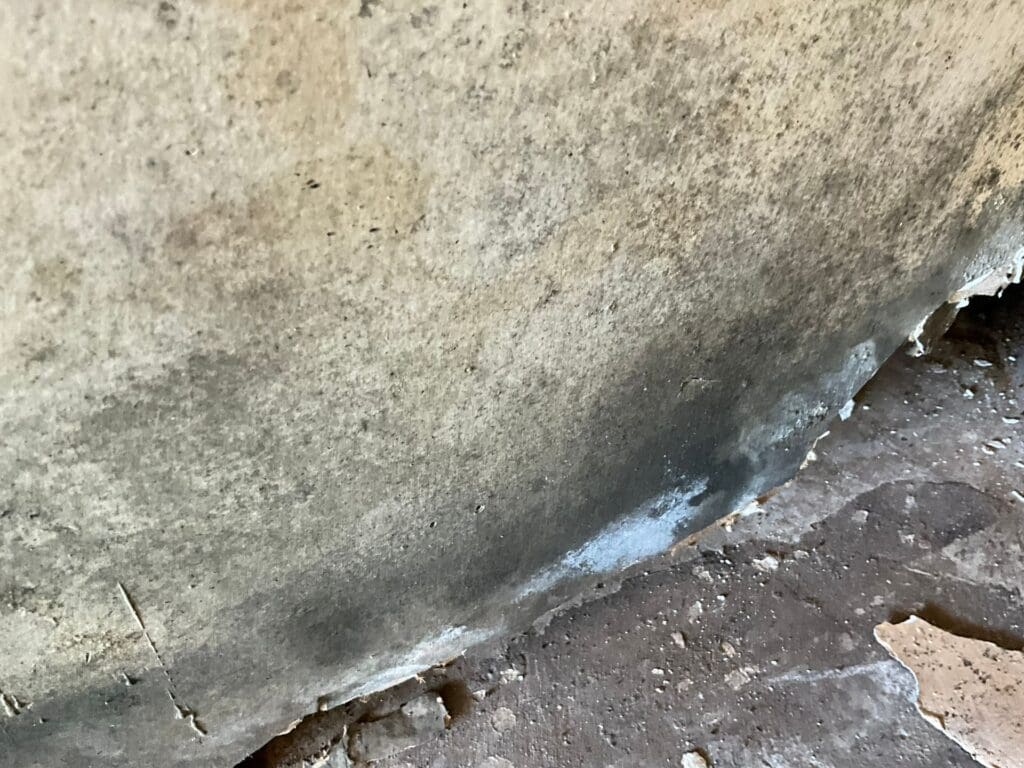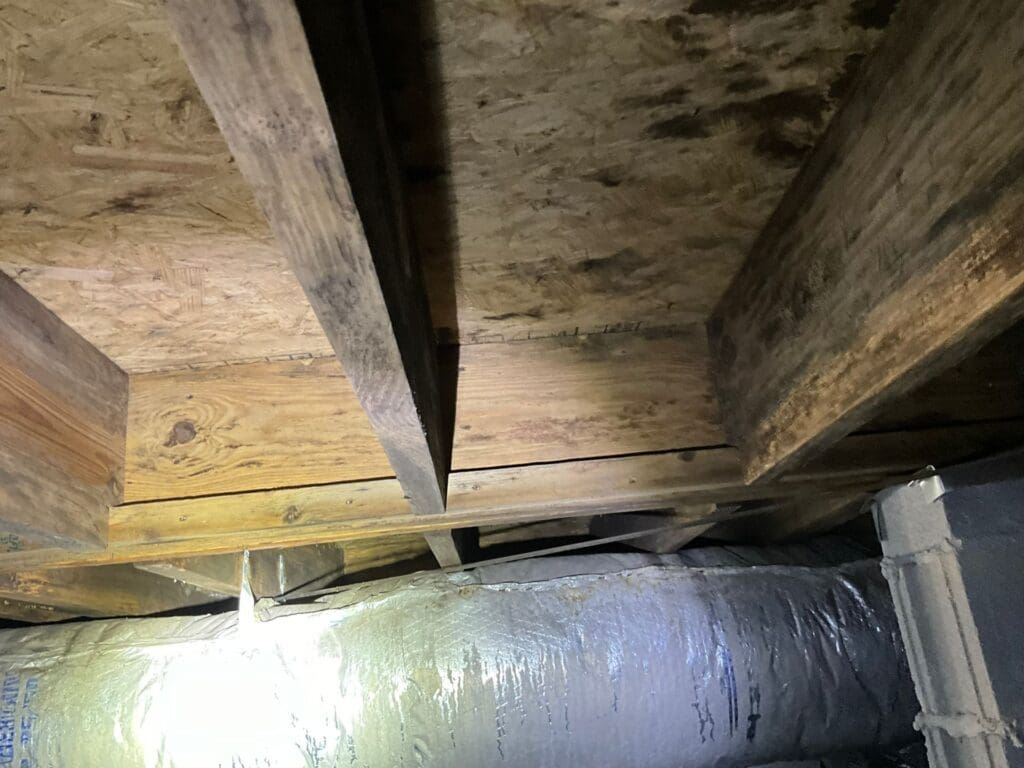
Is mold a code violation in Georgia or South Carolina?
If you manage apartments, rentals, or facilities in Augusta, Evans, North Augusta, or Aiken, mold is not just a “maintenance issue.” It is one of the fastest ways to trigger:
- Tenant complaints
- Health concerns
- Written notices and documentation requests
- Visits from local code enforcement or housing inspectors
- Conflict that escalates into legal and reputational risk
The smart approach is proactive: prevent moisture, document your response, and use professional mold testing when it matters.
This blog is informational, not legal advice. Regulations and enforcement can vary by city and situation. When in doubt, consult your attorney or local code office.
Quick answer: Is mold itself a code violation?
Georgia (Augusta and the CSRA)
Georgia law does not create a single statewide “mold code” with official indoor mold limits. Instead, mold issues usually become a code or legal problem when they connect to habitability and repair duties.
Georgia’s landlord duty statute requires landlords to keep premises in repair, and residential leases are deemed to include that the premises are fit for human habitation under O.C.G.A. § 44-7-13.
In practice, mold can become a violation issue when it stems from conditions that violate safety and habitability, like ongoing leaks, plumbing failures, roof intrusion, or lack of ventilation.
South Carolina (Aiken and surrounding areas)
South Carolina’s Residential Landlord and Tenant Act requires landlords to comply with applicable building and housing codes materially affecting health and safety, and to make repairs necessary to keep the premises fit and habitable under S.C. Code § 27-40-440.
Like Georgia, South Carolina does not set a simple “mold level limit” for rentals. Instead, mold becomes an enforcement problem when it reflects unsafe, unhealthy, or unrepaired conditions.
Bottom line: Mold is often treated as evidence of a habitability issue, especially when it is widespread, recurring, or tied to water problems.
Why mold issues escalate fast in apartments and facilities
Moisture problems are common, and mold grows quickly once materials stay wet.
- The EPA notes it is important to dry water-damaged areas and items within 24 to 48 hours to prevent mold growth.
- The CDC gives the same 24 to 48 hour guidance after flooding or water events.
When a tenant reports a leak on Friday and it is still wet Monday, you may already be moving from “maintenance request” to “mold complaint.”
Also, water events are not rare in housing. Travelers, citing Insurance Information Institute data, reports that over a five-year period, just over one non-weather water claim was filed per 50 homeowners policies each year, and the average cost per claim was almost $11,000.
Even if you are managing rentals rather than homeowner policies, it shows how common and costly water losses can be, and why water response systems matter.
The landlord compliance mindset: Treat mold as a documentation problem
Code enforcement, attorneys, and insurance adjusters often focus on three questions:
- Did you respond quickly after notice?
- Did you fix the moisture source, not just the stain?
- Can you prove the unit is safe after work was done?
That is where mold testing becomes one of the most useful tools landlords can use, not as a scare tactic, but as evidence and clarity.
How mold testing helps prevent code violations
1) Separates “cosmetic mildew” from a real indoor air problem
A visible spot does not always mean widespread contamination, but it can. Testing helps confirm what you are dealing with.
2) Creates a paper trail that you took the complaint seriously
A lab-backed report supports your response timeline, decisions, and next steps.
3) Supports post-repair verification
If remediation or drying work is performed, post-remediation verification testing helps demonstrate that the cleanup was successful and the unit is safe for re-occupancy.
4) Helps identify hidden issues before tenants do
Testing paired with moisture mapping can reveal problems inside walls, under flooring, or in HVAC pathways.
A simple mold prevention plan for apartments and facilities
Step 1: Build a 24 to 48 hour water response rule
Because EPA and CDC both highlight the 24 to 48 hour window, establish an internal policy that any water intrusion is treated as time-sensitive.
Step 2: Track moisture sources, not just symptoms
Common repeat offenders in rentals:
- Under-sink supply lines and drain traps
- Toilet wax rings and toilet supply valves
- HVAC condensate drains and drip pans
- Roof flashing leaks that appear after storms
- Bathroom exhaust fans that vent poorly or not at all
- Crawl spaces with drainage issues that feed humidity upward
Step 3: Keep a documentation template
For each incident:
- Date and time reported
- Photos at intake and after repairs
- Work order notes
- Moisture readings if available
- Vendor invoices
- Tenant communication log
Step 4: Use testing strategically
Not every minor bathroom spot needs lab testing. Testing is most valuable when:
- A leak affected drywall, insulation, carpet, or wood
- A musty odor persists after drying
- Tenants report respiratory irritation or repeated symptoms
- Mold returns after cleaning
- Multiple units share plumbing walls or HVAC pathways
- You need documentation for compliance, legal, or insurance purposes
How EnviroPro 360 helps landlords in Augusta and the CSRA
EnviroPro 360 supports both residential and commercial clients, including property managers and facilities, with services designed to prevent problems from escalating:
- Mold inspections and testing (air and surface sampling when appropriate)
- Moisture detection and source identification
- Indoor air quality assessments
- Post-remediation verification testing
- Fast scheduling across Augusta, Evans, Martinez, Grovetown, North Augusta, and Aiken
This is especially helpful for apartment communities, where one unresolved moisture issue can turn into multiple unit complaints quickly.
To schedule a mold inspection, post-remediation verification, or indoor air quality assessment, contact EnviroPro 360.
Quick FAQ
Is mold automatically a code violation in Georgia?
Not automatically. Georgia typically frames mold under repair and habitability duties. Landlords must keep premises in repair and fit for human habitation under O.C.G.A. § 44-7-13.
When mold indicates unresolved moisture, leaks, or unsafe conditions, it can become a compliance issue.
Is mold automatically a code violation in South Carolina?
South Carolina law requires landlords to comply with applicable codes affecting health and safety and keep premises habitable under S.C. Code § 27-40-440.
Mold tied to unsafe conditions, poor maintenance, or unresolved water issues can create enforcement risk.
What is the fastest way to reduce violation risk?
Respond quickly, fix the moisture source, document everything, and use professional testing and verification when appropriate.