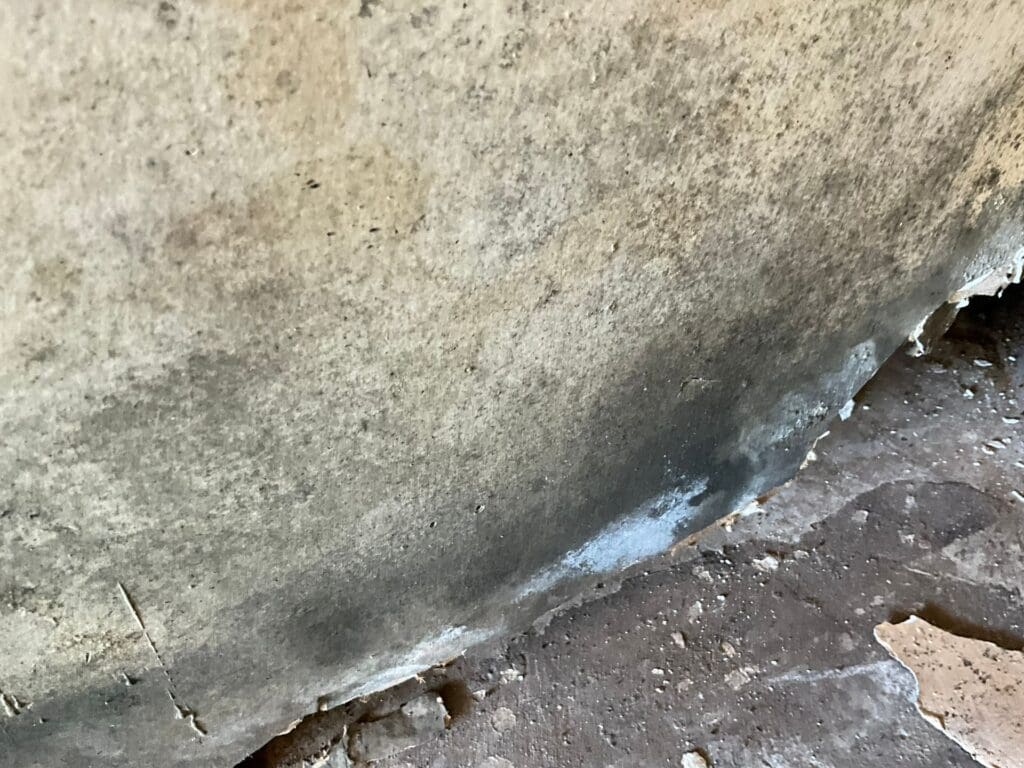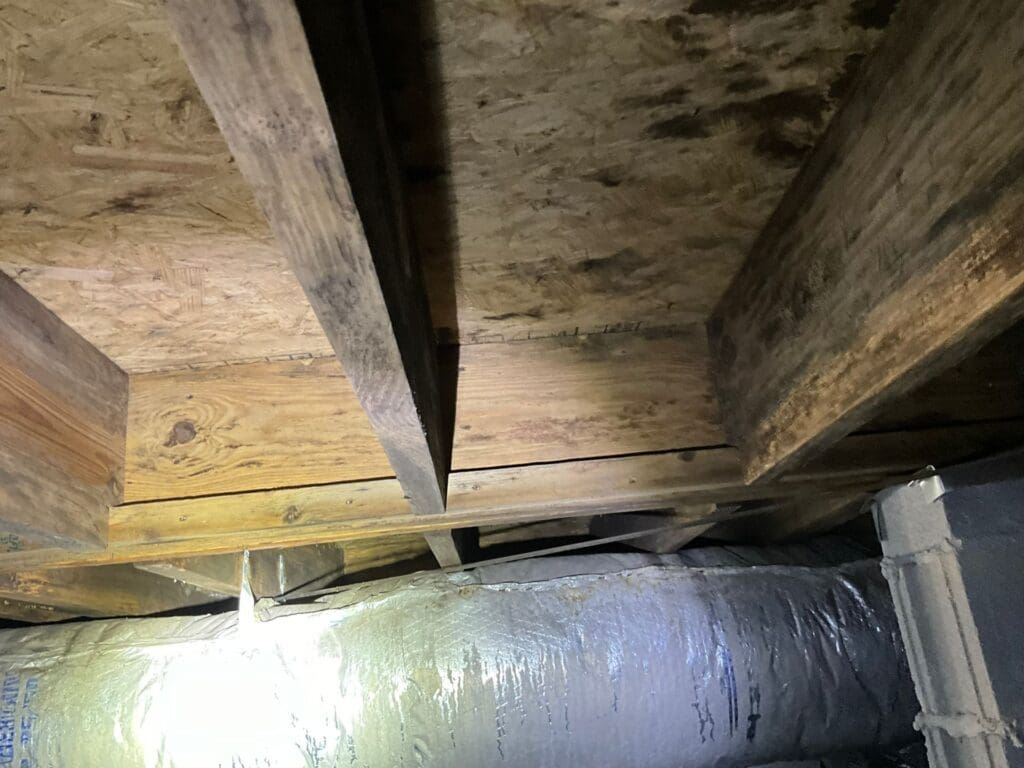
A water stain appears on your ceiling. Your kid starts sneezing more than usual. You open a closet and catch a whiff of something damp and earthy. Any of these might send you straight to a search engine, typing “do I need mold testing?” The answer depends on a few things that are worth understanding before you spend any money.
Mold is a normal part of the environment. It exists outdoors, it floats in through open doors, and trace amounts are present in virtually every building. The question isn’t whether mold exists in your home. It does. The question is whether mold is actively growing in concentrations that could affect your health or damage your property.
When Testing Makes Sense
The EPA is straightforward about this: if you can see mold or smell it, you already know you have a problem. In those cases, remediation matters more than testing. But there are several situations where professional mold testing provides information you can’t get any other way.
After water damage. If your home has experienced flooding, a burst pipe, or a roof leak, mold can begin growing within 24 to 48 hours in the right conditions. Even after you dry everything out, mold may have established itself inside wall cavities, under flooring, or in insulation where you can’t see it. Testing identifies whether growth occurred and how far it spread.
Unexplained health symptoms. Persistent respiratory issues, headaches, or allergic reactions that improve when you leave the building and return when you come home can indicate elevated mold levels. Air quality testing measures the concentration and species of mold spores in your indoor environment compared to outdoor baselines. This is especially relevant for households with young children, elderly residents, or anyone with asthma or compromised immune systems.
Before buying a home. A standard home inspection covers visible issues, but inspectors are not mold specialists. Older homes in the Augusta area and throughout the CSRA (Central Savannah River Area) present particular concerns: crawl spaces in contact with Georgia’s red clay soil, aging HVAC systems, and decades of humidity exposure. Pre-purchase mold testing gives you a clear picture of what you’re inheriting.
During real estate disputes or insurance claims. When you need documentation, professional testing provides lab-verified results from an accredited laboratory. This carries significantly more weight than a visual assessment.
Persistent musty odors without a visible source. Mold growing behind walls, under carpet padding, or inside HVAC ductwork can produce noticeable odors long before it becomes visible. Air sampling and surface sampling can locate the source.
What Professional Mold Testing Actually Involves
There are two primary types of mold testing, and understanding the difference helps you know what you’re paying for.
Air Sampling
A technician places calibrated air sampling cassettes in specific locations throughout your home. These pumps draw a measured volume of air across a collection surface over a set period of time. Samples are also collected outside the building to establish a baseline. The cassettes are sent to an accredited laboratory for analysis.
The lab identifies the types and concentrations of mold spores present. Results are reported in spores per cubic meter of air. There is no single federal standard for “safe” indoor mold levels, but the comparison between indoor and outdoor samples tells the story. If your indoor concentrations are significantly higher than outdoor levels, or if certain species like Stachybotrys (commonly called “black mold”) or Chaetomium appear indoors but not outdoors, that indicates active growth inside the building.
Surface Sampling
Swab, tape lift, or bulk samples are collected directly from suspicious materials. These go to the same type of accredited lab and confirm whether what you’re looking at is actually mold, and what species it is. This matters because not everything that looks like mold is mold, and different species carry different health implications.
A thorough inspection also includes moisture mapping using specialized instruments. Moisture meters and thermal imaging cameras identify wet areas inside walls, floors, and ceilings that aren’t visible to the naked eye. Moisture is the root cause of mold growth. Finding and fixing moisture sources is ultimately more important than removing the mold itself, because mold will return if the moisture problem persists.
The Southeast Factor
Georgia and South Carolina’s climate creates conditions that are particularly favorable for mold growth. Average relative humidity in the Augusta area regularly exceeds 70% during summer months, and warm temperatures persist well into October. The CDC notes that controlling moisture is the key to controlling mold, and in a subtropical climate, that requires active effort.
Homes with crawl spaces are especially vulnerable. Warm, humid air migrates upward through the floor system, and crawl spaces without proper vapor barriers or ventilation can maintain relative humidity levels above 80% for months at a time. That’s ideal growing conditions for multiple mold species.
Older homes built before modern building codes addressed moisture management often lack adequate ventilation in bathrooms, kitchens, and laundry areas. HVAC systems that aren’t properly sized or maintained can introduce condensation problems. Even newer construction isn’t immune if drainage grading directs water toward the foundation.
What You Can Do Right Now
-
Check your humidity levels. A digital hygrometer costs under $15 and tells you the relative humidity in any room. Keep indoor humidity below 60%, ideally between 30% and 50%. If you’re consistently above that range, a dehumidifier or HVAC adjustment is your first line of defense.
-
Inspect your crawl space. If your home has one, look for standing water, visible mold on floor joists, and whether a vapor barrier is in place. If you’re not comfortable doing this yourself, a professional assessment will cover it.
-
Don’t ignore water events. A leak that “dried out on its own” may have left moisture trapped in materials that are now supporting mold growth. If water reached drywall, carpet, or insulation and wasn’t professionally dried within 48 hours, testing is a reasonable next step.
If you have questions about whether mold testing makes sense for your situation, the EnviroPro 360 team is happy to walk you through it. Contact EnviroPro 360 and we will help you figure out the right next step.