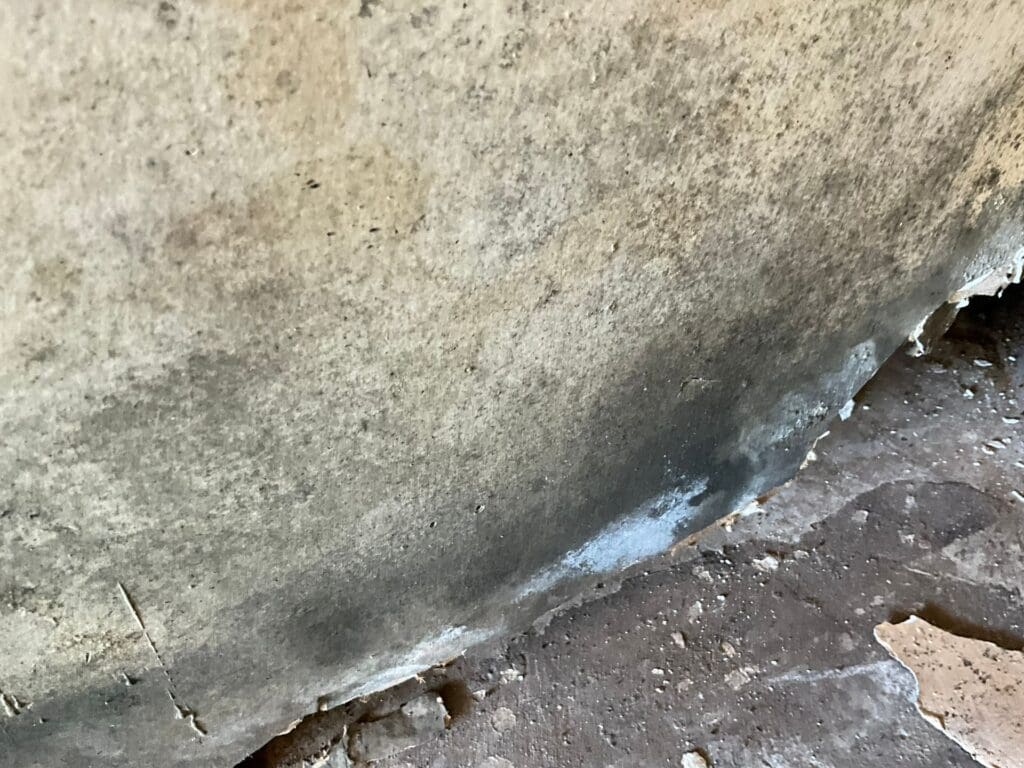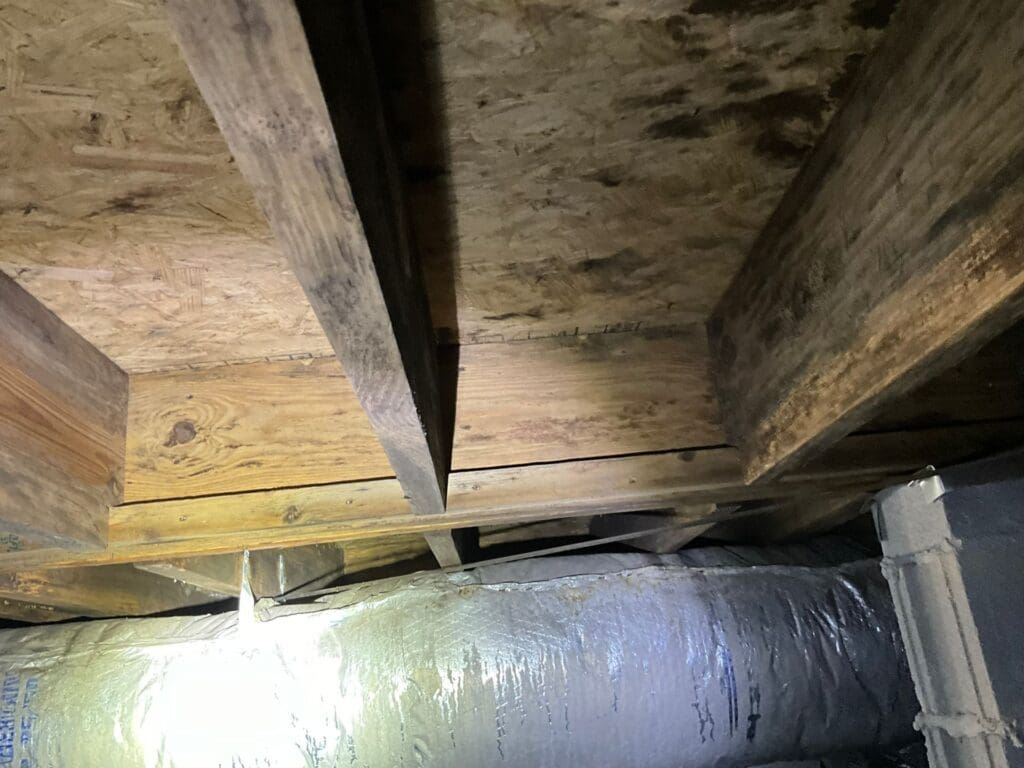
Most homeowners look for mold the same way they look for a leaky faucet. They search for something obvious.
The problem is that mold rarely announces itself. It often starts behind walls, under flooring, in attics, or in crawl spaces, long before you see a spot on drywall.
The best mold detection techniques are less about spotting mold and more about spotting the conditions that create it, especially moisture.
Here are the most practical ways homeowners can detect mold early, plus when it makes sense to call EnviroPro 360 for professional testing in Augusta, Aiken, and across the CSRA.
1) Use Your Nose First
A musty odor is one of the earliest warning signs. People describe it as earthy, damp, stale, or like wet cardboard.
Where to sniff test:
- Closets on exterior walls
- Bedrooms that stay closed
- Under sinks and behind toilets
- Near HVAC returns and vents
- Attics and crawl space access points
If the smell is stronger after rain, after running the AC, or when the heat turns on, that is a strong clue moisture is involved.
2) Look for Repeat Stains, Not Just Spots
One stain that never changes might be old. A stain that returns or spreads usually signals ongoing moisture.
What to look for:
- Brown or yellow ceiling stains
- Bubbling paint, peeling trim, or warped baseboards
- Dark smudges around vents or window frames
- Floor edges that look swollen or cupped
A common mistake is painting over stains. If moisture is still present, mold can keep growing behind the surface.
3) Check The “Hidden Moisture Zones” Everyone Forgets
These are the places mold loves because they stay humid, dark, or undisturbed.
High risk areas:
- Behind the washing machine and refrigerator
- Under bathroom vanities
- Around water heaters in closets
- Crawl spaces with damp soil or fallen insulation
- Attics near bathroom vents, roof penetrations, or chimney flashing
- Behind furniture pushed tight against exterior walls
A quick flashlight check in these areas can catch problems early.
4) Use A Hygrometer to Track Humidity
A hygrometer is a simple device that shows temperature and humidity. If you consistently see high humidity, mold is more likely.
Good homeowner rule:
- Aim for indoor humidity between 30 and 50 percent
- If your home is frequently above 60 percent, mold risk rises quickly
If one room reads much higher than the rest, that room may have ventilation issues, hidden moisture, or a leak.
5) Watch For Condensation Patterns
Condensation is not always harmless. Repeated condensation can feed mold growth over time.
Common condensation trouble spots:
- Window sills and frames
- Bathroom ceilings
- Exterior wall corners
- Supply vents and duct boots
- Cold water pipes sweating
If you wipe condensation daily in the same place, that area is a candidate for deeper inspection.
6) Pay Attention to Symptom Patterns
This is not medical advice, but symptom patterns can provide useful clues. Many people report that they feel worse:
- In one room
- After being home for several hours
- When HVAC runs
- After storms or high humidity weeks
Symptoms people often associate with poor indoor air quality include coughing, sinus congestion, headaches, fatigue, itchy eyes, or asthma flare-ups.
If symptoms improve when you leave the house and return when you come back, it is worth testing the environment.
7) Inspect HVAC Vents and Returns
HVAC systems can spread mold spores if mold is present in ductwork or near the air handler. Look for:
- Musty odor when the system starts
- Dark staining around vent edges
- Unusual dust buildup near returns
- Condensation near vents or air handler components
If your air handler is in the attic, attic moisture can affect air quality throughout the home.
8) Know When DIY Detection Stops Being Enough
DIY checks are useful, but there are situations where you need professional tools and lab results.
Call EnviroPro 360 if:
- You smell musty odors that will not go away
- You had a leak, overflow, roof issue, or storm water intrusion
- Mold or staining keeps returning after cleaning
- You see growth larger than a small patch
- Someone in the home is having persistent symptoms
- You are buying, selling, or managing a property and need documentation
Mold is not just a cleaning issue. It is often a moisture source issue. That is why testing and moisture mapping matter.
How EnviroPro 360 Detects Mold More Accurately
EnviroPro 360 combines inspection expertise with professional tools and lab analysis to confirm what is happening.
Depending on the situation, we can provide:
- Mold inspections and moisture detection
- Air sampling to evaluate airborne mold spores
- Surface sampling where growth is visible or suspected
- Thermal imaging and moisture mapping to find hidden dampness
- Leak detection to identify the source feeding the problem
- Post-remediation verification testing after cleanup is completed
- Advanced options like ERMI or ARMI in cases where long-term mold history needs deeper insight
Our goal is to give you clear answers and next steps, not guesses.
Mold Detection Is Really Moisture Detection
The best way to detect mold early is to detect moisture early. If you catch humidity issues, leaks, condensation patterns, and repeat stains before mold spreads, you can save time, money, and stress.
If you are in Augusta, Evans, Martinez, Grovetown, North Augusta, Aiken, or anywhere in the CSRA and want clear, professional confirmation, contact EnviroPro 360 to schedule mold testing and inspection.