EnviroPro 360

If holiday guests bring sneezes instead of cheer, your unused guest room may be to blame. Learn how mold and allergens build up—and how to fix it before visitors arrive.

What’s Lurking in Your Guest Room? Why Holiday Visitors Trigger …

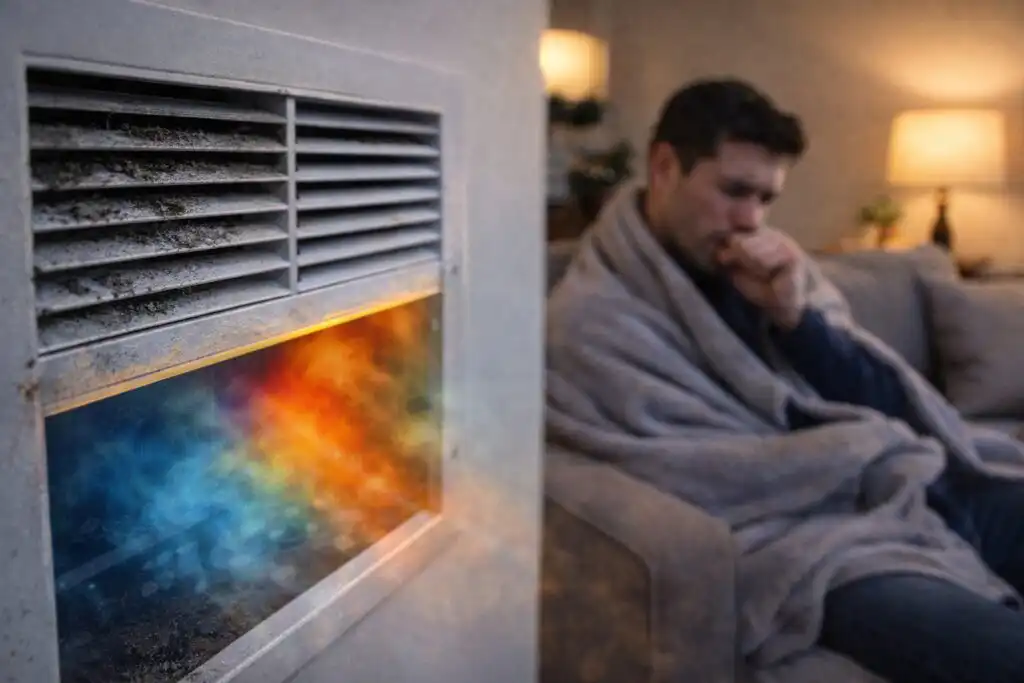
Every Thanksgiving, a family in Evans opens up the guest bedroom for the first time since spring. The room has been closed off, vents partially shut to save on heating costs. Within an hour of the first overnight guest settling in, the sneezing starts. By morning, someone has taken allergy medication and is wondering whether

What’s Lurking in Your Guest Room? Why Holiday Visitors Trigger … Read More »

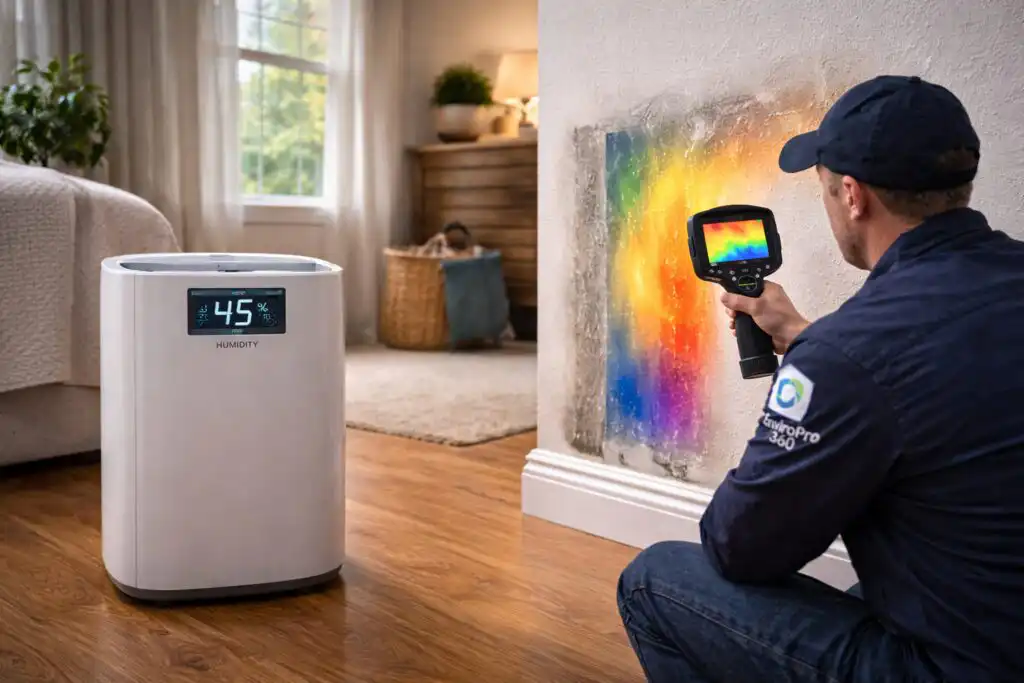
Heating season can trap moisture and spores indoors. Use these practical, standards-informed steps to prevent mold and protect indoor air quality this winter in Georgia and South Carolina.

Winter HVAC & Indoor Air Quality: Stop Mold Before It Starts

Why winter raises mold risk Winter means closed windows, drier outdoor air, and long HVAC run times. Warm, humid indoor air meets cold surfaces (windows, exterior walls, poorly insulated ducts) and condenses, creating damp pockets inside walls, above ceiling tiles, and around supply diffusers. If wet materials are not dried within roughly 24 to 48

Winter HVAC & Indoor Air Quality: Stop Mold Before It Starts Read More »

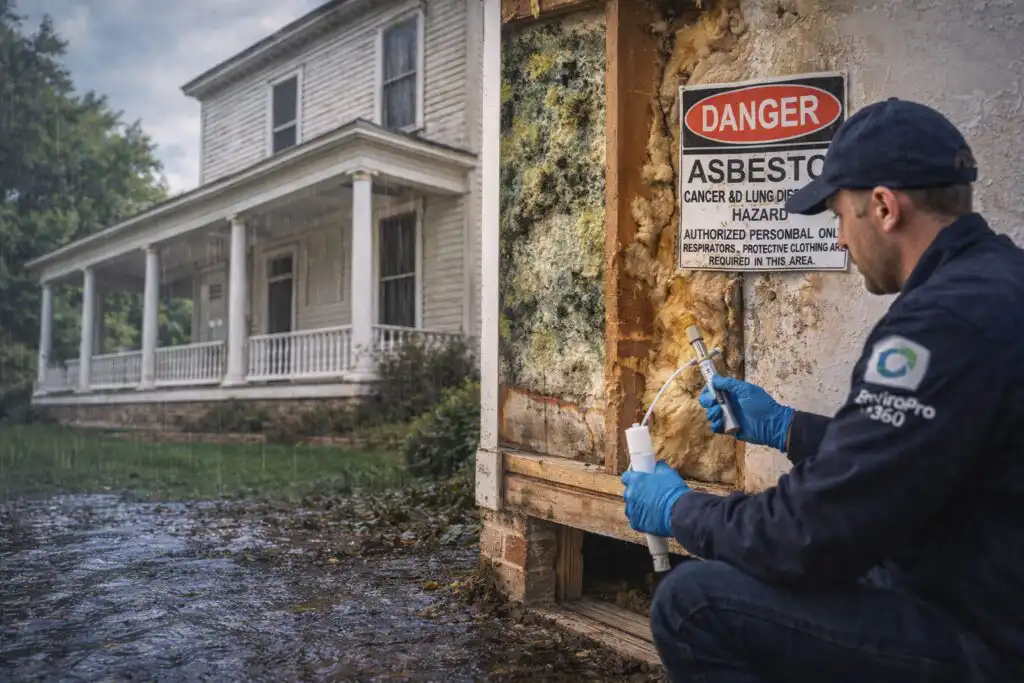
Winter fit-outs move fast. Use this step-by-step plan to meet asbestos survey, notification, and work-practice rules in Georgia and South Carolina—before demo or renovation starts.

Your NESHAP-Ready Asbestos Plan for Renovations in Georgia and So …

EPA’s Asbestos NESHAP sets work practices that must be followed during demolition and renovation of facilities — institutional, commercial, industrial, public, and most multi-unit residential buildings. There is a limited exemption for residential buildings of four or fewer dwelling units, but that exemption has edges that trip up project managers regularly. If you’re planning a

Your NESHAP-Ready Asbestos Plan for Renovations in Georgia and So … Read More »

New Year’s cleaning could reveal more than you expect. From musty attics to moldy cardboard boxes, here’s what to look for when decluttering this winter.

Is Your New Year’s Decluttering Revealing Mold?

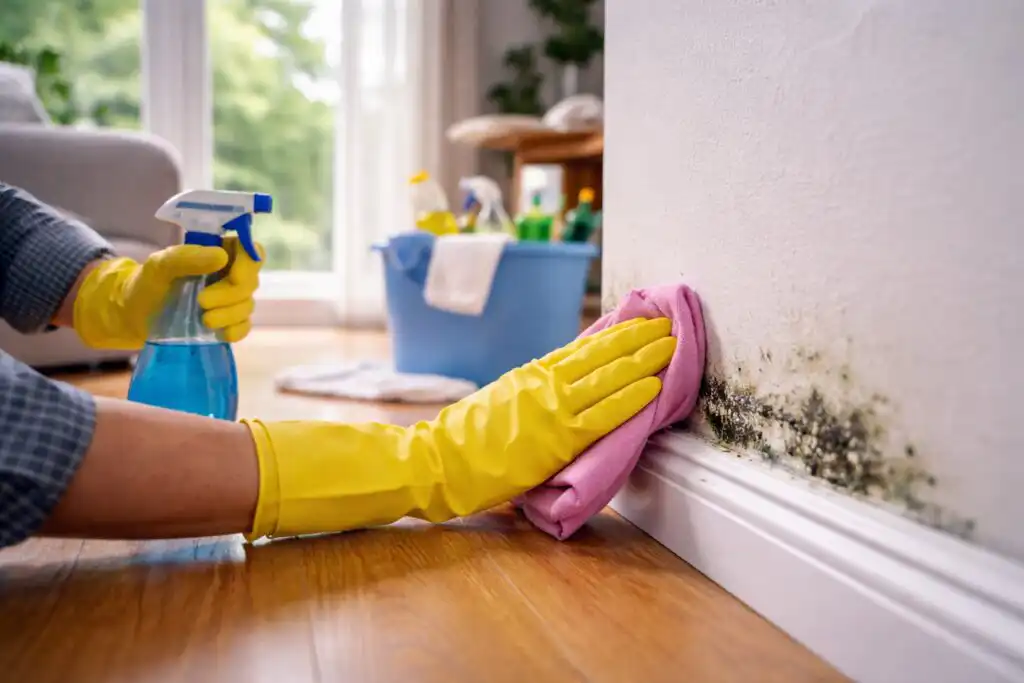
January is the season of fresh starts. Many homeowners and renters use the post-holiday slowdown to clear out closets, garages, and storage spaces that have gone undisturbed for months. Pulling boxes from corners, moving furniture away from walls, opening bins that sat sealed through fall and winter — that process regularly turns up something no

Is Your New Year’s Decluttering Revealing Mold? Read More »

A tiny winter roof leak can become a full-blown mold problem by spring. Here’s how to spot issues early and prevent expensive damage before it spreads.

Winter Roof Leaks Can Lead to Spring Mold—Here’s How to Catch …

In Augusta and the CSRA, winter does not bring the heavy snow or ice that causes dramatic roof failures in northern climates. It brings something harder to detect: sustained rainfall, temperature swings between cold nights and mild afternoons, and the gradual degradation of roof components that allows water to enter slowly and silently into attic

Winter Roof Leaks Can Lead to Spring Mold—Here’s How to Catch … Read More »

Heating season can trap moisture and spores indoors. Learn practical, standards-based steps to prevent mold and protect indoor air quality this winter.

Winter HVAC & Indoor Air Quality: Stop Mold Before It Starts

Why mold risks rise in heating season Winter means closed windows, longer run times for heat, and temperature swings that push indoor moisture to cold surfaces. That combination creates condensation in ductwork, around windows, and inside wall cavities where mold can take hold. The EPA’s core rule of thumb is simple: control moisture, and dry

Winter HVAC & Indoor Air Quality: Stop Mold Before It Starts Read More »

Scroll to Top