EnviroPro 360

PCR testing for mold is ideal for hospitals and clinics where air quality is critical. Here’s what’s in the nosocomial panel and why proactive testing matters.

What Is PCR Mold Testing for Hospitals and Healthcare Spaces?

Healthcare environments have occupants with fundamentally different risk profiles than residential buildings. A homeowner with a mold problem has an unpleasant and potentially harmful situation. A hospital or dialysis clinic with an undetected fungal contamination issue has a patient safety emergency. That is the context in which PCR mold testing for healthcare spaces was developed. […]

What Is PCR Mold Testing for Hospitals and Healthcare Spaces? Read More »

ERMI testing is one of the most advanced mold assessments available. Here’s what it means, how it works, and when to request it for your home or business.

What Is ERMI Testing—and Should You Use It for Mold Detection?

When a standard mold air test or visual inspection does not fully explain why someone keeps having respiratory symptoms in their Augusta home, or why a property smells musty even after cleaning, ERMI testing can provide a more complete picture of what has accumulated in the indoor environment over time. ERMI stands for Environmental Relative

What Is ERMI Testing—and Should You Use It for Mold Detection? Read More »

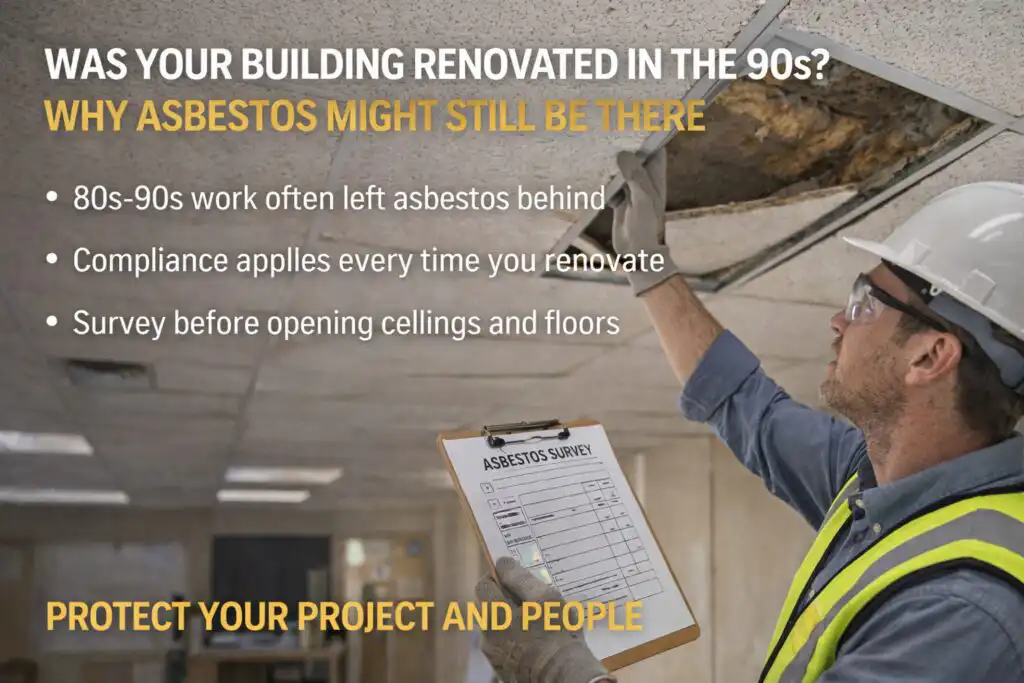
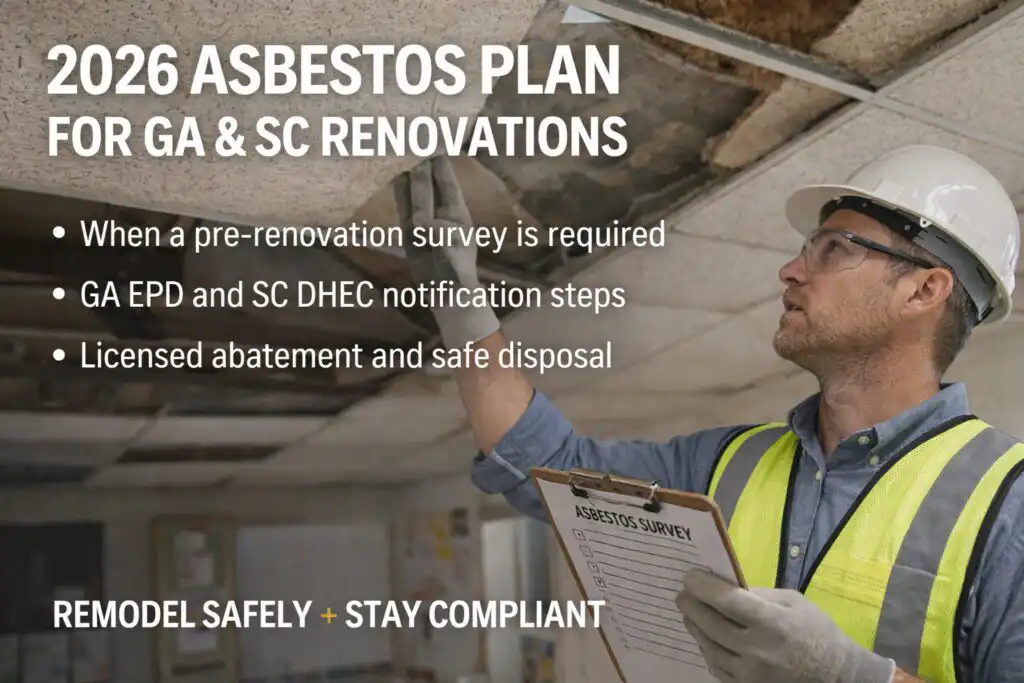
Before any demo or renovation, a certified asbestos survey is required. Use this practical checklist to plan, notify, and document work in Georgia and South Carolina.

Pre-Renovation Asbestos Survey Checklist for Property Managers in …

A property manager in Augusta schedules a contractor to renovate three units in a 1968 apartment building. The contractor starts demoing the bathroom tile on day one. On day two, the property manager gets a call — the material contains asbestos. The contractor walks off the job. The units are contaminated. Tenants can’t return. State

Pre-Renovation Asbestos Survey Checklist for Property Managers in … Read More »

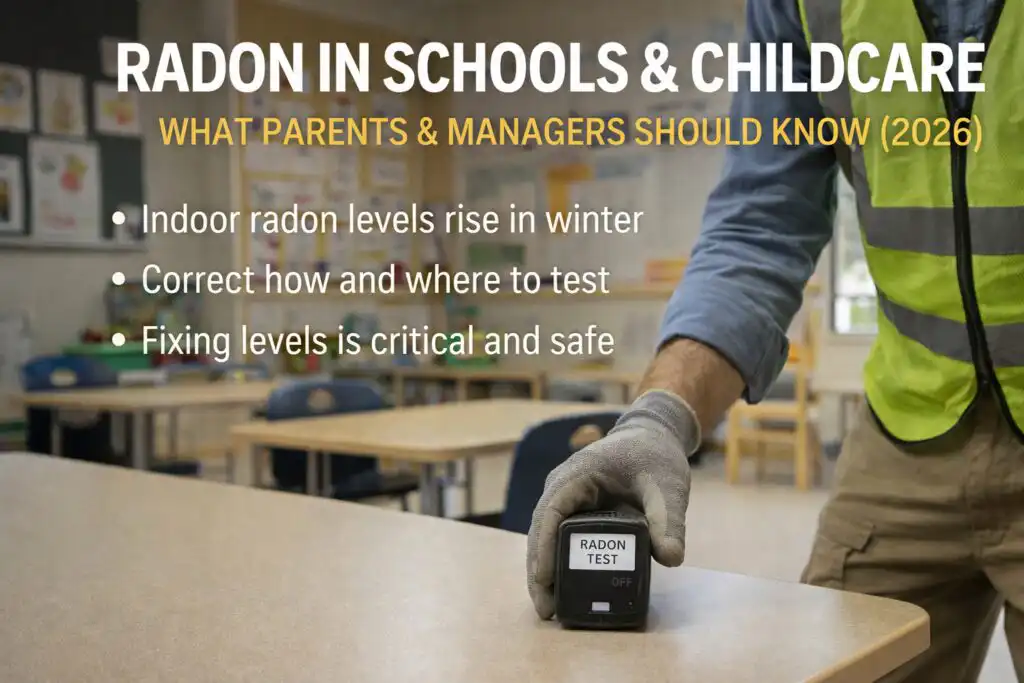
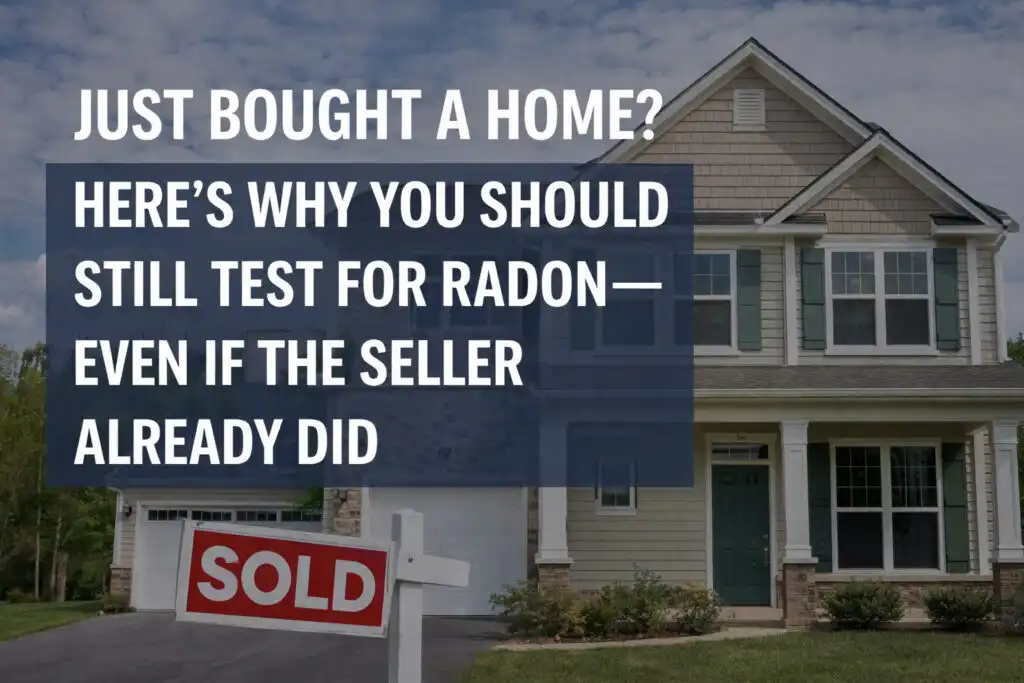
Winter can trap radon indoors. Learn why levels rise, how to test correctly, and what Georgia and South Carolina homeowners should do if results are high.

Winter Radon Testing Guide for Georgia & South Carolina: Why …

Why radon matters more in winter Radon is a colorless, odorless radioactive gas that seeps from soil into buildings. The EPA and the Surgeon General estimate radon contributes to about 21,000 lung cancer deaths in the U.S. each year, which makes it a major indoor air risk for both smokers and non-smokers. The CDC also

Winter Radon Testing Guide for Georgia & South Carolina: Why … Read More »

Winter is prime time for indoor renovations—but don’t start ripping out walls just yet. Learn why asbestos testing should be your first step before any remodeling project begins.

Winter Renovations Could Reveal a Hidden Threat: Should You Test …

Winter is when indoor renovation work picks up in Augusta and the CSRA. Outdoor projects wind down, attention shifts inside, and contractors fill their schedules with flooring replacements, basement builds, HVAC upgrades, and ceiling work. Many of those projects happen in homes and commercial buildings constructed before 1985, which means asbestos-containing materials are likely present

Winter Renovations Could Reveal a Hidden Threat: Should You Test … Read More »

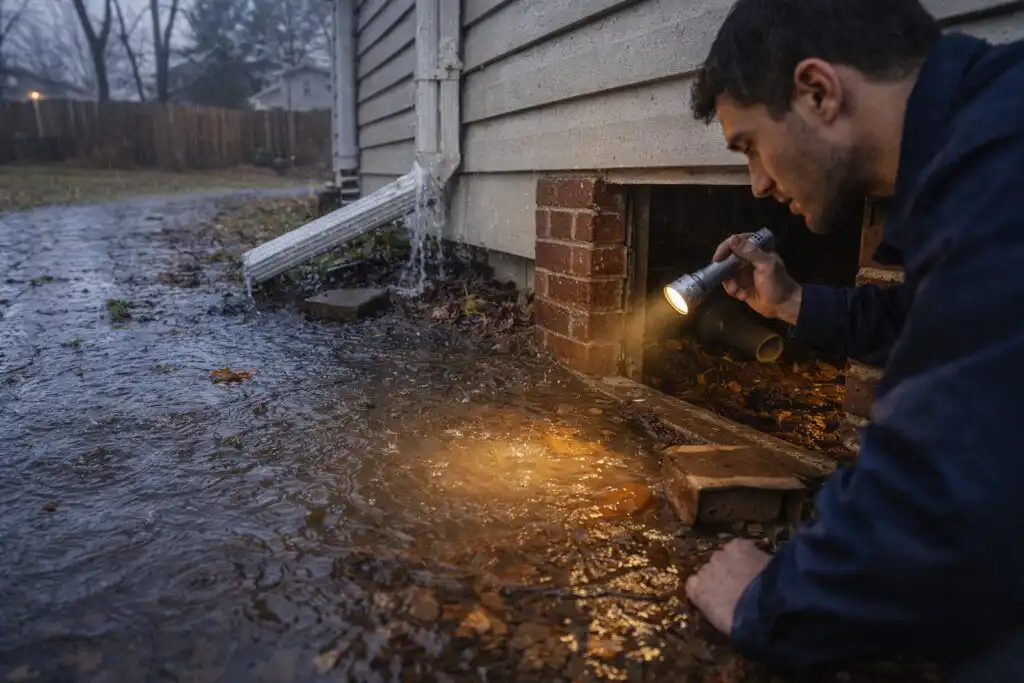
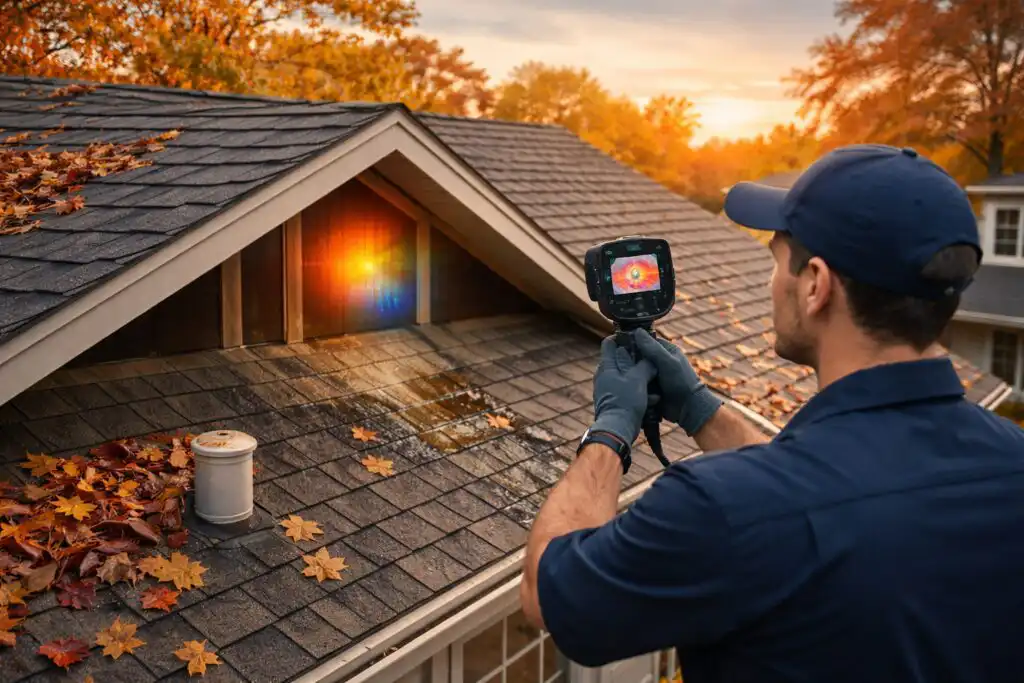
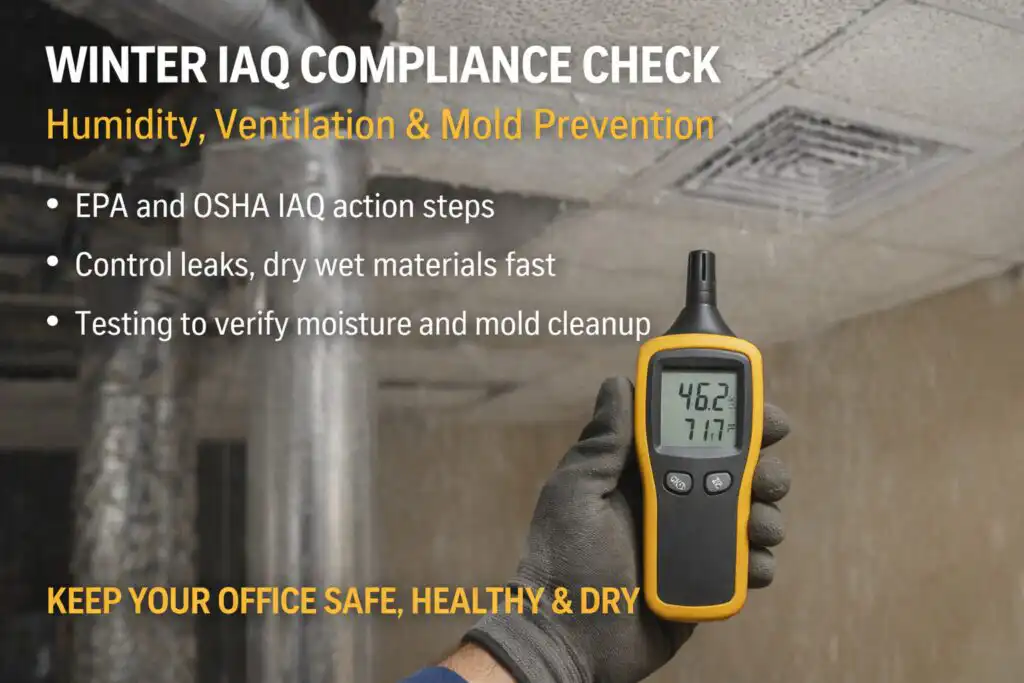
Winter leaks are silent troublemakers. Learn how hidden moisture inside walls or ceilings leads to mold, structural damage, and costly repairs — and how to catch them early.

Winter Leaks, Hidden Damage: How Small Drips Turn Into Big Proble …

When Winter Weather Turns Into Water Damage Winter in Georgia and South Carolina may not bring blizzards, but the season creates the perfect storm for hidden leaks. Cold snaps, freezing nights, heavy rain, and increased heater usage all put added stress on building materials and plumbing. The result is often silent: slow, unnoticed moisture behind

Winter Leaks, Hidden Damage: How Small Drips Turn Into Big Proble … Read More »

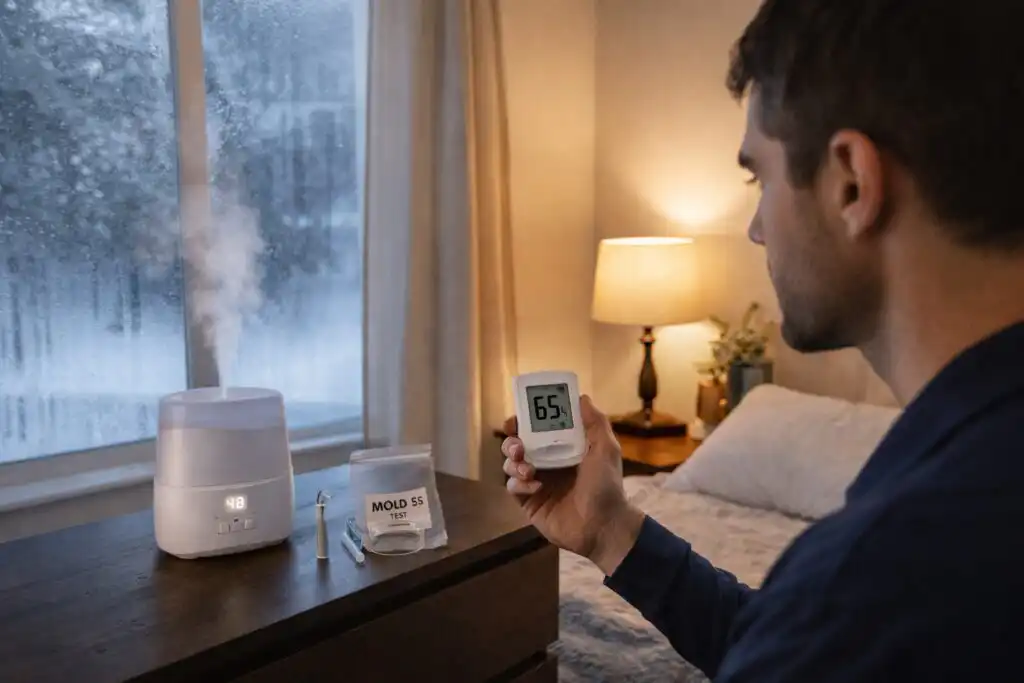
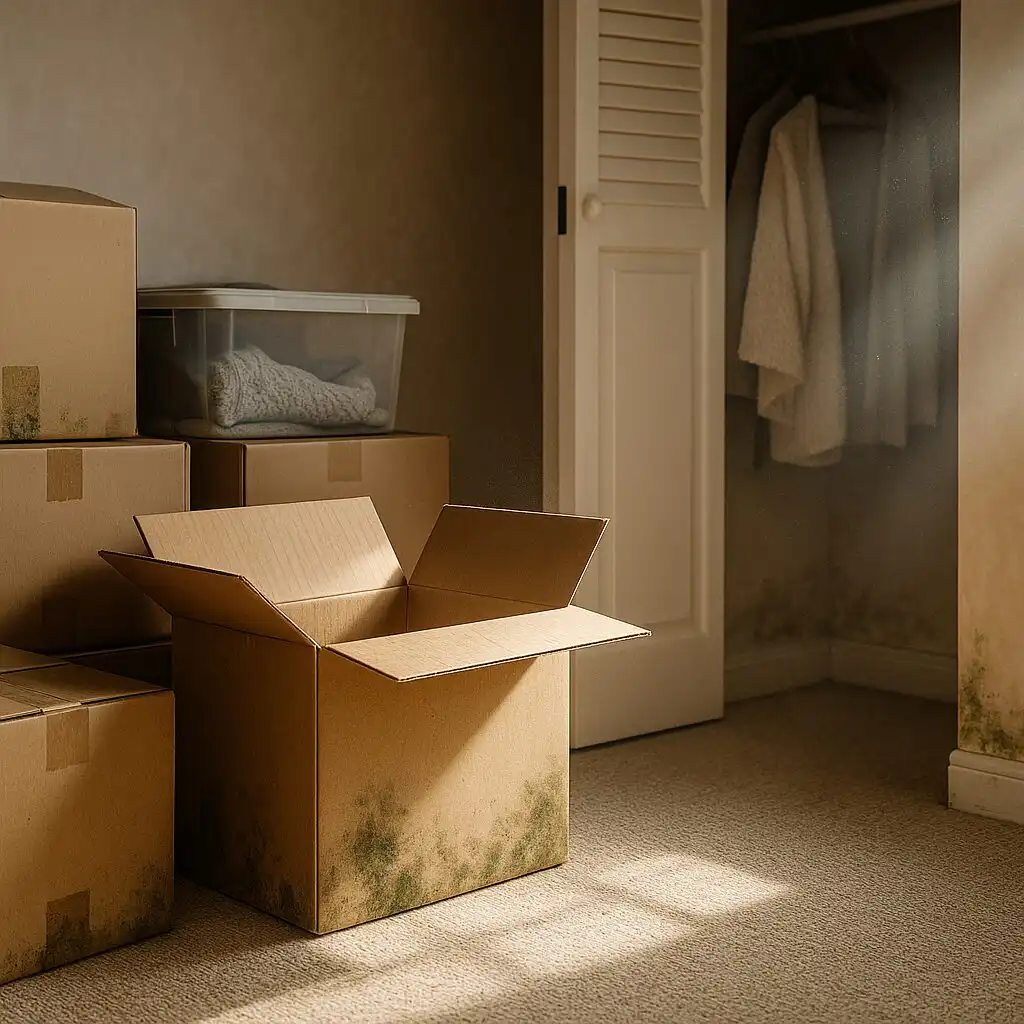
Allergy season might be over, but mold is still in the air. Learn how indoor mold during the winter months could be the reason you feel sick year-round.

Winter Mold Allergies: Why You Still Feel Sick Indoors

The pollen count drops in winter, windows stay closed, and most Augusta-area residents assume their indoor air quality improves during the colder months. For many, the opposite is true. Winter in Georgia and South Carolina creates conditions that favor indoor mold growth: sealed homes with reduced ventilation, condensation from heating systems on cool surfaces, and

Winter Mold Allergies: Why You Still Feel Sick Indoors Read More »

Scroll to Top