Frequently Asked Questions
Does radon pose a risk in upstairs apartments?
Radon does pose a risk in upstairs apartments. Although it is typically associated with lower levels, radon can travel through buildings and accumulate on any floor, making testing essential for all residents.
How can I test for radon in my apartment?
Testing for radon in your apartment can be done using a radon test kit, which you can purchase online or at a local hardware store. Follow the instructions carefully to ensure accurate results.
What should I do if radon levels are high in my apartment?
If radon levels are high in your apartment, take immediate action by contacting a certified radon mitigation professional to assess and reduce the levels, ensuring a safer living environment.
What are radon exposure symptoms?
Radon exposure symptoms include persistent cough, shortness of breath, fatigue, and chest pain. In more severe cases, it can lead to lung cancer, making awareness and testing crucial for ensuring safety in any living environment.
How often should I test for radon?
Testing for radon should be done every two years, or more frequently if you make significant changes to your home, such as renovations or new construction. Regular testing ensures you maintain a safe living environment.
Can radon levels vary by season?
Radon levels can indeed vary by season. Typically, higher radon concentrations are observed during colder months when buildings are sealed tightly, reducing ventilation and allowing radon gas to accumulate indoors.
What are effective radon mitigation methods?
Effective radon mitigation methods include installing a radon mitigation system, which typically involves a vent pipe and fan to draw radon from beneath the home and release it safely outside, ensuring safer indoor air quality.
Is radon testing necessary for all apartments?
Radon testing is necessary for all apartments, as radon can enter buildings regardless of their floor level. Ensuring safe living conditions through testing is crucial for the health of all residents.
How does radon enter an apartment?
Radon enters an apartment primarily through cracks in the foundation, gaps around pipes, and construction joints. It can also seep through building materials and accumulate indoors, posing health risks regardless of the apartment's floor level.
What are safe radon levels in homes?
Safe radon levels in homes are considered to be below 4 picocuries per liter (pCi/L). Levels above this threshold may pose health risks, making it essential for homeowners to conduct regular testing and take necessary mitigation steps if needed.
Can I test for radon myself?
Testing for radon yourself is possible. You can purchase a radon test kit from a hardware store or online, which allows you to measure radon levels in your home effectively.
What equipment is used for radon testing?
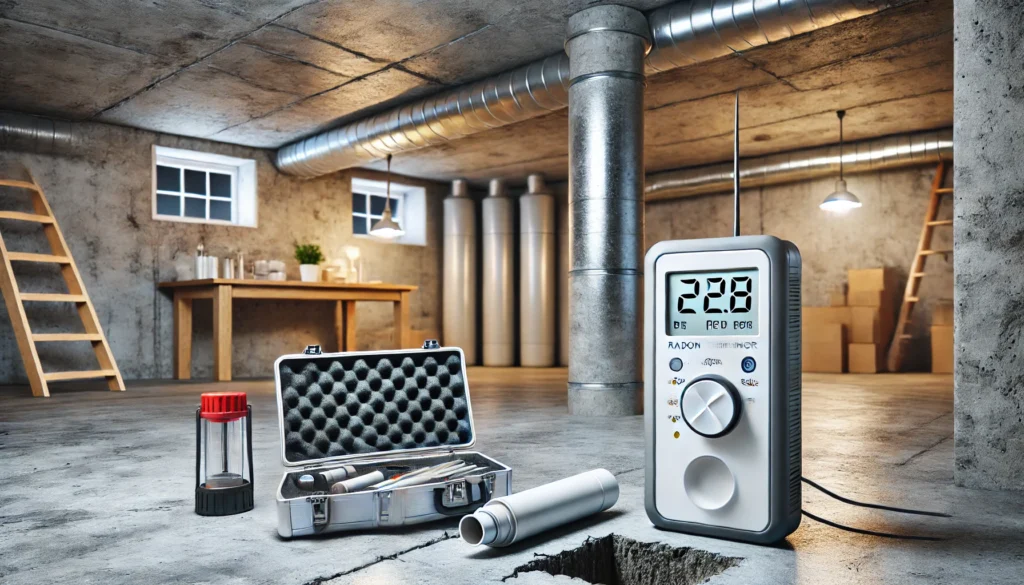
The equipment used for radon testing includes passive devices like charcoal canisters and alpha track detectors, as well as active monitors that continuously measure radon levels. These tools help accurately assess radon concentrations in any living space.
How long does radon testing take?
The duration of radon testing typically ranges from 2 to 7 days, depending on the testing method used. This timeframe allows for accurate measurement of radon levels in your living environment.
What are the health risks of radon?
The health risks of radon include an increased likelihood of lung cancer, particularly for those exposed to high levels over extended periods. It is crucial to test for radon in all living spaces, including upstairs apartments, to ensure safety.
How can I reduce radon levels?
Reducing radon levels can be achieved through several methods, including installing a radon mitigation system, sealing cracks in floors and walls, and ensuring proper ventilation. Regular testing is also essential to monitor radon levels effectively.
Are there specific radon concerns for children?
Specific radon concerns for children include increased health risks due to their developing bodies and longer life expectancy, making exposure more significant. It's essential to test for radon in homes to ensure a safe environment for children.
What is the cost of radon testing?
The cost of radon testing varies depending on the service provider and location, typically ranging from $100 to $300. This investment is crucial for ensuring a safe living environment, regardless of your apartment's floor level.
How does ventilation affect radon levels?
Ventilation significantly affects radon levels in a space. Proper ventilation can help dilute and reduce radon concentrations by allowing fresh air to circulate, thereby minimizing the accumulation of this harmful gas indoors.
What should I do after testing for radon?
After testing for radon, you should review the results carefully. If levels exceed 4 pCi/L, consider implementing mitigation strategies to reduce exposure and consult a professional for guidance on the next steps.
Can radon affect my pets health?
Radon can affect your pet's health. Like humans, pets are vulnerable to radon exposure, which can lead to respiratory issues and other health concerns over time. It's essential to ensure your living environment is radon-free for their safety.
What are the long-term effects of radon exposure?
The long-term effects of radon exposure include an increased risk of lung cancer, particularly for smokers, as radon decays into radioactive particles that can be inhaled and damage lung tissue over time.
How can I find a radon testing service?
Finding a radon testing service is straightforward: search online for local environmental testing companies, check for certifications, and read customer reviews to ensure you choose a reliable provider like EnviroPro 360.
What is the difference between short-term and long-term radon tests?
The difference between short-term and long-term radon tests lies in their duration and purpose. Short-term tests typically last from 2 to 90 days, providing quick results, while long-term tests run for more than 90 days, offering a more accurate assessment of average radon levels.
How do I interpret radon test results?
Interpreting radon test results involves understanding the measurement in picocuries per liter (pCi/L). A result of 4 pCi/L or higher indicates an elevated risk, prompting immediate action for mitigation to ensure a safe living environment.
What are common misconceptions about radon?
Common misconceptions about radon include the belief that it only affects basements or lower levels of buildings. In reality, radon can travel through structures, making it a risk for residents in any floor, including upper apartments.
Can radon levels change over time?
Radon levels can change over time. Factors such as weather, building changes, and ventilation can influence radon concentrations, making regular testing essential for accurate assessment of indoor air quality.
What should landlords know about radon testing?
Landlords should know that radon testing is essential for ensuring tenant safety, as radon can infiltrate buildings regardless of floor level. Regular testing helps identify risks and demonstrates a commitment to providing a healthy living environment.
How does radon testing impact property value?
Radon testing impacts property value by providing transparency about health risks. Properties with verified low radon levels are more attractive to buyers, while high levels can lead to decreased value and may necessitate mitigation efforts.
What regulations exist for radon testing?
Regulations for radon testing vary by state, but many require testing in certain situations, such as real estate transactions or rental properties. It's essential for property managers and homeowners to be aware of local laws to ensure compliance and safety.
How can I educate others about radon risks?
Educating others about radon risks involves sharing accurate information about its dangers, promoting testing in homes, and distributing resources from reputable organizations. Encourage discussions in your community and utilize social media to raise awareness effectively.