Frequently Asked Questions
How common is radon in basements?
Radon is commonly found in basements, particularly in homes built on soil with natural uranium deposits. Due to its accumulation in enclosed spaces, testing for radon is essential to ensure a safe living environment.
What factors influence radon levels in basements?
The factors that influence radon levels in basements include the geological composition of the soil, the design and construction of the home, ventilation, and weather conditions. High levels can accumulate in poorly ventilated spaces, making testing essential.
How can I test for radon in my basement?
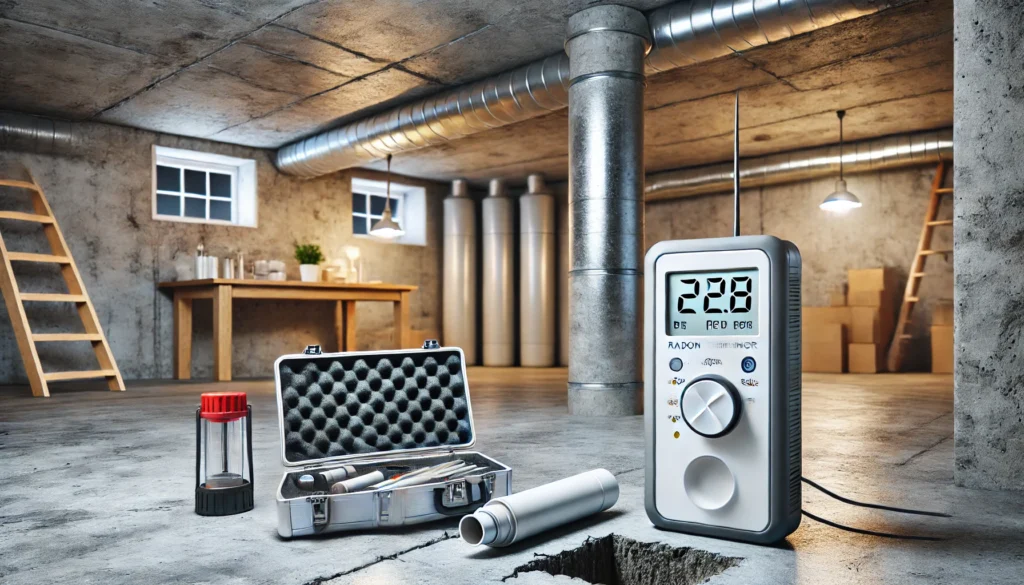
Testing for radon in your basement can be done using a radon test kit. These kits are available for purchase online or at home improvement stores and involve placing a detector in your basement for a specified period to measure radon levels.
What are the health risks of radon exposure?
The health risks of radon exposure include an increased likelihood of developing lung cancer, particularly for smokers. Long-term exposure to high radon levels can significantly elevate these risks, making testing and mitigation essential for safety.
How often should I test my basement for radon?
Testing your basement for radon should be done every two years. However, if you have made significant changes to your home or are in a high-risk area, consider testing more frequently to ensure a safe living environment.
What are signs of high radon levels?
The signs of high radon levels include the presence of radon gas itself, which is odorless and invisible, making it hard to detect without testing. Additionally, homes with high radon levels may have unexplained health issues among occupants, particularly respiratory problems.
Can radon levels fluctuate in basements?
Radon levels can fluctuate in basements. Variations in weather, ventilation, and home activity can cause these levels to change, making regular testing essential to ensure a safe living environment.
What is the average radon level in basements?
The average radon level in basements typically ranges from 1.3 to 4.0 picocuries per liter (pCi/L), with levels above 4.0 pCi/L considered hazardous and requiring mitigation.
How does radon enter a basement?
Radon enters a basement primarily through cracks in the foundation, gaps around pipes, and other openings. It can also seep in through the soil beneath and around the home, accumulating in enclosed spaces.
What mitigation methods are effective for radon?
Effective radon mitigation methods include active soil depressurization, which involves installing a fan to pull radon from beneath the home and vent it outside, as well as sealing cracks and openings in the foundation to reduce radon entry.
Are certain basements more prone to radon?
Certain basements are more prone to radon due to factors like soil composition, building materials, and geographical location. Homes in areas with high natural uranium deposits often experience elevated radon levels, making testing essential.
How can I reduce radon levels in my home?
Reducing radon levels in your home can be achieved by sealing cracks in floors and walls, improving ventilation, and installing a radon mitigation system if necessary. Regular testing is crucial to monitor radon levels effectively.
What is the cost of radon testing services?
The cost of radon testing services typically ranges from $100 to $300, depending on the size of your home and the testing method used. Contact EnviroPro 360 for a detailed quote tailored to your specific needs.
How long does radon testing take?
Radon testing typically takes between 2 to 7 days, depending on the testing method used. This duration allows for accurate measurement of radon levels in your home, ensuring reliable results for safety assessment.
What equipment is used for radon testing?
The equipment used for radon testing includes passive devices like charcoal canisters and alpha track detectors, as well as active monitors that continuously measure radon levels, ensuring accurate detection of this harmful gas in your home.
Can I perform radon testing myself?
You can perform radon testing yourself. However, for accurate results and proper interpretation, it is recommended to hire a certified professional, especially if high levels are detected, to ensure effective mitigation.
What are the long-term effects of radon exposure?
The long-term effects of radon exposure include an increased risk of lung cancer, particularly for individuals who smoke. Prolonged exposure can lead to serious health issues, making it crucial to test and mitigate radon levels in your home.
How does weather affect radon levels in basements?
Weather significantly impacts radon levels in basements. During colder months, homes are sealed tightly, which can lead to higher radon accumulation, while warmer weather may reduce levels as ventilation increases.
What regulations exist for radon testing?
Regulations for radon testing include guidelines set by the Environmental Protection Agency (EPA) and state-specific laws that mandate testing in certain residential and commercial properties, particularly in areas known for high radon levels.
How can I find a radon mitigation professional?
Finding a radon mitigation professional can be accomplished by researching local certified contractors through online directories, checking reviews, and asking for recommendations from friends or family. Additionally, organizations like the National Radon Proficiency Program can provide a list of qualified experts in your area.
What should I do if radon is detected?
If radon is detected, it is crucial to take immediate action. Schedule a professional radon mitigation service to reduce levels and ensure a safe living environment, particularly in affected areas like basements.
How does radon affect indoor air quality?
Radon significantly affects indoor air quality by accumulating in enclosed spaces, particularly basements, leading to elevated levels of this harmful gas. Prolonged exposure can increase the risk of lung cancer, making testing and mitigation essential for safe living environments.
What is the safe level of radon in homes?
The safe level of radon in homes is considered to be below 4 picocuries per liter (pCi/L). Levels above this threshold can pose health risks, and mitigation is recommended to ensure a safe living environment.
How can I educate others about radon risks?
Educating others about radon risks involves sharing accurate information about its dangers, promoting awareness through community workshops, distributing educational materials, and encouraging radon testing in homes, especially in areas prone to high levels of this gas.
What are common misconceptions about radon?
Common misconceptions about radon include the belief that it only exists in certain areas, that it is not a serious health risk, and that testing is unnecessary if a home appears safe. In reality, radon can be found in any home and poses significant health dangers.
How does radon testing differ from other tests?
Radon testing differs from other tests in that it specifically measures the concentration of radon gas in the air, which is a colorless, odorless radioactive gas that can accumulate in homes, particularly in basements, posing serious health risks.
What is the history of radon research?
The history of radon research reveals its discovery in the early 20th century, with significant studies linking radon exposure to lung cancer emerging in the 1980s, leading to increased awareness and regulations regarding radon testing and mitigation in homes.
How can I ensure my basement is radon-free?
Ensuring your basement is radon-free involves conducting regular radon testing and, if elevated levels are found, implementing mitigation solutions such as proper ventilation or sealing cracks. Regular monitoring helps maintain a safe living environment.
What are the benefits of radon mitigation?
The benefits of radon mitigation are significant, as it reduces the risk of radon exposure, lowers the chances of developing lung cancer, and enhances overall indoor air quality, ensuring a safer living environment for you and your family.
How do I interpret radon test results?
Interpreting radon test results involves understanding the measurement levels. A result below 4 pCi/L is considered acceptable, while levels at or above 4 pCi/L indicate a need for mitigation to ensure a safe living environment.