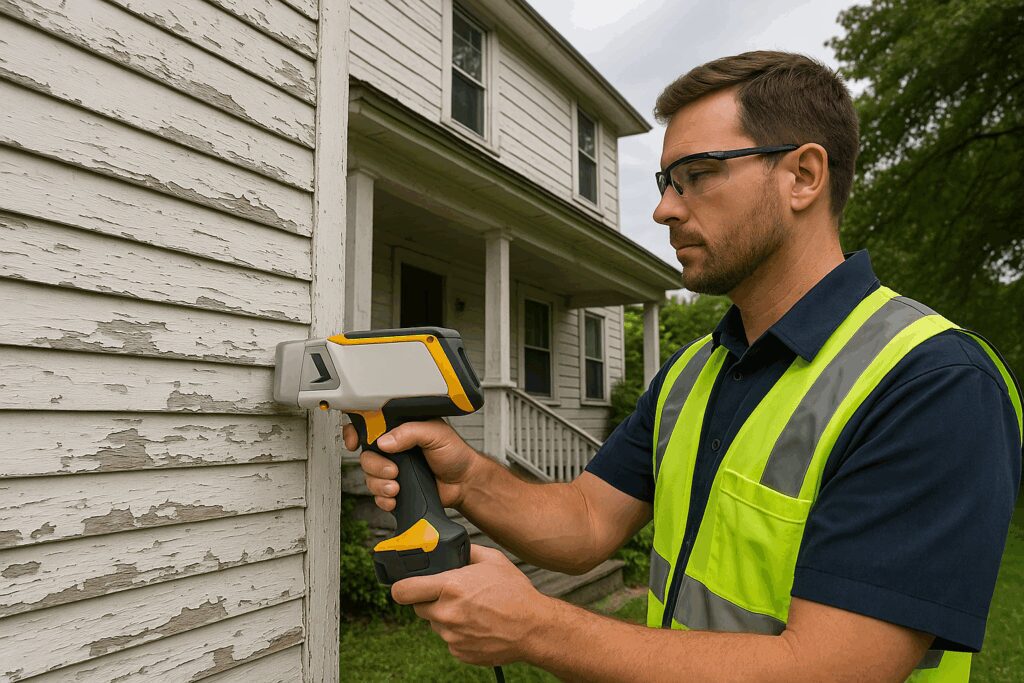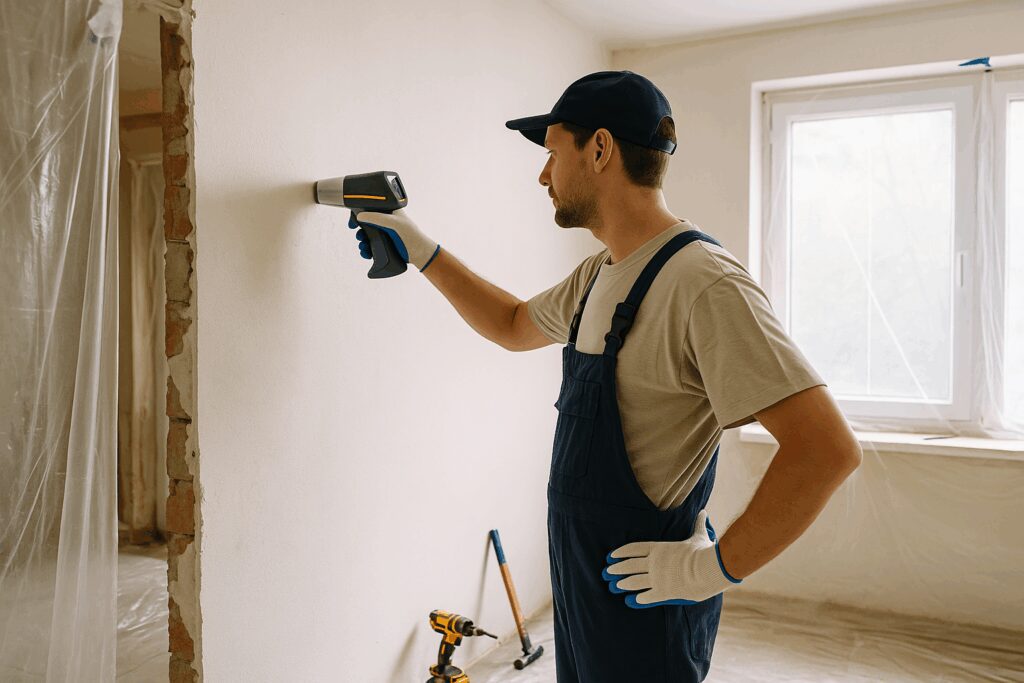
Here’s an example scenario: a remodeling contractor in Augusta replaces windows in a 1971 colonial. He removes the old window frames with a reciprocating saw, sands the casings, and cleans up with a shop vac. Standard procedure for any window replacement. Except the paint on those casings tested positive for lead at 1.8 mg/cm2, well above the federal standard of 1.0 mg/cm2. The contractor isn’t EPA-certified. He didn’t use containment. He didn’t use a HEPA vacuum. And the family, including two children under five, continued living in the home during the work.
The contractor just violated the EPA’s Renovation, Repair, and Painting (RRP) Rule, and the potential penalties run up to $46,192 per day per violation.
What the RRP Rule Is
The RRP Rule (40 CFR Part 745, Subpart E) is a federal regulation that took effect in 2010. It requires contractors performing renovation, repair, or painting work that disturbs lead-based paint in pre-1978 housing and child-occupied facilities to be EPA-certified and to follow specific lead-safe work practices.
The rule exists because renovation is one of the most common ways lead dust is generated in homes. Cutting, sanding, scraping, and demolishing painted surfaces in older homes can produce dangerous concentrations of lead dust that settle throughout the living space and persist long after the work is complete.
When the Rule Applies
The RRP Rule is triggered when ALL of the following conditions are met:
The building is pre-1978 housing or a child-occupied facility. Child-occupied facilities include daycare centers, preschools, and kindergarten classrooms in buildings built before 1978.
The work is a renovation, repair, or painting activity. This includes any activity that disturbs painted surfaces: window replacement, kitchen remodeling, electrical work that requires drilling through painted walls, plumbing repairs, exterior scraping and repainting, and similar activities.
The work disturbs more than the de minimis threshold. Interior work that disturbs more than 6 square feet of painted surface per room, or exterior work that disturbs more than 20 square feet, triggers the rule. These are small thresholds. Replacing a single window typically exceeds 6 square feet.
The rule does NOT apply to: minor maintenance or repair activities that disturb 6 square feet or less per room (interior) or 20 square feet or less (exterior), work in housing built after 1977, emergency renovations (though lead-safe practices must be followed to the extent practicable), or housing certified as lead-free by a certified inspector.
What Certification Requires
Firm Certification
Any company performing covered renovation work must be certified by EPA (or by a state with an authorized program). Georgia is not an EPA-authorized state for RRP, so firms working in Georgia apply directly to EPA for certification. South Carolina operates its own authorized program through DHEC.
Firm certification must be renewed every five years. The current fee is $550 for initial certification and renewal.
Individual Certification
At least one person on each job site performing covered work must be a Certified Renovator. This individual must complete an EPA-accredited 8-hour initial training course and pass an exam. Recertification requires a 4-hour refresher course every five years.
The Certified Renovator is responsible for ensuring lead-safe work practices are followed on the job, training other workers on the job site, performing the post-renovation cleaning and verification, and maintaining required documentation.
Required Work Practices
When the RRP Rule applies, the Certified Renovator must implement specific lead-safe work practices:
Before Work Begins
Notification. The contractor must provide the occupants with a copy of EPA’s pamphlet “Renovate Right: Important Lead Hazard Information for Families, Child Care Providers, and Schools” before work starts. A confirmation of receipt must be signed or documented.
Lead testing (optional but smart). The Certified Renovator can use an EPA-recognized test kit to determine whether paint in the work area contains lead. If the test is negative, the work is exempt from RRP requirements. If the test is positive (or if no test is performed), the work must comply with all RRP requirements. Many contractors skip this step and default to full compliance, which is the safer approach.
During Work
Containment. The work area must be isolated from occupied spaces. Interior work requires covering floors and furniture with plastic sheeting, sealing doorways and HVAC vents, and posting signs. Exterior work requires extending ground plastic at least 10 feet from the building and covering the ground to catch falling debris.
Prohibited practices. The RRP Rule bans specific high-dust methods: open-flame burning or torching of lead paint, machine sanding or grinding without HEPA exhaust control, and use of heat guns above 1,100°F.
Wet methods. Misting surfaces before and during cutting, scraping, or drilling reduces airborne dust generation.
After Work
Cleaning. The work area must be cleaned using specific procedures: pick up all visible chips and debris, HEPA vacuum all surfaces, and wet-wipe all horizontal surfaces. For carpeted areas, HEPA vacuuming is required.
Cleaning verification. The Certified Renovator must perform a visual inspection and then use disposable cleaning verification cards to wipe window sills, countertops, and floors. If the card picks up visible dust or debris, the surface must be re-cleaned and re-verified.
Documentation
Records must be maintained for three years, including: the pre-renovation notification to occupants, the Certified Renovator’s training documentation, any lead test results, a description of the work practices used, and the cleaning verification results.
Penalties
The EPA enforces the RRP Rule through inspections, complaints, and referrals. Penalties for non-compliance are substantial:
- Civil penalties up to $46,192 per day per violation
- Each requirement not met can constitute a separate violation
- A single uncovered job can generate multiple simultaneous violations (no certification, no notification, no containment, no proper cleaning)
EPA has pursued enforcement actions against contractors of all sizes, from sole proprietors to national renovation companies. Enforcement actions are public record and can affect a contractor’s ability to obtain insurance, bonding, and contracts.
What You Should Do
-
Get certified. If you perform renovation work on pre-1978 housing, your firm needs EPA certification and you need at least one Certified Renovator. The training takes one day. The alternative is uncapped liability.
-
Test or assume. On every pre-1978 job, either test the paint in the work area with an EPA-recognized test kit or assume lead is present and follow full RRP procedures. Testing takes minutes and can save hours of containment and cleaning work if the result is negative.
-
Document everything. Keep records of notifications, certifications, test results, work practices, and cleaning verification. Three years of records is the legal requirement, but keeping them longer is prudent given that lead exposure claims can surface decades later.
If you need lead testing before a renovation project or want to understand whether the RRP Rule applies to your job, the EnviroPro 360 team can help. Get in touch and we’ll get you the information you need.