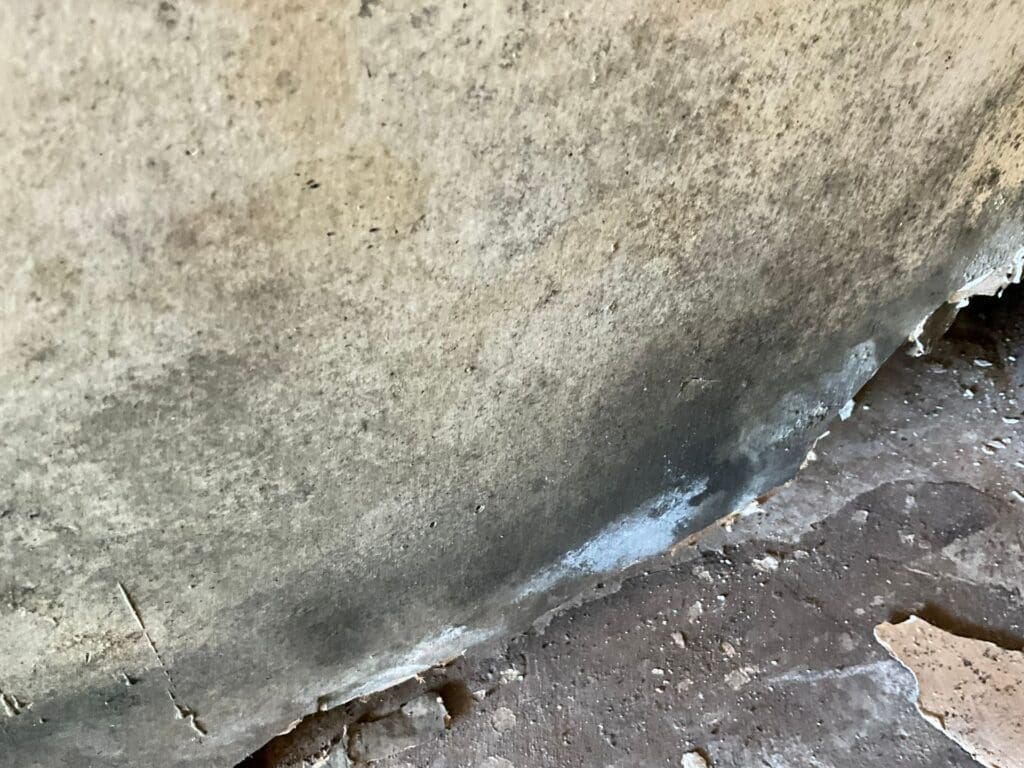
It’s January. The heat has run for weeks, and your skin feels dry. So you set a humidifier in the bedroom and let it run every night. A month later, you see black spots on the window frame. The corner behind the dresser smells musty. Did the humidifier do that?
It might have. A humidifier does not make mold out of thin air. But it adds water to your home, and mold needs water to grow. Too much moisture, or a dirty unit, can lead to mold in your rooms and in the machine itself.
A dirty humidifier can also make some people sick. This guide explains how both problems happen. It shows you how to tell if your humidifier has mold, what symptoms to watch for, and how to use one safely.
Do humidifiers cause mold?
A humidifier can cause mold in two ways.
The first is the room. Mold spores are in almost every home. They stay quiet until they find moisture. When a humidifier pushes the air past a safe level, water condenses on cool surfaces. Windows, outside walls and closet corners are common spots. Mold can start to grow there.
The second is the machine. Standing water in the tank is a good place for mold and bacteria to grow. The U.S. Consumer Product Safety Commission (CPSC) warns that bacteria and fungi often grow in the tanks of room humidifiers. They can then be released into the air in the mist.
So the honest answer is this. A clean humidifier that is set to the right level is unlikely to cause a mold problem. A dirty one, or one that runs too high, can.
Will a humidifier cause mold in my room?
It can if the room stays too damp for too long. Small, closed rooms are the biggest risk. A bedroom or home office with the door shut has little fresh air. A unit that runs all night can raise the humidity fast in a space like that.
Big, open rooms spread the moisture out. Rooms with good airflow dry out faster. That is why the same humidifier can be fine in a living room and a problem in a small bedroom.
Do cool mist humidifiers cause mold?
Cool mist units add the same amount of water to the room as other types. So they can cause room mold just as easily. But they carry one extra risk. The EPA says ultrasonic and impeller (“cool mist”) units can spread germs and minerals from the tank into the air. An ultrasonic humidifier uses fast vibrations to turn water into mist. An impeller humidifier uses a spinning disk. Neither one heats the water, so whatever grows in the tank can end up in the mist.
Where does the extra moisture go?
Water from a humidifier does not float in the air forever. It settles on the coolest surfaces nearby. Here is where it tends to end up.
- Windows and the wall below them. Water forms on cold glass and runs down. Over many mornings, it soaks the sill, paint and drywall under the window.
- Outside walls and baseboards. In winter, outside walls are colder than inside walls. The spot where the floor meets an outside wall is often the coldest of all.
- Carpet, rugs and mattresses. Mist that falls near the unit soaks into fabric. Moisture under a rug or mattress can’t dry out easily.
- Ceilings and closet corners. Cold corners with little airflow collect moisture. Closets on outside walls are a common place for a musty smell to start.
- Curtains and furniture. A unit placed close to drapes or a couch can dampen the fabric day after day.
The EPA says not to let the area around a humidifier get damp or wet. It names carpet, drapes and tablecloths as things to keep dry. If dampness shows up, the EPA says to turn the output down. If you can’t turn it down, use the humidifier less often.
Can a humidifier cause mold in carpet?
Yes. Carpet is one of the most common places for humidifier mold to start. A unit set on the floor can drip or spill when you fill it. Heavy mist can also settle on the carpet around it. The pad under the carpet holds that water, and you can’t see it. Set your humidifier on a table or stand, on a tray, and away from rugs.
Can a humidifier cause mold on walls or the ceiling?
It can. When the air is too damp, water condenses on cold walls and ceilings. You may not see drops. But paint and drywall can stay damp enough for mold to grow. Watch for gray or black specks, yellow stains, or bubbling paint. Corners near outside walls are the most likely spots.
What humidity level should you keep in winter?
Relative humidity is how much water the air holds compared to the most it could hold at that temperature. It is shown as a percent.
The EPA’s guide to mold and moisture says to keep indoor humidity below 60 percent. It says the ideal range is 30 to 50 percent. The EPA’s mold course for professionals adds that humidifiers should be set to stay under 60 percent. Above that, water is likely to condense inside the building. The EPA’s humidifier guide goes further. It says not to humidify above 50 percent.
In winter, aim for the low end of that range. Cold weather makes windows and outside walls cold. Cold surfaces collect water at a lower humidity than warm ones. A level that is fine in October can fog your windows in January.
How do you measure indoor humidity?
Buy a hygrometer. A hygrometer is a small meter that reads the humidity in a room. They are sold at most hardware stores. Put one in the room where the humidifier runs. Check it in the morning, when windows are coldest.
Don’t trust the dial on the humidifier alone. Its sensor sits right next to the mist.
Why do my windows sweat when the humidifier runs?
Window condensation is the first warning sign most people see. Warm, moist air touches cold glass. The air cools, and the extra water turns into drops.
A little fog at the bottom of the glass on a very cold morning is common. Water that runs down the glass and pools on the sill is a different story. That water soaks into wood frames, caulk and drywall. Mold often shows up there first as black or gray spots.
If your windows sweat every morning, turn the humidifier down. You can also move it away from the window or run it fewer hours. Wipe the sills dry until the problem stops.
What are the signs your humidifier is causing mold?
Watch for these clues around your home:
- Water drops or fog on the inside of windows most mornings
- Damp or stained window sills and frames
- Black, gray or green spots on caulk, sills or nearby walls
- A musty smell in the room, especially near closets or outside walls
- Peeling paint or bubbling wallpaper near the humidifier
- Wet carpet or a damp floor under the unit
- White dust on furniture near the unit
- A hygrometer reading above 50 percent for days at a time
The white dust comes from minerals in tap water. It is not mold. But it tells you the mist is landing on the surfaces around the unit. Germs from the tank can land there too.
How can you tell if your humidifier has mold?
Your humidifier can grow mold even when your room looks fine. Check the machine itself at least once a week. Here is what to look for.
- Slime or film in the tank. A slick, slippery coating means germs are growing. This coating is called biofilm. It is a thin layer of bacteria and mold stuck to a surface.
- Pink, orange, black or green spots. Look in the tank, the base and around the mist outlet. Pink or orange slime is usually bacteria. Black or green specks are often mold.
- A musty or sour smell. Clean water has no smell. If the mist or the tank smells stale, something is growing.
- A dirty wick or filter. On evaporative units, check the wick. Dark spots, a slimy feel or a bad smell mean it needs to be replaced.
- Crusty white scale. Scale is the hard layer minerals leave behind. It is not mold. But it gives germs a rough surface to cling to.
- Cloudy water. Water that turns cloudy between refills is a sign of growth.
Use a flashlight to look into corners and seams. Some tanks have parts you can’t see into easily. If you can’t get a part clean, replace it or replace the unit.
What if you find mold in your humidifier?
Turn the unit off and unplug it. Empty the water outside the bedroom, then follow the maker’s cleaning steps. If there are no steps, see the cleaning section below. Clean every part that touches water, and let it all dry fully before you use it again.
If the growth comes back fast, or you can’t reach every part, it may be time for a new unit. Also look around the room. A dirty tank often means the area around it has been getting the same mist.
Can a moldy humidifier make you sick?
Yes, it can. When you run a dirty humidifier, you breathe in the mist it makes. That mist can carry bacteria, mold and their by-products. The CPSC says breathing dirty mist may cause lung problems. These range from flu-like symptoms to serious infection.
Most people won’t get seriously ill from a humidifier. But it is worth taking seriously, because you often run one in the room where you sleep. That means hours of breathing the mist every night.
What is humidifier fever?
Humidifier fever is a short, flu-like illness. It comes from breathing mist from a contaminated humidifier. Medical research describes it as causing fever, chills, aches and a general sick feeling. A review in the medical literature covers humidifier fever and a more serious problem called humidifier lung. Symptoms of humidifier fever tend to clear up once the exposure stops.
What is humidifier lung?
Humidifier lung is a type of hypersensitivity pneumonitis. Hypersensitivity pneumonitis is swelling in the lungs caused by an immune reaction to something you breathe in. MedlinePlus, from the National Institutes of Health (NIH), says it can be caused by fungi or bacteria in humidifiers. It can also come from heating systems and air conditioners.
MedlinePlus says acute symptoms often start several hours after exposure. Acute means sudden and short-term. Common symptoms include:
- Cough
- Shortness of breath
- Fever and chills
- Feeling tired or unwell
If the exposure keeps going for months, the illness can become chronic. Chronic means it lasts a long time. Long-term swelling can harm the lungs. That is why it matters to catch the problem early.
Who is most at risk?
Some people react more than others. The EPA names these groups as most at risk from dirty humidifiers:
- Young children
- Older adults
- People with lung disease
- People with breathing allergies
The CPSC also says dirty humidifiers are a special concern for people with allergies or asthma. If someone in your home falls in one of these groups, keep the unit very clean. Talk to their doctor before you run a humidifier in their room.
What are the symptoms of mold in a humidifier?
Mold in your humidifier or your room can cause the same symptoms as other indoor mold. The CDC says people who are sensitive to mold may get:
- A stuffy nose
- Wheezing
- Red or itchy eyes
- Itchy skin
The CDC also says people with asthma or a mold allergy may have stronger reactions. Mold can irritate the eyes, nose, throat and lungs even in people who aren’t allergic.
Here is a clue many people miss. Watch for symptoms that follow the humidifier. Do you feel worse in the morning after it runs all night? Do you feel better after a few days away from home, or with the unit off? That pattern points to the humidifier or the room.
The EPA gives clear advice here. If you have breathing symptoms you think are linked to your humidifier, stop using it. Then call your doctor. Do this even if you have been cleaning it the right way.
To learn more, read what mold exposure does to your body and why you can still feel sick indoors in winter.
How do you clean a humidifier so it doesn’t grow mold?
Always start with the maker’s instructions. They know their unit best. Beyond that, federal guidance offers some simple habits.
Change the water every day
The EPA says to empty and refill portable humidifiers daily. The CPSC gives the same advice. Empty the tank before you refill it. Don’t just top it off. Old water left in the tank is where growth starts.
Clean the tank every few days
The EPA’s humidifier guide says to clean portable humidifiers every third day. Scrub off any film or crusty build-up. If the maker gives no cleaning steps, the EPA suggests wiping parts that touch water with a 3 percent hydrogen peroxide solution. That is the strength sold in most drugstores. Rinse well so no cleaner gets into the mist.
Use distilled water
Tap water has minerals in it. Over time, they form scale. Scale gives germs a place to hide. The EPA suggests water low in minerals, such as distilled water. That cuts down on scale. It also cuts down on the white dust some units spray into the room.
Dry it out before you store it
At the end of winter, clean the unit and let every part dry fully. Throw out old filters, wicks or pads. Clean it again before you use it next year.
Which type of humidifier is safer?
There are a few main types of portable units. They behave a little differently.
- Cool mist (ultrasonic and impeller): These break water into a fine mist. The EPA notes that these types can spread minerals and germs from the tank into the air. Clean water and a clean tank matter most here.
- Evaporative: A fan blows air through a wet wick or filter. These release fewer germs in the mist. But the wick itself can grow mold if it isn’t changed.
- Steam (warm mist): These boil the water first, which kills many germs. They can cause burns, so keep them away from children.
No type is mold-proof. Every one of them adds water to the room. And every one needs regular cleaning.
Is a whole-house humidifier better than a portable one?
A whole-house humidifier is built into your furnace or air handler. It adds moisture to the air as it moves through the ductwork. Many come with a control that tracks the outdoor temperature. It lowers the target humidity as it gets colder outside. That helps keep windows from sweating.
Whole-house units have some upsides. They spread moisture evenly, so one room doesn’t get soaked. You don’t carry water every day.
They also have their own risks. The water panel, or pad, can grow mold if it isn’t replaced. Most makers say to change it at least once each heating season. A clogged drain line can leak into the furnace closet. A unit set too high can push moisture into every room at once. That includes your attic and wall cavities. Have it checked during your yearly furnace service. To learn more, read whether your HVAC system is spreading mold.
Do homes in Georgia and South Carolina need a humidifier?
Many homes in our area need less help than you’d think. Our winters are mild compared to the North. Damp, rainy spells are common even in January. On those days, a humidifier may add moisture your home doesn’t need.
Our houses also hold onto moisture in other ways. Crawl spaces, older windows and a long, humid summer can leave a home damp going into winter. Adding a humidifier on top of that can tip the balance.
So check your hygrometer before you turn the humidifier on. If the room already reads above 40 percent, you may not need it that day. Read more about how humidity fuels mold growth in homes.
Where should you put a humidifier?
Placement makes a real difference.
- Keep it at least a few feet from windows, walls and curtains.
- Set it on a hard, flat surface that water can’t damage. Avoid carpet.
- Raise it off the floor a bit, on a table or stand.
- Point the mist into open air, not at furniture or bedding.
- Don’t run it in a small, closed room all night with no airflow.
- Keep it away from return air vents. A return vent pulls room air back to the furnace.
When should you test for mold?
You can wipe a few small spots off a hard window sill yourself. But some signs point to a bigger problem that you can’t see.
Think about a mold inspection if:
- A musty smell stays after you turn the humidifier off and clean the room.
- Spots keep coming back on the same wall or window frame.
- The humidifier leaked or tipped over and soaked carpet or drywall.
- Someone in the home has new or worse breathing symptoms indoors.
- You see stains or bubbling paint on an outside wall.
- The room had moisture problems or mold before you added a humidifier.
- You are buying or selling a home and the windows show water damage.
Mold can grow inside walls and under carpet where you can’t see it. A professional mold inspection looks for both moisture and mold. An inspector may use moisture readings and thermal imaging. Thermal imaging uses an infrared camera to find cool, damp areas behind surfaces. They may also take air and surface samples. The samples go to a lab, and the report tells you what is growing and where. You can read more about what happens during a mold assessment.
If the main worry is how the air feels, indoor air quality testing can look at more than mold. It can check things like particulates and humidity. Particulates are tiny bits of dust and other matter floating in the air.
EnviroPro 360 tests and reports. We do not do mold remediation, so we have no reason to find a problem that isn’t there. Remediation is the work of removing mold and fixing the cause. If you’re curious about other hidden winter moisture, read Can Cold Weather Hide a Mold Problem? If your home smells stale when the furnace runs, see My House Smells Musty When the Heat’s On.
Frequently asked questions
Can sleeping with a humidifier make you sick?
A clean humidifier set to the right level is safe for most people. A dirty one can make you sick, because you breathe its mist for hours while you sleep. Change the water daily and keep the room at 50 percent or lower. If you wake up stuffy, coughing or wheezing, turn it off and see if you feel better.
Can a humidifier make you sick if it isn’t moldy?
Bacteria can grow in the tank before you see any mold. Tap water minerals can also end up in the air as white dust. The EPA says the health effects of those minerals are not fully understood. Using distilled water and cleaning on a schedule lowers both risks.
Are mineral deposits in a humidifier dangerous?
Scale and white dust are mostly minerals, not germs. The bigger issue is that scale gives germs a place to hide. Clean it off when you clean the tank. Switch to distilled water to stop it from building up.
How long does it take for mold to grow in a humidifier?
It depends on the water, the room and the unit. Standing water starts to grow germs quickly, which is why the EPA says to change it daily. Do not wait until you see slime. By then, growth is already under way.
Your next steps
- Get a hygrometer. Keep the room between 30 and 50 percent, and closer to 30 to 40 percent on the coldest nights.
- Check and clean your humidifier on a schedule. Change the water daily, clean the tank every third day, and use distilled water. Look for slime, spots or a musty smell each time.
- Check your windows, walls and carpet each morning. If you see water, stains or spots that keep coming back, or you smell something musty, set up a mold inspection.
EnviroPro 360 provides mold inspection and mold testing for homes and businesses in Augusta and nearby towns in Georgia and South Carolina. If you have questions about your humidifier, window condensation or a musty smell, the EnviroPro 360 team is happy to help. Reach out any time.