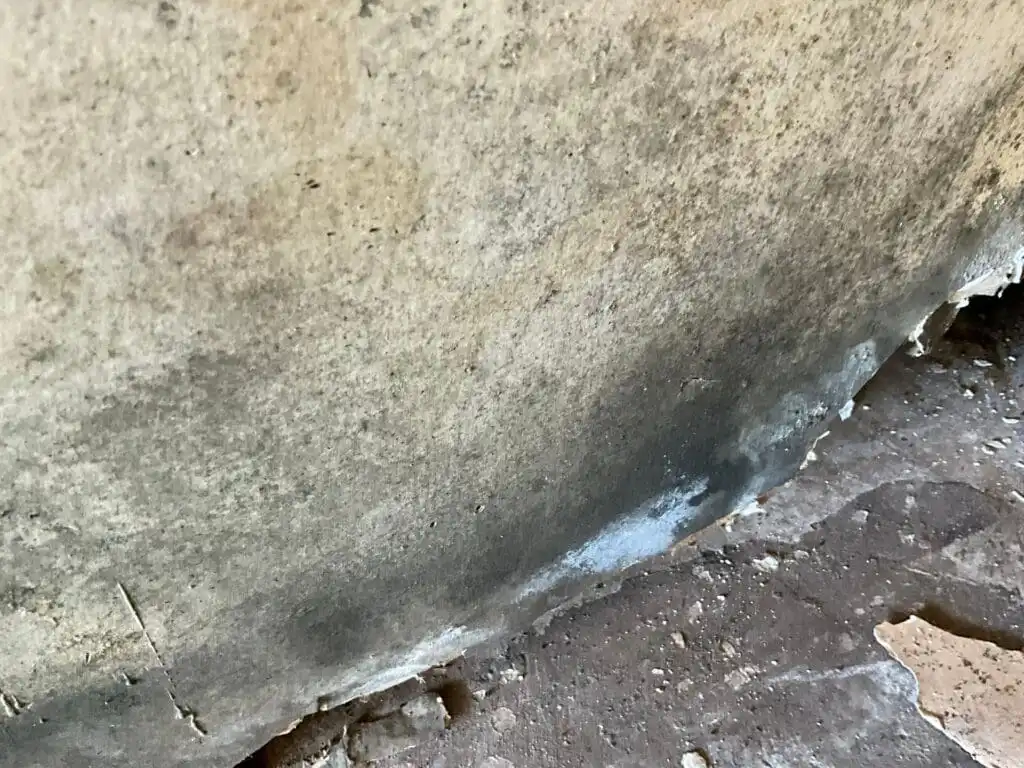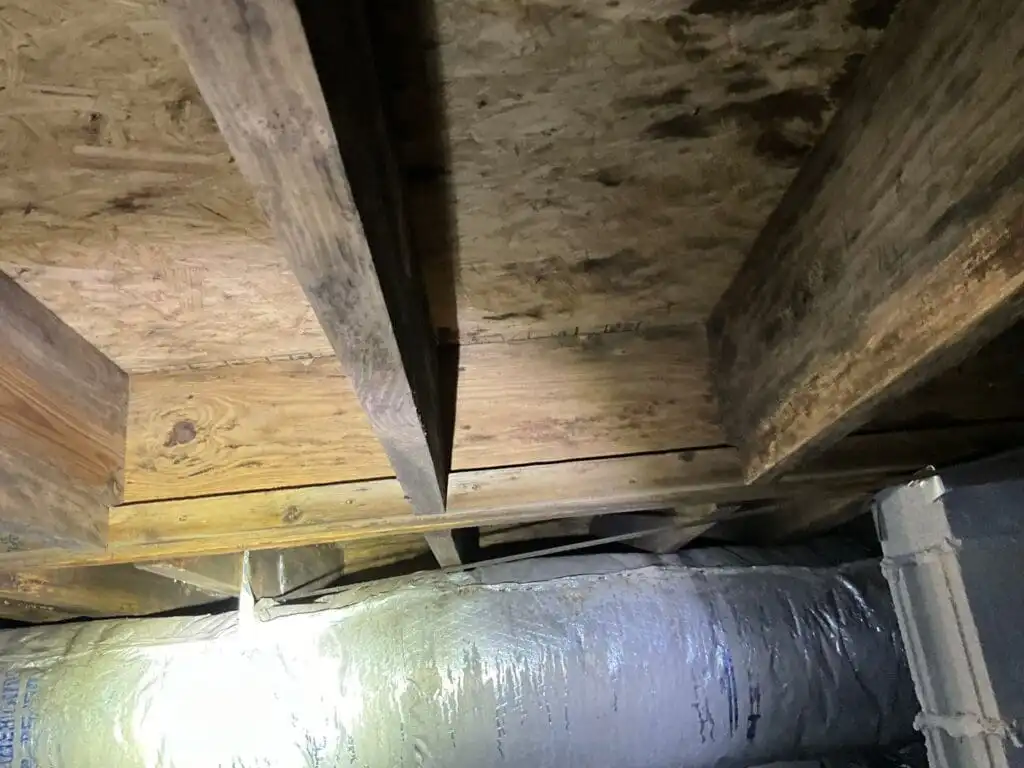
Here’s an example scenario: a family in Augusta moves into a rental home and within weeks, three of the four family members develop persistent coughs. The pediatrician suspects allergies. Allergy medication helps a little, but the coughs come back every evening. Months later, someone pulls back a piece of baseboard trim and finds a colony of mold spreading behind the drywall. That pattern plays out in homes across the CSRA more often than most people realize, especially in our humid subtropical climate where indoor moisture problems are practically a given.
Understanding what mold actually does inside your body helps you make better decisions about your home and your health. This is not about panic. It is about knowing the facts so you can act.
How Mold Gets Into Your Body
Mold reproduces by releasing microscopic spores into the air. These spores are small enough to be inhaled deep into your lungs. You can also come into contact with mold through skin or by ingesting it on contaminated food.
In Augusta and the broader CSRA region, the combination of high humidity, warm temperatures, and older housing stock with crawl spaces creates ideal conditions for mold growth. Moisture intrusion from heavy spring rains, condensation on poorly insulated ductwork, and standing water in crawl spaces over red clay soil all feed the problem.
Once airborne spores enter your respiratory system, several things can happen depending on the type of mold, the concentration, and your individual health profile.
Respiratory Effects
The most common health effects from mold exposure involve the respiratory system. According to the CDC’s guidance on mold and health, mold exposure can cause nasal stuffiness, throat irritation, coughing, wheezing, and eye irritation. For people with existing respiratory conditions like asthma or COPD (chronic obstructive pulmonary disease, a group of lung diseases that block airflow), mold exposure can trigger serious flare-ups.
The mechanism is straightforward. Your airways react to inhaled mold spores the same way they react to other irritants. The tissues lining your nose, throat, and lungs become inflamed. This inflammation causes swelling, increased mucus production, and constriction of the airways. The result is the coughing, wheezing, and congestion that many mold-exposed individuals report.
Asthma and Mold
The connection between mold and asthma is well established. The EPA states that mold exposure can cause asthma attacks in people who already have asthma and are allergic to mold. Some research also suggests that early mold exposure in children may contribute to the development of asthma, though the science on that is still evolving.
In the Augusta area, where summer humidity regularly pushes above 80%, homes without adequate dehumidification and ventilation can sustain mold growth for months before anyone notices it. During that time, occupants are breathing mold spores continuously.
Allergic Reactions
Mold is one of the most common indoor allergens. Your immune system can treat mold spores as foreign invaders and mount an allergic response. Symptoms include:
- Sneezing and runny nose
- Red, itchy, or watery eyes
- Skin rashes or hives
- Sinus congestion and post-nasal drip
These symptoms often mimic seasonal allergies, which is why mold exposure frequently goes undiagnosed. If your “allergies” get worse when you are inside your home and improve when you leave, indoor mold should be on your list of suspects.
Some people develop allergic fungal sinusitis, a condition where mold triggers chronic inflammation in the sinuses. This can lead to thick nasal discharge, facial pain, and in severe cases, nasal polyps (small growths in the nasal passages that obstruct airflow).
Hypersensitivity Pneumonitis
A less common but more serious allergic response to mold is hypersensitivity pneumonitis (HP), an inflammation of the lung tissue caused by repeated inhalation of organic particles including mold spores. HP can cause fever, chills, shortness of breath, and muscle aches. Chronic exposure can lead to permanent lung scarring. The CDC notes that this condition is more likely in occupational settings with heavy mold exposure, but it can occur in residential settings with severe, prolonged contamination.
Who Is Most Vulnerable
Not everyone reacts to mold the same way. Certain groups face significantly higher risks:
Children and Infants
Children breathe more air relative to their body weight than adults do, which means they inhale a proportionally higher dose of mold spores. Their immune and respiratory systems are still developing, making them more susceptible to the inflammatory effects of mold exposure.
Elderly Individuals
Aging weakens the immune system and often comes with existing respiratory conditions. Older adults living in older homes face a double risk: their homes are more likely to have moisture problems, and their bodies are less able to handle the exposure.
People With Compromised Immune Systems
Individuals undergoing chemotherapy, organ transplant recipients on immunosuppressive drugs, and people living with HIV/AIDS face the most serious risks from mold exposure. For these individuals, certain mold species can cause invasive infections where the mold actually colonizes lung tissue or other organs. This is rare in healthy people but can be life-threatening for immunocompromised individuals.
People With Existing Respiratory Conditions
If you have asthma, COPD, cystic fibrosis, or other chronic lung conditions, mold exposure will likely worsen your symptoms. The EPA recommends that people with respiratory conditions or immune suppression avoid areas where mold is present.
The “Black Mold” Question
Few topics in indoor air quality generate more fear than Stachybotrys chartarum, commonly called “black mold” or “toxic black mold.” Here is what you need to know to separate fact from exaggeration.
Stachybotrys is a real mold species that grows on materials with high cellulose content like drywall paper, ceiling tiles, and wood when exposed to persistent moisture. It can produce mycotoxins (toxic compounds produced by certain fungi). Some studies have linked high-level mycotoxin exposure to neurological symptoms, fatigue, and other systemic effects, though the scientific evidence for these claims in residential settings remains limited and debated.
What the CDC actually says: all molds should be treated the same from a health perspective. The CDC’s position is that you do not need to identify the specific species of mold growing in your home before taking action. All mold growth indoors should be addressed regardless of the type.
What This Means for You
The color of mold tells you very little. Many mold species appear black or dark green. Some dangerous molds are white or gray. Instead of fixating on whether you have “the” black mold, focus on two things: the extent of the contamination and the moisture source feeding it.
A small patch of mold on a bathroom ceiling from poor ventilation is a different situation than widespread mold behind walls from a chronic leak. Both should be addressed, but the urgency and the approach differ.
When to Get Professional Testing
You should consider professional mold testing if:
- You smell a persistent musty odor but cannot find visible mold
- You or family members have unexplained respiratory symptoms that improve away from home
- You have discovered water damage or moisture intrusion and want to know if mold has developed
- You are buying or selling a home with a history of water problems
- You have completed mold remediation and want to verify the work was effective
Air sampling and surface sampling by a qualified professional can identify the types and concentrations of mold present, giving you concrete data to work with rather than guesswork.
Three Steps to Take Right Now
-
Check your home’s humidity levels. Buy a hygrometer (a device that measures relative humidity) for under $15. Your indoor humidity should stay between 30% and 50%. In Augusta’s climate, you will almost certainly need a dehumidifier in crawl spaces and basements during spring and summer months.
-
Investigate any water intrusion. Look under sinks, around windows, in crawl spaces, and behind appliances that use water. A moisture meter can help identify damp areas behind walls. Fix leaks within 24 to 48 hours. Mold can begin growing on wet surfaces in as little as 24 hours.
-
Get professional testing if you suspect a problem. Visual inspection alone cannot tell you the full picture, especially when mold is growing in wall cavities, HVAC ductwork, or beneath flooring.
If you are dealing with persistent moisture issues or unexplained health symptoms in your Augusta or CSRA area home, professional mold testing can give you the answers you need. Contact EnviroPro 360 to discuss your situation and find out what testing makes sense for your home.