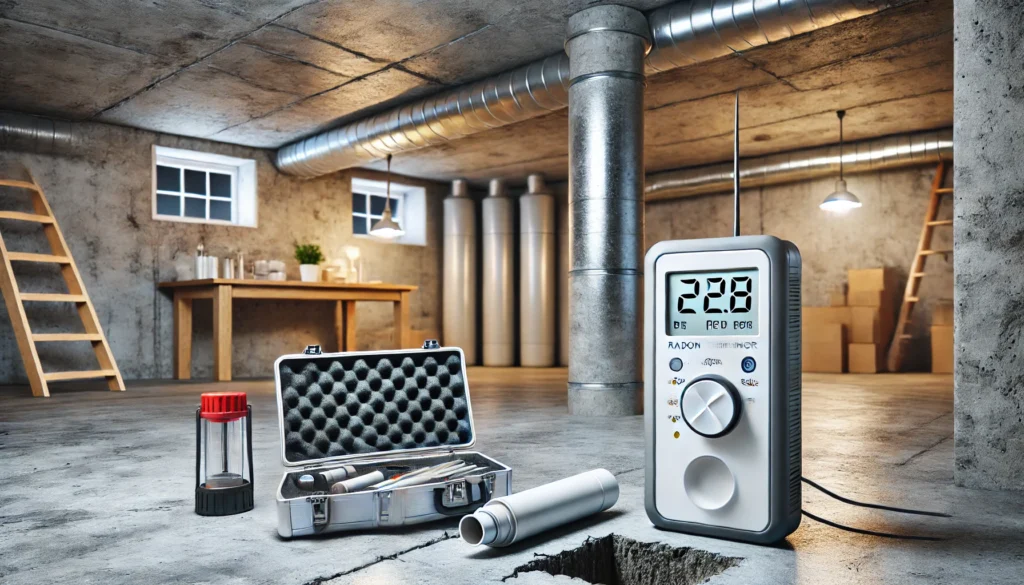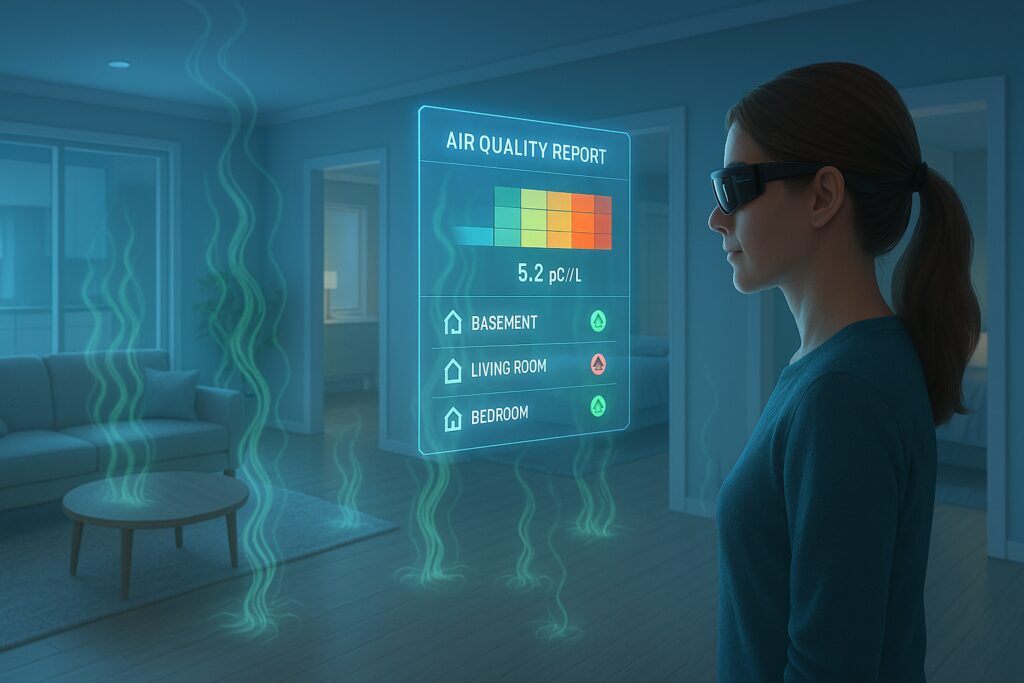
If you are Googling “radon mitigation cost Augusta GA,” you are probably in one of two situations:
- You already got a radon test result and it came back higher than you expected
- You are being proactive and want to know what you might be facing if radon is elevated
Either way, here is the most important detail: mitigation costs only make sense after you know your radon level. Radon mitigation is not a one price fits all service. The right system depends on your home’s foundation, airflow, and how radon is entering the structure.
EnviroPro 360 can help you start the process the right way by providing radon testing and clear interpretation. If mitigation is needed, you can then hire a qualified mitigation contractor with confidence, and use follow up testing to confirm results.
What Is Radon And Why It Matters In Homes
Radon is a naturally occurring radioactive gas that comes from the breakdown of uranium in soil and rock. It is colorless and odorless, which is why testing is the only way to know your level. The Centers for Disease Control and Prevention identifies radon as the second leading cause of lung cancer in the United States, responsible for approximately 21,000 deaths annually.
Radon can enter through:
- Cracks in foundations and slabs
- Construction joints
- Gaps around pipes and sump pits
- Crawl spaces and unfinished areas
In the CSRA, radon risk can vary from neighborhood to neighborhood. The only way to know what is happening in your home is to test your home.
Do You Need Mitigation Or Just Testing?
A lot of people jump straight to cost questions before they even have a verified radon result. This leads to confusion and sometimes unnecessary expense.
The most sensible order is:
- Test for radon
- Review and interpret results
- Mitigate only if needed
- Retest to confirm the fix worked
EnviroPro 360 focuses on steps 1, 2, and 4. We test, explain what the results mean, and help you confirm success after mitigation.
What Radon Mitigation Typically Costs In Augusta GA
Radon mitigation costs vary, but in most homes the price is influenced by the system design and complexity. Many mitigation contractors price based on the work required to safely vent radon gases out and away from the home.
Instead of locking in a number here, the most helpful thing is to understand what drives pricing so you know what is reasonable.
What Affects Radon Mitigation Cost
Foundation Type
Your foundation is one of the biggest price factors.
- Slab on grade homes often use sub slab depressurization with piping and a fan
- Crawl space homes may use a crawl space depressurization approach with sealing and venting
- Basements can require different routing depending on layout and finished areas
The more complex the foundation structure, the more planning and labor may be involved.
Home Size And Layout
A larger footprint or complicated layout may require:
- Longer pipe runs
- More careful routing to keep the system effective and discreet
- Multiple suction points in some cases
Where The Fan And Vent Pipe Can Be Installed
Mitigation systems must vent properly and safely. Some homes have easy routes through a garage or unfinished space. Others require routing through finished walls or tighter attic areas.
Factors that can increase complexity:
- Finished basements
- Tight attic access
- Multi story homes with limited chase space
- HOA restrictions on exterior vent visibility
Existing Moisture Or Crawl Space Issues
If a crawl space is wet, musty, or poorly sealed, it can affect radon entry and mitigation strategy. Some contractors may recommend additional sealing or moisture control work.
Electrical Access
Most radon systems require power for the fan. If electrical access is far from the ideal fan location, additional work may be required.
How To Avoid Overpaying For Mitigation
Here are practical tips homeowners can use:
- Test first, then quote. Do not price mitigation before confirming radon levels.
- Ask what method is being used and why. A good contractor can explain the strategy clearly.
- Request a clear scope of work. You should understand where piping and the fan will go.
- Be cautious of fear based upsells. Some add ons may be useful, but they should be justified.
- Plan to retest after mitigation. This confirms the system is doing what you paid for.
What EnviroPro 360 Does In The Radon Process
EnviroPro 360 is your starting point for clear answers.
We provide:
Radon Testing
We test your home to determine if radon levels are elevated and whether mitigation should be considered.
Interpretation And Guidance
We explain your results in plain language and help you understand what the next step should be.
Post Mitigation Retesting
After you hire a radon mitigation contractor, retesting is how you confirm the system worked. This is an important step for verification, documentation, and property records.
This approach keeps the process clean and practical: test, understand, act, confirm.
When To Test For Radon In Augusta GA
Testing is smart when:
- You are buying or selling a home
- You have never tested and the home is older or has a crawl space or basement
- You recently renovated or changed HVAC or sealing
- You spend time in lower levels of the home
- You want clarity before investing in mitigation
If you are asking about mitigation costs, that is usually a sign it is time to schedule the test.
Ready To Get Clear Answers Before You Hire A Contractor?
Radon mitigation costs can vary, but the decision should always start with reliable testing and clear interpretation.
EnviroPro 360 helps homeowners across Augusta, Evans, Martinez, Grovetown, North Augusta, Aiken, and the CSRA take the right first step.
Contact EnviroPro 360 to schedule radon testing and get results you can trust. If mitigation is needed, we will help you understand your report so you can hire the right contractor and retest afterward with confidence.