EnviroPro 360 Blog

Explore the EnviroPro 360 Blog for expert insights on environmental testing in Georgia and South Carolina, from mold to radon and beyond.

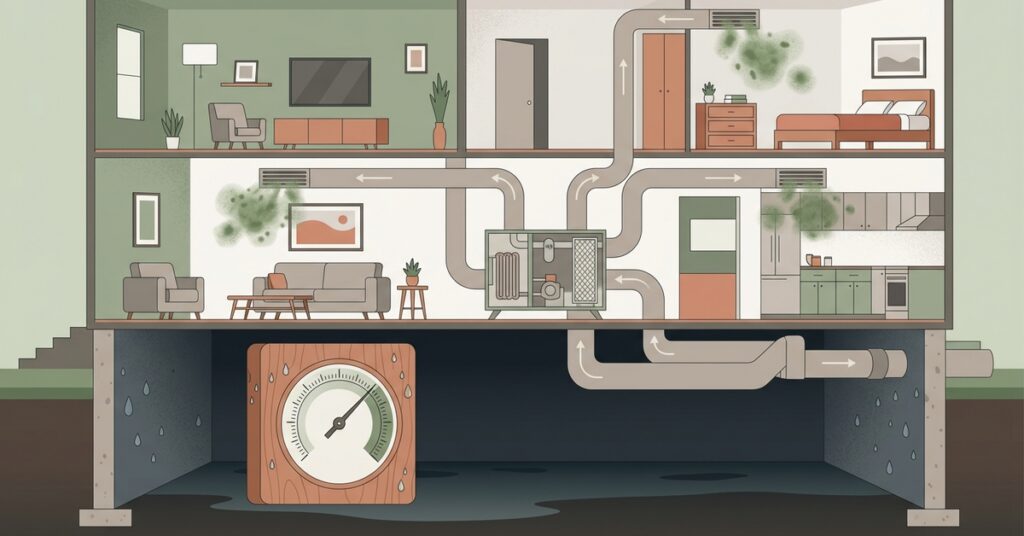
Mold Behind the Walls: When Visible Symptoms Mean Hidden Damage

Mold Behind the Walls: When Visible Symptoms Mean Hidden Damage

Here’s an example scenario: a family in Grovetown noticed a persistent musty odor in their master bedroom. Everything looked fine. No staining on the walls, no visible growth, no obvious water damage. The homeowner had opened windows, run dehumidifiers, replaced HVAC filters, and bought an air purifier. The smell persisted. A moisture investigation revealed elevated

Mold Behind the Walls: When Visible Symptoms Mean Hidden Damage Read More »
Slab Leaks: Spotting Water Moving Under Your Foundation Before It Cracks

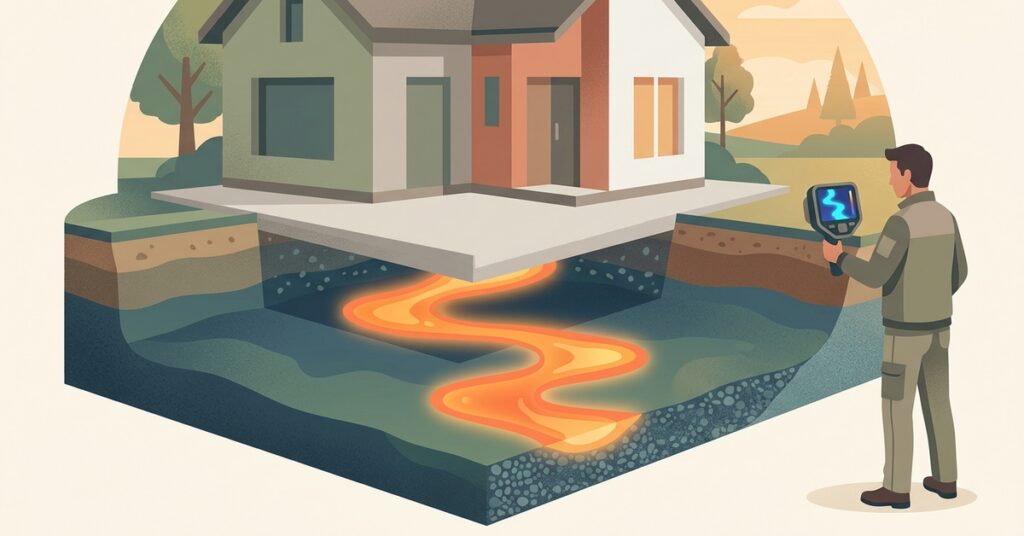
Slab Leaks: Spotting Water Moving Under Your Foundation Before It Cracks

Here’s an example scenario: a homeowner in Martinez noticed her water bill had crept up significantly over a span of three months. She had not changed her habits, had no visible leaks anywhere in the house, and her utility company could not find anything unusual at the meter. After calling two plumbers who suggested “maybe

Slab Leaks: Spotting Water Moving Under Your Foundation Before It Cracks Read More »

What a Commercial Asbestos Abatement Project Actually Involves

What a Commercial Asbestos Abatement Project Actually Involves

Here’s an example scenario: a property owner in downtown Augusta bought a 1958 office building as an investment and planned a nine-month renovation to convert the interior to mixed-use tenant space. The initial renovation budget assumed an asbestos survey would confirm the suspected ACM (asbestos-containing material) was limited to a small amount of floor tile

What a Commercial Asbestos Abatement Project Actually Involves Read More »

Slab, Basement, or Crawl Space: Does Your Foundation Type Change Your Radon Risk?

Slab, Basement, or Crawl Space: Does Your Foundation Type Change Your Radon Risk?

Here’s an example scenario: a homeowner in the Aiken area was convinced her slab-on-grade ranch could not have a radon problem. “I don’t have a basement,” she reasoned. “I thought radon was a basement issue.” She had skipped testing when she bought the home three years earlier based on that same assumption. Her short-term test

Slab, Basement, or Crawl Space: Does Your Foundation Type Change Your Radon Risk? Read More »

Indoor Air Quality in Schools: What Parents and Administrators Should Be Asking

Indoor Air Quality in Schools: What Parents and Administrators Should Be Asking

Consider this scenario: a middle school principal in Columbia County noticed an unusual pattern. Three staff members in the same wing of the building had been out on extended sick leave with respiratory issues in the same semester. Student absenteeism in one specific cluster of classrooms was also running higher than the rest of the

Indoor Air Quality in Schools: What Parents and Administrators Should Be Asking Read More »

After the Flood: When Water Damage Turns Into a Mold Problem

After the Flood: When Water Damage Turns Into a Mold Problem

Here’s an example scenario: a family in North Augusta came home from vacation to a burst washing machine supply line. Water had been running for about four days before they walked through the door. Restoration crews arrived within six hours. Fans and dehumidifiers ran for the next three weeks. The visible water was gone, the

After the Flood: When Water Damage Turns Into a Mold Problem Read More »

Why Dialysis Clinics Face Heightened Legionella Risk

Why Dialysis Clinics Face Heightened Legionella Risk

In 2017, the CDC published a study of hospital-onset Legionnaires’ disease showing that 76% of cases in acute care settings were linked to the facility’s water system. What the headline number did not capture was the population hit hardest: patients with chronic conditions that compromise immune response and lung function. Patients on dialysis rank near

Why Dialysis Clinics Face Heightened Legionella Risk Read More »

Lead in the Soil: The Exposure Path Most Homeowners Never Consider

Lead in the Soil: The Exposure Path Most Homeowners Never Consider

Here’s an example scenario: a pediatrician in Richmond County orders blood lead testing for a two-year-old whose parents had done everything right. Their older home had been professionally deleaded before they moved in. Every interior surface was covered with encapsulated or replaced paint. They tested the water. They bought a HEPA vacuum. The test result

Lead in the Soil: The Exposure Path Most Homeowners Never Consider Read More »

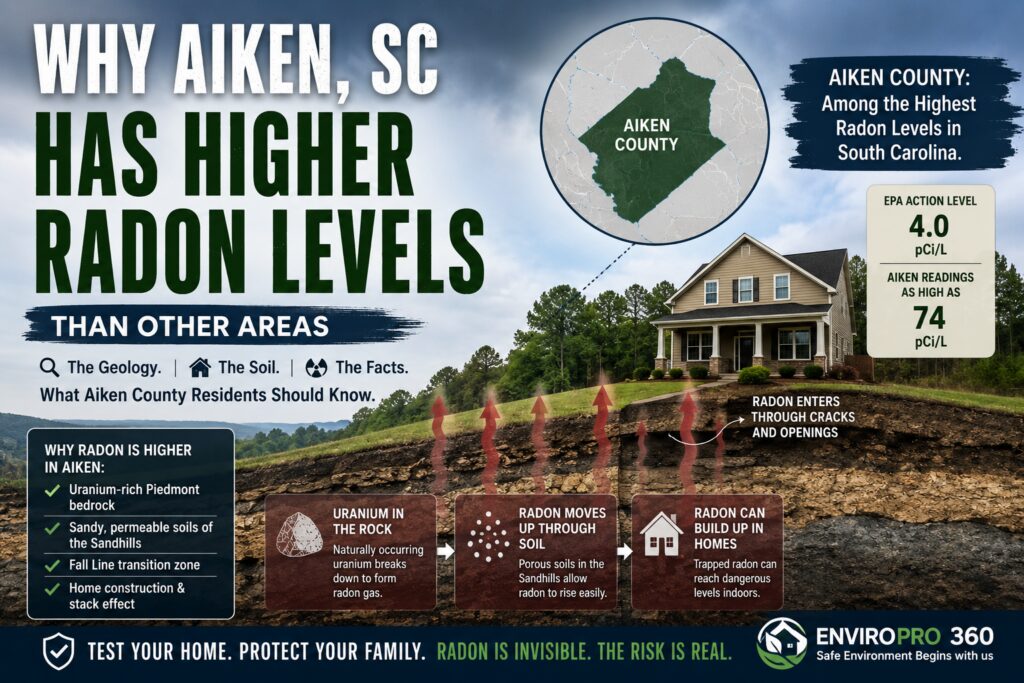
high radon levels

Why Do Some Areas Have Higher Radon Levels? Geology in Georgia and South Carolina

If you live in Aiken County, you have likely heard radon come up during a home inspection, seen it mentioned in a local news investigation, or noticed that Aiken keeps appearing on elevated radon lists across South Carolina. The question that follows is a reasonable one: why does Aiken seem to have consistently higher radon

Why Do Some Areas Have Higher Radon Levels? Geology in Georgia and South Carolina Read More »

Scroll to Top